Personalized Medical Care & Dedicated International Patient Concierge

Injectables & Petit Procedures · Consultation Required
Dermal Fillers
Dermal fillers in Seoul are injectable materials placed beneath the skin to add volume to a chosen area or to change the way its contour sits.
Schedule a ConsultationDermal Fillers in Seoul, Republic of Korea

Medically reviewed by Dr. Eun-Young Kwak, MD, graduate of Yonsei University College of Medicine Golden Balance Clinic, Gangnam-gu, Seoul
Dermal fillers in Seoul are injectable materials placed beneath the skin to add volume to a chosen area or to change the way its contour sits. Materials differ from one another in how they behave, how long they persist and what they are intended for, so the product chosen is part of the treatment decision rather than an afterthought. The volume arrives at the moment of injection, which is what separates this category from treatments that work gradually.
What Is Dermal Filler Treatment?
Dermal filler treatment is the placement of an injectable material into selected tissue in order to add volume or alter the contour of that area.
Volume appears immediately, folds may look smoother, and contour can be adjusted; the clinic also records minimal downtime and a plan that can be shaped around individual goals.
An appointment generally runs twenty to forty minutes, and one visit is recorded as the requirement.
Some filler products contain a local anesthetic; that is the pain control the clinic records here.
Equipment is unremarkable by design: a properly labelled, sealed product supplied for professional use, a sterile needle or cannula, cleansing materials and safe sharps disposal.
The treatment is one of the Injectables & Petit Procedures offered at the clinic in Gangnam-gu.
Two products described by the same word can behave very differently once they are under the skin, and the reason is chemistry rather than marketing. A review in the journal Polymers explains that hyaluronic acid products fall into biphasic and monophasic types according to how they are manufactured, that monophasic gels undergo more extensive chemical cross-linking and so resist enzymatic breakdown better, and that biphasic gels rely more on natural molecular entanglement and show greater elasticity. The authors argue that residual cross-linking agents must be thoroughly removed for a product to be safe, and that understanding these properties is how a clinician matches a product to an injection site and a tissue condition.
Regulators approach the same category from the patient's side of the needle. The United States Food and Drug Administration tells people considering these injections to work with a licensed health care provider experienced in dermatology or plastic surgery who is knowledgeable about fillers, anatomy and the management of complications, to request and read the patient labelling for the product, and to know where each product is to be placed. It also warns against buying filler sold directly to the public, against self-injection, and against needle-free injection pens, on the grounds that such devices do not give enough control over where the material ends up.
Who Performs Dermal Fillers at Golden Balance Clinic

Dr. Eun-Young Kwak
Plastic Surgery/Petit Center Doctor
Responsibility for the clinic's injectable treatments rests with one doctor, named in the byline above.
Choosing a product, a plane and a quantity for one face is a design problem as much as a medical one, and it is the problem Dr. Eun-Young Kwak spends her working day on.
Dr. Eun-Young Kwak is a Director and the doctor who leads the clinic's plastic surgery and petit centre. She graduated from Yonsei University College of Medicine. She is a member of the Korean Academy of Women's Aesthetic Medicine, the Korean Aesthetic Wellbeing Society, the Korean Society for Obesity and Plastic Surgery, and the Korean Society of Anti-Aging Medicine, and she previously served as a director of I-Love Petit Clinic and of Petit Queen Clinic.
What the clinic says should happen at a consultation is specific: your goals, your medical and allergy history, your medications, any previous filler procedures and any relevant symptoms are discussed, the intended area is examined, and the proposed product, the location, the expected outcome, the limitations, the alternatives, the possible complications and the aftercare are all explained before anything is agreed.
Who Is a Good Candidate for Dermal Fillers?
Adults whose intended treatment area, anatomy and medical history a clinician has assessed alongside the properties of the material proposed.
People with realistic expectations who understand the potential complications and are able to give informed consent.
Treatment may be unsuitable where there is an active infection or inflammation in the intended area.
A known allergy to the filler or any of its ingredients rules out that product.
Certain bleeding disorders, and a history of severe allergic reactions, call for individual assessment before anything is planned.
What to Expect: Procedure, Recovery, and Results Timeline
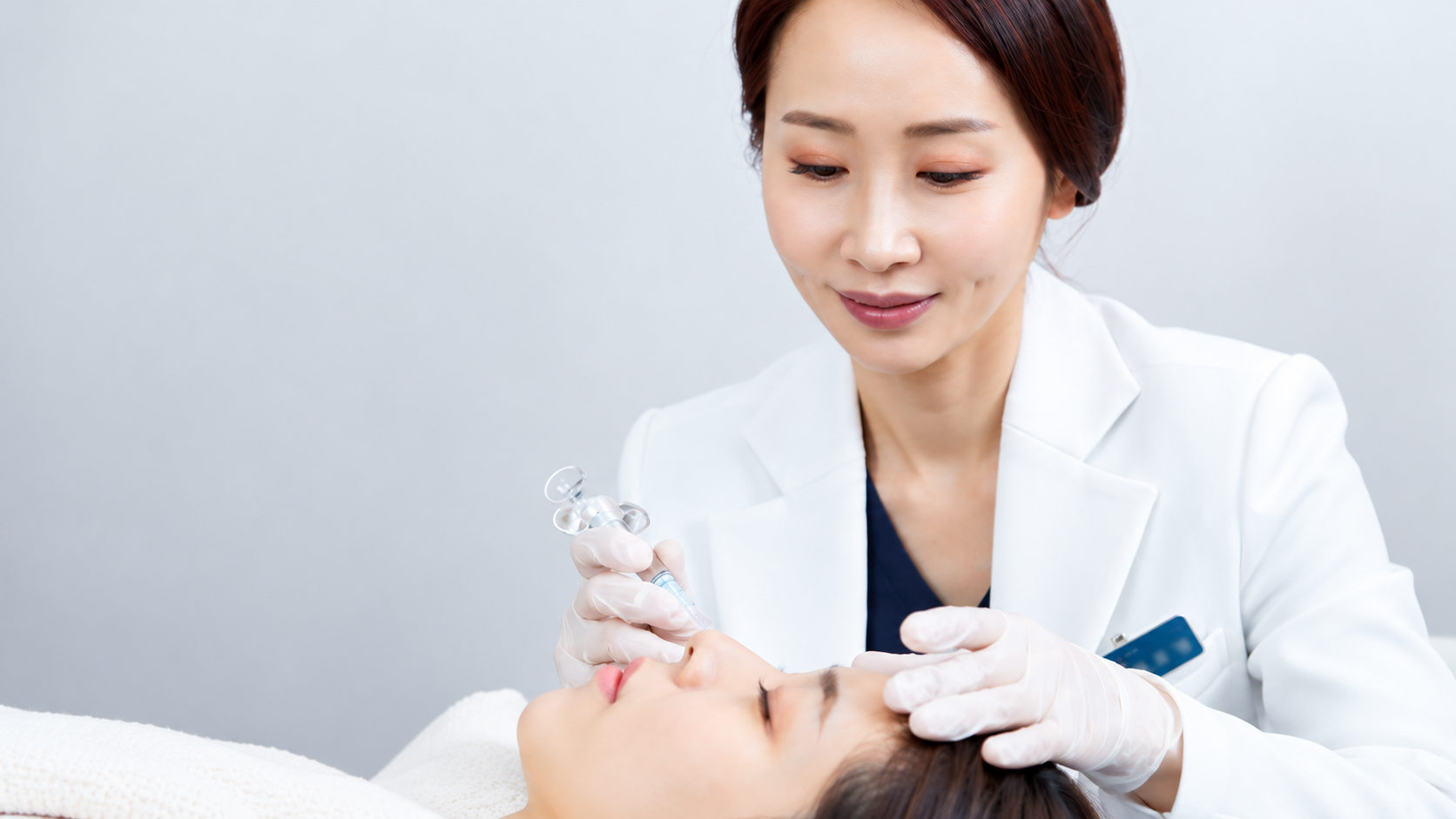
Preparation is a matter of disclosure rather than restriction. The clinician needs to know about allergies, medical conditions, bleeding problems, every current medicine and supplement, previous filler procedures and any active infection or inflammation. The clinic also suggests avoiding alcohol for the twenty-four hours before treatment as a cautious measure, and asking whether any of your supplements or medicines could make bruising more likely. Prescribed medication is never stopped on your own initiative.
The appointment itself follows a short sequence. Medical history and consent are reviewed, the treatment area is assessed, an appropriate product and quantity are selected, the skin or treatment area is prepared, and the material is placed using suitable sterile injection equipment. Most people report brief stinging, pressure or discomfort during injection, which varies with the area, the technique and individual sensitivity.
Stage | What the clinic records |
|---|---|
Procedure time | Approximately 20 to 40 minutes |
Visits required | One |
Pain control | Local anesthetic, which some filler products contain |
Swelling and bruising | Generally subside within 1 to 3 days |
Results visible | Immediately, or within 10 days as swelling settles |
Final result | Often after 2 to 3 weeks |
Stay in Korea | Approximately 1 to 3 days |
Flying home | Generally 1 to 3 days afterwards, if you feel well |
Aftercare is governed by the written instructions you are given rather than by anything general. Contact the clinic if symptoms worsen or something unexpected changes. Severe or unusual pain, skin discoloration and rapidly worsening swelling are the signs that warrant prompt attention rather than patience.
The honest account of the result is that volume appears at once, folds may be smoothed and contour may be improved, with downtime kept short. The clinic's own wording goes no further than describing injectable materials that may add volume in selected treatment areas, depending on the product and the indication.
Reported effects begin with pain, tenderness, swelling, bruising, redness, itching and lumps at the treated area. Beyond those lie infection, inflammatory reactions, nodules, allergic reactions and tissue damage. A regulator's catalogue of the same category adds detail a clinic's summary cannot: the Food and Drug Administration lists raised bumps under the skin that may need injections, oral antibiotics or surgical removal, inflammation developing near an injection site after a viral or bacterial illness, a vaccination or a dental procedure, and notes that some effects emerge weeks, months or even years after the injection rather than in the first week.
One complication deserves separate attention because its treatment is timed in hours. A systematic review published in the journal Oral examined ninety-one studies of vascular complications after facial filler injection and found that most reported events involved hyaluronic acid products, which had more favourable outcomes because hyaluronidase can reverse them. Cutaneous ischaemia was the most frequent presentation and generally resolved with early high-dose hyaluronidase, while ocular and neurological events were less common but frequently left permanent deficits. The authors describe the whole picture as a time-critical emergency in which early treatment improves skin outcomes, and identify ultrasound-assisted techniques as promising for both prevention and targeted management. For a patient, the practical consequence is simple: a sudden change in vision, unusual pain, or skin turning white, grey or blue near the injection site is an immediate call, not a wait-and-see.
Combining Dermal Fillers with Other Treatments
The clinic records that filler is often combined with botulinum toxin injection or with lifting treatments, since the two address different parts of the same complaint.
The alternatives the clinic lists for the same concerns are botulinum toxin, thread treatments, lifting devices and surgery.
The Food and Drug Administration notes that the safe use of fillers in combination with botulinum toxin products and other treatments has not been evaluated in clinical studies, which is a reason to ask about sequencing and timing rather than to assume it.
Safety, Precision, and Clinic Standards
On its own standards, the clinic is quoted below rather than summarised.
The clinic states its philosophy as: "We are committed to personalized 1:1 treatment plans tailored to each patient's condition and prioritize safety above all else in every procedure."
The clinic states that it carries out individualized pre-procedure consultations, limits surgeries to two per day, installs CCTV in all surgery and procedure rooms, and avoids unnecessary over-treatment.
Golden Balance Clinic is registered as a Medical Institution for Attracting Foreign Patients with the Republic of Korea's Ministry of Health and Welfare, under the Medical Overseas Expansion and Foreign Patients Attraction Act. That is a registration for treating international patients; it is not a facility accreditation.
English-language support is available through designated marketing, consultation, and global coordination staff, and the clinic names Scarlett Kim as its global coordinator, available from 10:00 to 20:00 KST.
Golden Balance Clinic is on the 12th floor of the Chunglim Building at 468 Gangnam-daero, Gangnam-gu, Seoul 06123, Republic of Korea. The clinic is open Monday to Sunday from 10:00 to 21:00 KST year-round, with a lunch break from 11:30 to 12:30 KST and last registration at 19:00 KST.
The Bottom Line
Material is injected under the skin to add volume or change contour, and the volume is there as soon as the injection is finished.
An appointment runs roughly twenty to forty minutes over a single visit, with a local anesthetic contained in some products.
Swelling and bruising generally settle within one to three days; the result is visible immediately or within ten days and often final after two to three weeks.
Reported problems range from tenderness and lumps to infection, nodules, allergic reactions and tissue damage.
Injection into a blood vessel is the rare complication that is treated as an emergency, and sudden vision change or skin discoloration near the site needs immediate help.
Frequently Asked Questions
Will I see a difference the same day?
Yes, at least in part. Volume appears as the material is placed, and the clinic records results as visible immediately or within ten days as swelling settles. The appearance often becomes final after two to three weeks, so judging the outcome on the first evening is premature.
How uncomfortable is it?
Expect brief stinging, pressure or discomfort during the injections. How much you feel depends on the area treated, the technique used and your own sensitivity. Some filler products contain a local anesthetic, and the clinic records that as the pain control for this treatment.
What should I avoid in the days beforehand?
The clinic suggests avoiding alcohol for twenty-four hours before treatment as a cautious measure. Ask your clinician whether any supplement or medicine you take could increase bruising, and disclose allergies, medical conditions, previous filler treatments and all medications. Do not stop prescribed medicine without speaking to whoever prescribed it.
When should treatment be postponed?
When there is an active infection or inflammation in the area to be injected. A known allergy to the product or its ingredients, certain bleeding disorders and a history of severe allergic reactions also need resolving before anything proceeds.
How long should I be in Korea?
A straightforward appointment generally fits into one to three days, and most people can fly home within that window provided they feel well and have had no concerning reaction. Confirm with the clinic whether follow-up is wanted before you book the return leg.
What symptoms mean I should seek help rather than wait?
Severe or unusual pain, skin discoloration, rapidly worsening swelling, or any sudden change in vision. These are the signs associated with filler entering a blood vessel, and the published evidence treats that as a time-critical emergency. Seek medical assessment straight away rather than contacting the clinic first if you are already home.
I have lumps or unevenness from a previous filler treatment. Can it be assessed?
The clinic's record keeps the door open to evaluating patients who report lumps, asymmetry, migration or uneven contours after earlier injections. What can be done depends on which material was used and when, so bring any documentation you have.
Book a Consultation at Golden Balance Clinic
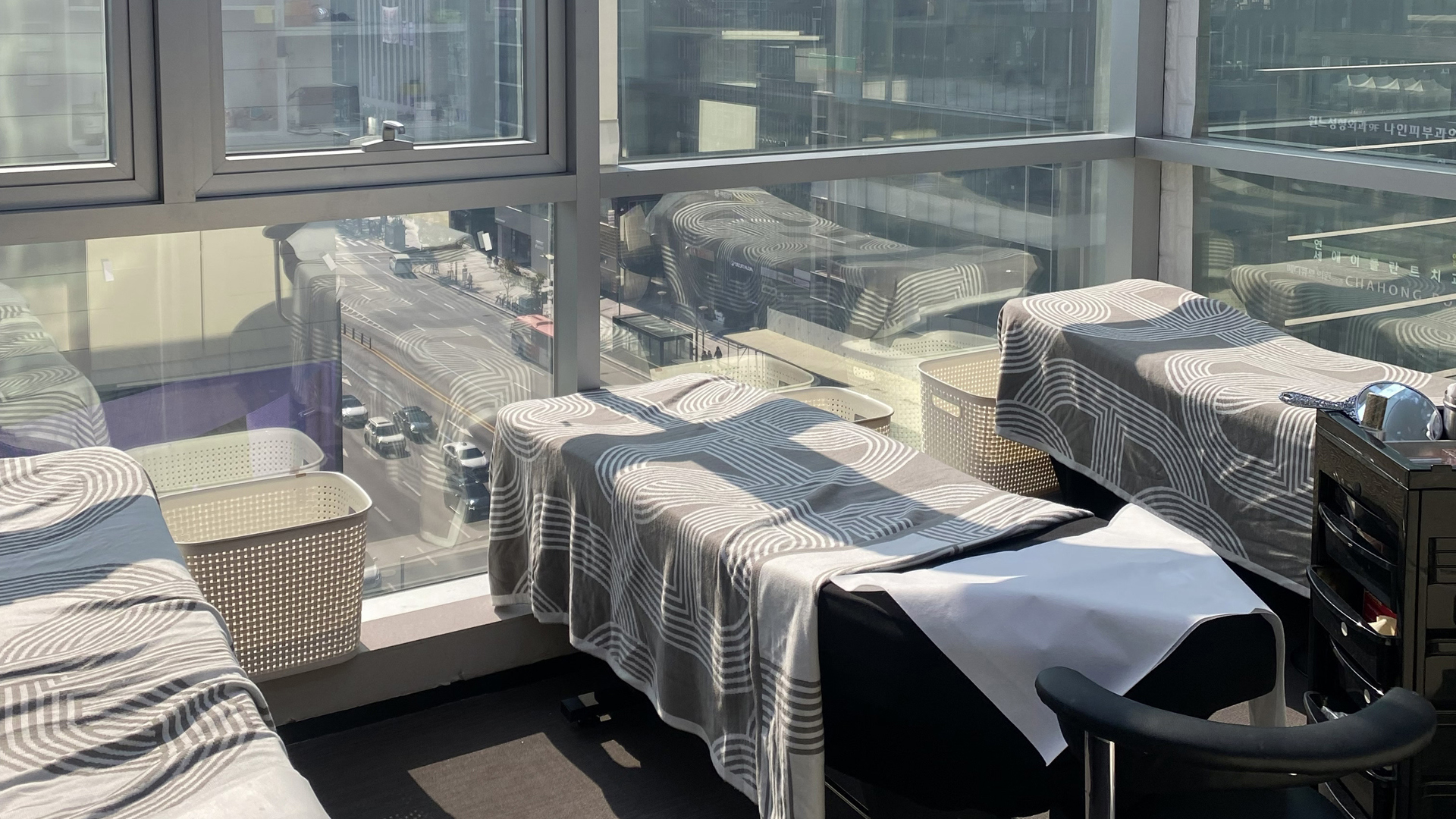
Dermal Fillers are carried out at the clinic in Gangnam-gu, Seoul, and the examination settles which material, which site and which quantity are reasonable, if any are. Photographs published by the clinic itself can be found at clinic's gallery.
Contact Golden Balance Clinic through the clinic contact page, by phone on +82-2-516-7148, or by email at info@goldenbalanceclinic.com.
Disclaimer
For informational purposes only. Individual results may vary depending on each patient's medical history, physical condition, anatomy, treatment plan, and recovery. The suitability of gynecological, aesthetic, dermatological, injectable, and other medical procedures should be determined through an individual consultation with a qualified medical professional. All treatments may involve potential risks, side effects, and recovery requirements, which should be discussed before treatment. Information provided by Golden Balance Clinic does not replace professional medical advice, diagnosis, or treatment. Results may vary and individual experiences may differ.
Sources & Further Reading
Food and Drug Administration — consumer guidance on injectable dermal fillers: choosing an experienced licensed provider, reading the patient labelling, the warnings against products sold to the public and needle-free injection pens, and the note that combination with botulinum toxin products has not been evaluated in clinical studies.
Food and Drug Administration — device-centre information on the same category: the common and less common risks, raised bumps that may require injections, antibiotics or surgical removal, inflammation after illness or dental work, and effects that appear weeks, months or years later.
Oral — systematic review of ninety-one studies on vascular occlusion after facial filler injection: hyaluronic acid events as the most reported and the most reversible, cutaneous ischaemia as the commonest presentation, ocular and neurological events as rarer but often permanent, and the time-critical nature of treatment.
Polymers — review of the rheology of hyaluronic acid fillers: biphasic and monophasic types, how cross-linking affects firmness and resistance to enzymatic degradation, the need to remove residual cross-linking agents, and how these properties guide product selection by injection site.
Other Services
Explore additional treatments offered by our specialists.
Eyebrow Semi-Permanent Makeup
Eyebrow semi-permanent makeup is a cosmetic tattooing procedure that deposits pigment into the skin to enhance eyebrow shape, definition, and color.
Learn More
Facial Contour Micropigmentation
Facial contour micropigmentation refers to depositing pigment into the skin to create or enhance selected facial features.
Learn More
Eyeliner & Eye Enhancement PMU
Eyeliner PMU is a cosmetic tattooing procedure that deposits pigment into the skin around the eyelids to create a longer-lasting eyeliner effect.
Learn More