Personalized Medical Care & Dedicated International Patient Concierge

Specialty Overview
Body Contouring & Weight Management
Body contouring addresses localized body-shape concerns in a defined area, while weight management is a medical process that begins with assessment of a person's weight-related health status and medical history.
Schedule a ConsultationBody Contouring and Weight Management in Seoul, Korea

Medically reviewed by Dr. Eun-Young Kwak, MD, graduate of Yonsei University College of Medicine
Golden Balance Clinic, Gangnam-gu, Seoul
Body contouring and weight management are two separate areas of care that are often requested together. Body contouring addresses localized body-shape concerns in a defined area, while weight management is a medical process that begins with assessment of a person's weight-related health status and medical history. They are not interchangeable: non-invasive body contouring is not a treatment for obesity and does not produce the health benefits associated with weight loss.
What Is Body Contouring & Weight Management?
Body contouring and weight management, as the terms are used at Golden Balance Clinic in Seoul, describe a group of treatments in which localized fat deposits are addressed by injection or by energy-based devices, and in which weight-related health concerns are assessed medically before any treatment plan is agreed. The two halves answer different questions, and a consultation usually begins by establishing which question a person is actually asking.
Localized contouring works on a defined area. It is intended for people who are near a stable body weight and who have a specific concern about the shape of one region.
Medical weight management begins with assessment rather than with a procedure. The clinician reviews weight history, medical conditions, current medicines, allergies, and previous treatment attempts.
Assessment may include height, weight, BMI, blood pressure, and other measurements or laboratory tests when these are clinically indicated.
The two approaches are not substitutes for one another. Addressing a localized contour concern does not treat a weight-related health condition, and medical weight management is not a shaping procedure for one area.
Eligibility for each treatment offered at the clinic is confirmed individually, and no single treatment is appropriate for everyone who asks about it.
Who Performs Body Contouring & Weight Management at Golden Balance Clinic
|
Dr. Eun-Young Kwak |

Treatments in this area are carried out by Dr. Eun-Young Kwak. Dr. Eun-Young Kwak is a Director and the doctor who leads the clinic's plastic surgery and petit centre. She graduated from Yonsei University College of Medicine. She is a member of the Korean Academy of Women's Aesthetic Medicine, the Korean Aesthetic Wellbeing Society, the Korean Society for Obesity and Plastic Surgery, and the Korean Society of Anti-Aging Medicine, and she previously served as a director of I-Love Petit Clinic and of Petit Queen Clinic.
Two of those memberships bear directly on this specialty: the Korean Society for Obesity and Plastic Surgery, which covers both halves of it, and the Korean Aesthetic Wellbeing Society.
Body Contouring & Weight Management Options Available
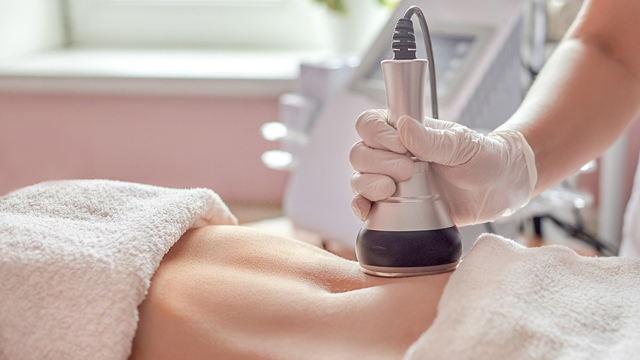
Three distinct services sit under this specialty. They differ in what they act on, how long a visit takes, and how soon any change is usually described as visible. The table below sets out what the clinic records about each; which one suits a given person, if any, is a decision made at consultation and not from a description like this one.
Option | What it acts on | Typical session length | When change is usually described as visible |
|---|---|---|---|
Fat-dissolving injections (injection lipolysis) | Localized subcutaneous fat in a defined treatment area | Around 15–30 minutes | 2–6 weeks, with final assessment around 8–12 weeks |
Laser lipolysis and body contouring | Localized fat deposits and, in some cases, skin laxity in the treated area | Approximately 30–90 minutes | Over 4–8 weeks, with final assessment at about 2–3 months |
Appetite and fullness, as part of a wider medical plan | Initial consultation approximately 20–60 minutes | Weight changes may begin within 4–8 weeks |
Injection lipolysis involves injecting a substance into a targeted area to disrupt fat cells. The mechanism, the areas it is appropriate for, its effectiveness and its risks all depend on the specific product used. Laser lipolysis and non-invasive contouring are different again: laser lipolysis uses laser energy and may involve a minimally invasive step, while non-invasive contouring delivers energy externally through the skin. Prescription weight-loss medication is a medical treatment that may help eligible patients manage their weight alongside nutrition changes, physical activity, and behavioural support; depending on the medicine it may reduce appetite, increase feelings of fullness, or act on the body's regulation of hunger.
Who Is a Good Candidate for Body Contouring & Weight Management?

Adults with localized subcutaneous fat in a defined area, realistic expectations, and good general health, where assessment confirms that the fullness is caused by fat rather than loose skin or another condition.
People near a stable body weight who have a specific concern about the shape of one region, rather than a general concern about weight.
For medical weight management, adults who meet the eligibility criteria for a specific medicine and who have completed an appropriate medical assessment. Depending on the medicine and applicable guidelines, this may include people with obesity, or with overweight accompanied by weight-related health conditions.
People willing to follow a prescribed treatment plan and to attend monitoring appointments, since medication is reviewed over time rather than issued once.
Treatment may be unsuitable, or may need to be postponed, during pregnancy or breastfeeding, where there is active infection or inflammation at the treatment site, where there is a known allergy to a product's ingredients, or where an underlying medical condition, an implanted device, or a current medicine raises the risk.
Anyone considering an appetite-related prescription needs assessment for contraindications and drug interactions before anything is prescribed.
Significant skin laxity or generalized weight concerns may point towards a different approach entirely rather than towards a contouring procedure.
The United States National Institute of Diabetes and Digestive and Kidney Diseases states that a weight management medication should never be taken only to improve the way you look. That framing matches how the clinic records its own process: no medication is prescribed on the basis of a desired cosmetic outcome, and suitability is the clinician's decision after assessment rather than the patient's request.
What to Expect: Procedure, Recovery, and Results Timeline
A consultation comes first in every case. The clinician reviews goals, medical history, current medications, and allergies, examines the relevant area, and determines which options — if any — are appropriate. The plan, the expected result, the potential risks, and the follow-up requirements are explained before anything is carried out. For minimally invasive procedures an in-person assessment may be required.
Anaesthesia requirements depend on which treatment is selected. Injectable treatments may cause temporary stinging, tenderness, or discomfort. Some non-invasive procedures do not require anaesthesia at all, though sensations such as warmth or tingling may occur during the session. Minimally invasive laser lipolysis may require local anaesthesia. The treating clinician confirms the pain-control plan before treatment rather than afterwards.
Before a session, patients are asked to disclose medical history, current medicines and supplements, allergies, implanted devices, previous treatments, and pregnancy status where relevant. Instructions about food, alcohol, medication use, sun exposure, and skin preparation vary by treatment, so they are given individually. Prescribed medicines should never be stopped without medical advice.
Stage | What the clinic records |
|---|---|
Session | 15–60 minutes for a body-contouring session, depending on the method |
Early recovery, injections | Mild swelling, bruising, or tenderness usually improving within 1–2 weeks |
Early recovery, device-based treatment | Initial recovery and reduction in swelling typically within 1–4 weeks |
First visible change | 2–6 weeks after injections; over 4–8 weeks for contouring treatments |
Final assessment | Around 8–12 weeks after injections; approximately 2–3 months for contouring |
Travel | A stay of 2–3 days may be sufficient for some non-surgical treatments |
Medication pathway | Initial adjustment within 1–2 weeks; weight changes may begin within 4–8 weeks |
Aftercare is specific to the treatment. Injection sites should not be massaged or have heat applied unless the clinician has specifically instructed it. Patients are told when exercise, alcohol, skincare products, and other treatments can be resumed. Severe or worsening pain, spreading redness, fever, significant skin changes, or any other concerning symptom warrants prompt medical assessment rather than waiting for a scheduled follow-up.
Results are not uniform. For contouring, outcomes vary with the method, the treated area, baseline anatomy, and individual response, and longevity depends on weight stability over time. The American Society for Dermatologic Surgery notes that non-invasive therapies for excess fat typically require multiple treatment sessions, and describes injection-based treatment of a fatty area as producing swelling in which the most noticeable phase can last from five to fourteen days, with smaller areas of swelling persisting for four to six weeks. For medication, the degree of change varies by medicine, dose, duration, individual response, and adherence; the MedlinePlus Medical Encyclopedia states that medicines in the GLP-1 agonist class cannot treat diabetes or obesity on their own and work best alongside a healthy diet and regular exercise.
Combining Body Contouring & Weight Management with Other Treatments

Contouring treatments may be carried out alongside clinician-supervised weight management, nutrition guidance, or a physical activity plan, depending on what the assessment identifies.
Combining injections, devices, and medicines in the same period requires a clinician's assessment, because interactions and cumulative risk are the reason such combinations are planned rather than stacked.
Weight-loss medication may be combined with clinician-guided nutrition counselling, physical activity, and behavioural support. Other weight-management medicines should not be added without explicit medical approval.
Where skin laxity in a treated area is also a concern, the clinician may raise the clinic's lifting and skin tightening or injectables and petit procedures services as separate options to discuss at consultation.
Alternatives outside this specialty exist and are part of the same conversation: nutrition and physical-activity interventions, clinician-supervised medical weight management, and, for some localized concerns, surgical options. These are not interchangeable with one another.
Safety, Precision, and Clinic Standards
Golden Balance Clinic opened in 2000 and is located in Gangnam-gu, Seoul. The clinic states its philosophy as: "We are committed to personalized 1:1 treatment plans tailored to each patient's condition and prioritize safety above all else in every procedure."
The clinic states that it carries out individualized pre-procedure consultations, limits surgeries to two per day, installs CCTV in all surgery and procedure rooms, and avoids unnecessary over-treatment.
Golden Balance Clinic is registered as a Medical Institution for Attracting Foreign Patients with the Republic of Korea's Ministry of Health and Welfare, under the Medical Overseas Expansion and Foreign Patients Attraction Act. That is a registration for treating international patients; it is not a facility accreditation.
English-language support is available through designated marketing, consultation, and global coordination staff, and the clinic names Scarlett Kim as its global coordinator, available from 10:00 to 20:00 KST.
Two points about risk belong here rather than in a smaller section. Potential effects of contouring treatment depend on what is used and may include pain, swelling, bruising, redness, tenderness, numbness, firmness, temporary lumps, infection, or uneven results; less commonly, persistent nodules, skin ulceration or tissue damage, scarring, nerve injury, burns, or contour irregularities can occur. Weight-management medicines may cause gastrointestinal effects such as nausea, vomiting, diarrhoea, constipation, or abdominal discomfort, and some carry additional risks affecting heart rate, blood pressure, blood glucose, or specific organs. Medication-specific warnings should be reviewed before starting, and severe or persistent symptoms warrant urgent medical attention.
The clinic does not treat these procedures as a replacement for ordinary care of health. The National Institute of Diabetes and Digestive and Kidney Diseases states plainly that medications do not replace physical activity or healthy eating habits as a way to lose weight, and the American Society for Dermatologic Surgery lists people who regard non-invasive removal of excess fat as a substitute for proper diet and exercise among those who are not good candidates for it.
The Bottom Line
Body contouring and weight management are different goals that share a consultation; contouring addresses a localized area, and weight management addresses weight-related health.
Three services sit under this specialty at the clinic: injection lipolysis, laser lipolysis and body contouring, and prescription weight-management care.
Eligibility for a prescription medicine is the clinician's decision after assessment of medical history, current medicines, and weight-related health status.
Neither contouring nor medication replaces nutrition, physical activity, and medical follow-up, and the clinic records this explicitly.
Visible change is gradual where it occurs — generally weeks rather than days — and multiple sessions may be needed for device-based or injection treatments.
Frequently Asked Questions
How is suitability decided?
Suitability is decided individually, after a consultation that covers goals, medical history, current medicines, allergies, and an examination of the relevant area. For localized contouring, a person near a stable body weight with a specific concern about one region may be considered. For medical weight management, the decision rests on weight-related health status, medical history, and clinician assessment, and it is confirmed treatment by treatment rather than in general.
Who should postpone or avoid treatment?
Pregnancy or breastfeeding, an active infection, a known allergy to treatment ingredients, and certain underlying medical conditions are reasons to postpone or to rule out a treatment. Implanted devices, current medicines, and healing concerns may also affect eligibility. Anyone considering an appetite-related prescription needs assessment for contraindications and drug interactions first, and the clinic does not publish a single exclusion list covering every service because the exclusions differ by treatment.
How long does a session take, and is it uncomfortable?
A body-contouring session generally takes around 15 to 60 minutes depending on the method; injection treatments are usually at the shorter end and device-based sessions can run to about 90 minutes. Discomfort is generally mild to moderate. Injections may cause brief stinging, tenderness, or bruising, while non-invasive treatments may cause temporary pressure, warmth, or tingling. Pain-control measures are decided by the clinician for the specific treatment.
How long should an international patient stay in Korea?
For some non-surgical body-contouring treatments, a stay of two to three days may be sufficient, allowing for consultation, treatment, and any immediate follow-up. For an initial consultation and medical assessment relating to weight-management medication, approximately one to three days may be enough, subject to clinic availability and any required tests. Clearance from the treating clinician before travelling home is part of the process in either case.
When would any change become visible?
For injection lipolysis, a visible reduction in the treated area may appear in two to six weeks, with the result usually assessed at around eight to twelve weeks. For contouring treatments, change generally develops over four to eight weeks, with final assessment at about two to three months. Where medication is prescribed, weight changes may begin within four to eight weeks, though this varies with the medicine, the dose, and individual response.
Are these treatments a substitute for diet and activity?
No. The clinic records that medication does not guarantee weight loss and does not replace appropriate nutrition, physical activity, and medical monitoring, and that non-invasive contouring is not a treatment for obesity. Maintaining any contouring result depends on weight stability over time. Follow-up appointments exist precisely because response, tolerability, and whether treatment should continue are reviewed rather than assumed.
What should be disclosed before treatment?
Medical history, all current prescription medicines, over-the-counter medicines and supplements, allergies, previous aesthetic or weight-management treatments, bleeding problems, implanted devices, and pregnancy, plans for pregnancy, or breastfeeding where applicable. Instructions on food, alcohol, exercise, and skincare are given individually because they differ by treatment. Prescribed medicines should not be started, stopped, or adjusted without medical guidance.
What happens at follow-up appointments?
Follow-up exists to check response and tolerability, not simply to confirm a result. After a contouring treatment, the clinic reviews the treated area and any post-treatment symptoms, and asks patients to make contact if symptoms are severe, worsening, or unexpected. Where medication has been prescribed, follow-up appointments assess how the patient has responded, how well the medicine is tolerated, and whether treatment should continue or be adjusted.
Book a Consultation at Golden Balance Clinic
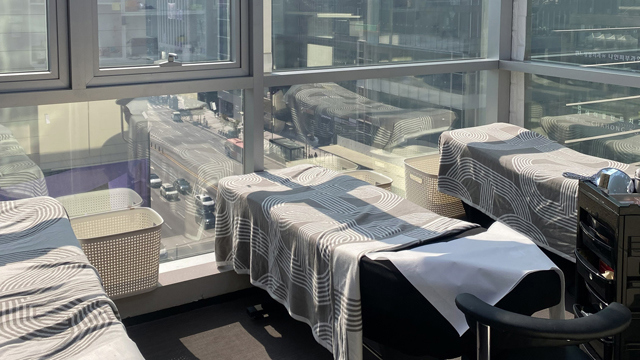
Consultations for body contouring and weight management take place at Golden Balance Clinic in Gangnam-gu, Seoul, and begin with assessment rather than with a treatment decision. Golden Balance Clinic is on the 12th floor of the Chunglim Building at 468 Gangnam-daero, Gangnam-gu, Seoul 06123, Republic of Korea. The clinic is open Monday to Sunday from 10:00 to 21:00 KST year-round, with a lunch break from 11:30 to 12:30 KST and last registration at 19:00 KST.
Contact Golden Balance Clinic through the clinic contact page, by phone on +82-2-516-7148, or by email at info@goldenbalanceclinic.com.
Disclaimer
For informational purposes only. Individual results may vary depending on each patient's medical history, physical condition, anatomy, treatment plan, and recovery. The suitability of gynecological, aesthetic, dermatological, injectable, and other medical procedures should be determined through an individual consultation with a qualified medical professional. All treatments may involve potential risks, side effects, and recovery requirements, which should be discussed before treatment. Information provided by Golden Balance Clinic does not replace professional medical advice, diagnosis, or treatment. Results may vary and individual experiences may differ.
Sources & Further Reading
National Institute of Diabetes and Digestive and Kidney Diseases — on prescription weight-management medication: medications do not replace physical activity or healthy eating habits, and such a medication should never be taken only to improve the way you look.
MedlinePlus Medical Encyclopedia — on the GLP-1 agonist class: these medicines cannot treat diabetes or obesity on their own and work best alongside a healthy diet and regular exercise.
American Society for Dermatologic Surgery — on non-invasive body contouring: such therapies typically require multiple sessions, and people who regard non-invasive removal of excess fat as a substitute for proper diet and exercise are not good candidates.
American Society for Dermatologic Surgery — on injection-based fat reduction: the most noticeable swelling can last from five to fourteen days, with small areas of swelling persisting for four to six weeks.
Related Services
Procedures available within our clinical departments.
Eyebrow Semi-Permanent Makeup
Eyebrow semi-permanent makeup is a cosmetic tattooing procedure that deposits pigment into the skin to enhance eyebrow shape, definition, and color.
Learn More
Facial Contour Micropigmentation
Facial contour micropigmentation refers to depositing pigment into the skin to create or enhance selected facial features.
Learn More
Eyeliner & Eye Enhancement PMU
Eyeliner PMU is a cosmetic tattooing procedure that deposits pigment into the skin around the eyelids to create a longer-lasting eyeliner effect.
Learn More