Personalized Medical Care & Dedicated International Patient Concierge

Specialty Overview
Feminine Plastic Surgery
Feminine plastic surgery is a group of operations that reshape the external and internal structures of the vulva and vagina, carried out either because the tissue causes physical discomfort or because a patient wants its appearance changed.
Schedule a ConsultationFeminine Plastic Surgery in Seoul, Republic of Korea

Medically reviewed by Dr. Jong-Yeol Kim, board-certified obstetrician-gynecologist, and Dr. Yu-Jin Oh, board-certified obstetrician-gynecologist Golden Balance Clinic, Gangnam-gu, Seoul
Feminine plastic surgery is a group of operations that reshape the external and internal structures of the vulva and vagina, carried out either because the tissue causes physical discomfort or because a patient wants its appearance changed. At Golden Balance Clinic the group covers four procedures: labiaplasty, clitoral hood reduction, labia majora reduction, and vaginoplasty. Each is planned around one person's anatomy, symptoms, and stated goals after an examination, and each carries its own recovery requirements.
What Is Feminine Plastic Surgery?
Feminine plastic surgery means surgically removing, reducing, or repositioning tissue of the vulva or vaginal canal so that the area is less uncomfortable, more symmetrical, or differently shaped than it was before. The following facts describe what the surgery is and is not.
It is a surgical category. Tissue is excised or tightened and incisions are closed with sutures; the changes are structural rather than temporary.
The clinic's four operations address four separate structures — the labia minora, the fold of skin over the clitoris, the outer labia majora, and the vaginal canal with its supporting tissues.
Anesthesia is part of every one of these operations. Depending on the procedure and the clinical circumstances, local anesthesia or general anesthesia may be used.
Operating time at Golden Balance Clinic runs from roughly 30 to 60 minutes for the shortest of the four to approximately 2 to 3 hours for vaginal tightening surgery.
The results are not instant. Swelling and bruising obscure the shape for weeks, and the settled appearance is assessed only once healing is complete.
There is wide natural variation in the shape and size of the external genitalia, and the Royal College of Surgeons of England encourages anyone considering a cosmetic operation to research the procedure thoroughly so that they know what to expect. Part of the purpose of a surgical consultation is to establish whether surgery is the right answer at all.
Who Performs Feminine Plastic Surgery at Golden Balance Clinic
|
|
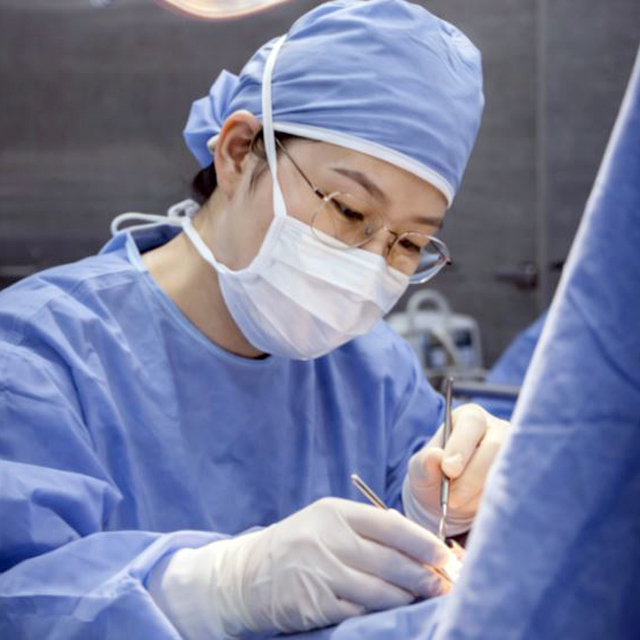
Dr. Jong-Yeol Kim | Dr. Yu-Jin Oh |
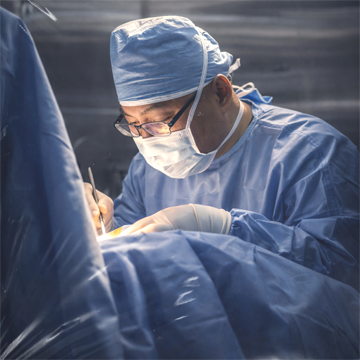
Two obstetrician-gynecologists review and lead this area of the clinic's work. Dr. Jong-Yeol Kim is the Medical Director of Golden Balance Clinic and a board-certified obstetrician-gynecologist with 30 years of experience. He graduated from Hallym University College of Medicine and completed his internship and residency training in obstetrics and gynecology at Hallym University Sacred Heart Hospital. He is a regular member of the Korean Society of Obstetrics and Gynecology.
Dr. Yu-Jin Oh is a Director and a board-certified obstetrician-gynecologist with 23 years of experience. She graduated from Jeonbuk National University Medical School, completed her internship at Samsung Medical Center Cheil General Hospital, and completed residency training in obstetrics and gynecology at Samsung Medical Center Kangbuk Samsung Hospital. She is a member of the Korean Society of Obstetrics and Gynecology, the Korean Academy of Functional Medicine, and the Korean Society of Medical Aesthetics and Dermatology.
The clinic's stated working method is that treatment is planned by the responsible physician after a one-on-one diagnosis, rather than selected from a menu. Which of the four operations is proposed, whether two of them are combined, and what sort of anesthesia is used are all decisions the examining doctor makes with the patient during that consultation.
Feminine Plastic Surgery Options Available
The four operations are distinct, and it is worth seeing side by side what each one actually changes.
Operation | Tissue treated | What it does | Typical operating time |
|---|---|---|---|
Labia minora, the inner folds | Reduces or reshapes the inner labia; may improve symmetry and reduce rubbing during exercise and daily activity | Approximately 1–2 hours | |
The skin folds covering the clitoris | Removes or reshapes excess hood tissue; may be done alone or alongside labiaplasty | About 30–60 minutes | |
Labia majora, the outer hair-bearing folds | Removes excess skin and tissue, usually from the inner portion of each labium, to lower the profile and improve contour | Approximately 1–2 hours | |
The vaginal canal and its supporting tissues | Brings stretched supporting tissues or muscles together with sutures and removes excess vaginal lining where indicated | Approximately 2–3 hours |
A few notes on how these differ in practice. The British Association of Aesthetic Plastic Surgeons describes labial reduction as a relatively simple excision of an area of the labia minora using a variety of incisions, with careful planning of the tissue to be reduced and of scar placement needed to avoid painful scar contracture or over-reduction. Clitoral hood reduction is frequently performed as part of a labiaplasty but can be done on its own. Labia majora reduction treats excess or sagging outer tissue; where the concern is the opposite — lost volume rather than surplus skin — adding volume rather than removing it is discussed at consultation. Vaginoplasty is the only one of the four that addresses the canal itself.
Two boundaries matter for the vaginal procedures. Where symptoms come mainly from weakness or dysfunction of the pelvic floor muscles, pelvic floor muscle training or physiotherapy may be the more appropriate route, and where the vaginal entrance and perineum are the problem rather than the whole canal, perineoplasty addresses that area instead. Non-surgical options such as vaginal laser treatment and fillers may also be raised at consultation as alternatives.
Who Is a Good Candidate for Feminine Plastic Surgery?
Adults with a specific functional or aesthetic concern involving the vulva or vagina who want to explore which surgical or non-surgical option fits.
People in appropriate health for the operation proposed, who understand its benefits, risks, limitations, and recovery requirements, and whose expectations of it are realistic.
For labiaplasty: those with concerns about labial size, asymmetry, friction, or discomfort who have been medically assessed first.
For clitoral hood reduction: those troubled by excess hood tissue, by discomfort from prominent skin folds, or by the appearance of the area.
For labia majora reduction: those with excess or sagging outer labial tissue who are medically suitable for surgery and who have had any active genital skin condition assessed beforehand.
For vaginoplasty: those with clinically assessed vaginal laxity or stretched supporting tissues; where there has been childbirth-related injury, the vaginal wall, pelvic floor, and perineum may all need assessing to identify the right treatment.
Not suitable, or suitable only after further care: those with an active infection in the area, an undiagnosed gynecological condition, impaired wound healing, or an uncontrolled medical condition that would make elective surgery unsafe.
Pregnancy may affect both eligibility and timing.
Where expectations cannot realistically be met, counseling comes before any decision about surgery.
What to Expect: Procedure, Recovery, and Results Timeline

The pathway begins with an inquiry and an explanation of what is bothering you. Relevant medical history is collected, including previous surgery, childbirth injuries, medications, supplements, and allergies. An in-person consultation and examination follow. The doctor then discusses the diagnosis, the treatment options, the risks, the expected recovery, and the alternatives. Informed consent and scheduling come last, and only if surgery is appropriate.
Preparation is mostly disclosure and instruction-following. Give a complete medical history, and complete any examination or test the physician requests. Follow medical advice about medications, smoking, alcohol, and fasting where it applies, and never stop a prescribed medication without medical advice. If you are traveling from abroad, confirm travel arrangements and follow-up requirements with the clinic before booking.
On the day, the sequence is consistent across the four operations: consultation and examination, treatment planning and consent, anesthesia chosen for the procedure and the patient, surgery, postoperative observation with discharge instructions, and follow-up. In labia majora reduction the surgeon marks the planned incision, removes a measured amount of excess tissue, and closes usually with absorbable sutures. In vaginoplasty an incision is made in the vaginal lining where required, stretched tissues or muscles are brought together with sutures, excess lining is removed where indicated, and the incision is closed.
Stage | What happens |
|---|---|
First 1–2 weeks | Initial recovery across the specialty. Soreness, swelling, bruising, and tenderness are expected; after vaginoplasty a deeper ache is common in the first few days |
2–6 weeks | Gradual healing. Clitoral hood reduction recovery is measured at 2–6 weeks; labia majora reduction heals gradually over the same window |
2–4 weeks | Initial results begin to be visible, depending on the procedure |
4–6 weeks | Labia majora contour becomes noticeable; final labiaplasty shape is typically settled around this point |
6–8 weeks | Full recovery after vaginoplasty; results continue improving over 4–8 weeks |
Several months | Swelling after surgical procedures can take weeks to months to fully subside before the final result is judged |
Aftercare is specific and not optional. Follow the physician's instructions for hygiene, wound care, prescribed medication, and follow-up visits; keep the area clean and dry as directed, wear loose-fitting clothing, and rest during early recovery. Avoid friction, strenuous exercise, and sexual intercourse for the period recommended for your specific operation — after vaginoplasty this is often around 6 to 8 weeks, and tampons are included in that restriction.
For labiaplasty specifically, the British Association of Plastic, Reconstructive and Aesthetic Surgeons reports that most patients find the area well healed after two weeks and fully back to normal after six.
Risks are real and vary by procedure. Across the specialty they may include bleeding, infection, swelling, bruising, scarring, asymmetry, changes in sensation, delayed wound healing, and discomfort during sexual intercourse, and anesthesia-related risks apply to surgical procedures. Specific operations add their own: wound separation and possible revision surgery after labiaplasty, adhesions after clitoral hood reduction, hematoma or removal of too much or too little tissue after labia majora reduction, and vaginal narrowing or excessive tightness after vaginoplasty. The NHS notes that any type of operation also carries a small risk of a blood clot in a vein and of an allergic reaction to the anesthetic, and MedlinePlus, from the US National Library of Medicine, adds that some people carry a greater risk of complications because of other medical conditions.
Realistic outcomes matter as much as the timeline. Labiaplasty can reduce the size of the labia minora, improve symmetry, and reduce rubbing-related discomfort, but surgery cannot guarantee improved sexual pleasure or satisfaction. Labia majora reduction can lower the profile when standing and improve contour, and its results are generally permanent. Vaginoplasty aims to reduce laxity and improve support where stretched tissue or muscle is contributing; comfort improves for some patients, results vary with individual healing, and they may last for years.
Combining Feminine Plastic Surgery with Other Treatments
Clitoral hood reduction may be combined with labiaplasty in selected cases, depending on anatomy, goals, and clinical assessment.
Labiaplasty may be combined with clitoral hood reduction or labia majora procedures, but only where that is clinically appropriate.
Labia majora reduction may be combined with clitoral hood reduction or with mons pubis contouring, again depending on anatomy and goals.
Vaginoplasty may be combined with perineoplasty where both the canal and the entrance or perineum need correcting, and labia minora or labia majora surgery may be considered in selected cases.
Combinations are proposed by the operating doctor after examination. They are not a standing package, and more surgery at once is not automatically better.
Safety, Precision, and Clinic Standards

The clinic states that it carries out individualized pre-procedure consultations, limits surgeries to two per day, installs CCTV in all surgery and procedure rooms, and avoids unnecessary over-treatment. Golden Balance Clinic is registered as a Medical Institution for Attracting Foreign Patients with the Republic of Korea's Ministry of Health and Welfare, under the Medical Overseas Expansion and Foreign Patients Attraction Act. That is a registration for treating international patients; it is not a facility accreditation. English-language support is available through designated marketing, consultation, and global coordination staff, and the clinic names Scarlett Kim as its global coordinator, available from 10:00 to 20:00 KST.
The clinic describes only the intended anatomical changes and realistic outcomes of each operation; improved sexual pleasure, libido, body image, and guaranteed cosmetic results are not claimed for any of them.
Golden Balance Clinic is on the 12th floor of the Chunglim Building at 468 Gangnam-daero, Gangnam-gu, Seoul 06123, Republic of Korea. The clinic is open Monday to Sunday from 10:00 to 21:00 KST year-round, with a lunch break from 11:30 to 12:30 KST and last registration at 19:00 KST. The clinic was established in 2000. The clinic states its philosophy as: "We are committed to personalized 1:1 treatment plans tailored to each patient's condition and prioritize safety above all else in every procedure."
The Bottom Line
Four operations sit under this specialty at Golden Balance Clinic: labiaplasty, clitoral hood reduction, labia majora reduction, and vaginoplasty.
Two board-certified obstetrician-gynecologists, Dr. Jong-Yeol Kim and Dr. Yu-Jin Oh, lead this area of the clinic's work.
Initial recovery is 1 to 2 weeks for most of the four; vaginoplasty takes roughly 6 to 8 weeks for full recovery.
Risks include bleeding, infection, scarring, asymmetry, and changes in sensation, and they differ by operation.
International patients generally plan on 7 to 14 days in Korea, confirmed with the operating surgeon.
Frequently Asked Questions
How long will I need to stay in Korea?
Plan for roughly 7 to 14 days, depending on which operation you have and how your recovery progresses. Labiaplasty sits at the shorter end of that window, around 7 days, while vaginoplasty and clitoral hood reduction more often need the fuller 7 to 14. Treat these as planning estimates and confirm the required stay with the operating surgeon before booking a return flight.
When can I fly home?
Flying home 7 to 14 days after surgery is the general expectation, provided your surgeon confirms you are fit to travel. The point of the wait is not the flight itself but the early postoperative assessment that happens before you leave. Build flexibility into your return booking rather than a fixed date.
Is the surgery painful?
Anesthesia controls pain during the operation, and medication is used afterwards. Soreness, swelling, and tenderness are normal during early healing, and after vaginoplasty a deeper ache is common in the first few days. How much discomfort you feel depends on the procedure and on your own healing.
When will I see the final result?
Initial changes generally appear within two to four weeks. The settled result takes longer: roughly four to six weeks for labia majora contour to become noticeable, four to eight weeks of continued improvement after vaginoplasty, and for surgical procedures in general, several weeks to months for swelling to fully subside before the final result can be judged.
What should I avoid beforehand?
Follow your physician's instructions on smoking, alcohol, medications, supplements, and fasting where it applies. Tell the clinic about every medication, allergy, and existing medical condition, and ask whether anything that affects bleeding needs adjusting — but do not stop a prescribed medicine on your own. Ask your surgeon about intimate hair removal and about scheduling around your menstrual period.
Can two of these operations be done at the same time?
Sometimes, where the clinical assessment supports it. Clitoral hood reduction is the one most often combined with labiaplasty, and vaginoplasty may be combined with perineoplasty when both the canal and the entrance need correcting. A combination is proposed by the operating doctor after examination rather than requested as a package.
Which symptoms mean I should contact someone urgently?
Fever, worsening pain, heavy bleeding, unusual discharge, or a wound that opens all warrant prompt medical advice rather than waiting for your scheduled review. If you have already traveled home, seek assessment from a clinician where you are as well as telling the clinic what has changed. Describe what you are seeing and when it started.
Book a Consultation at Golden Balance Clinic
Feminine plastic surgery at Golden Balance Clinic in Gangnam-gu, Seoul begins with an examination and a conversation about whether surgery is the right answer for your concern. You can see examples of the clinic's work in its before and after gallery. Contact Golden Balance Clinic through the clinic contact page, by phone on +82-2-516-7148, or by email at info@goldenbalanceclinic.com.
Disclaimer
For informational purposes only. Individual results may vary depending on each patient's medical history, physical condition, anatomy, treatment plan, and recovery. The suitability of gynecological, aesthetic, dermatological, injectable, and other medical procedures should be determined through an individual consultation with a qualified medical professional. All treatments may involve potential risks, side effects, and recovery requirements, which should be discussed before treatment. Information provided by Golden Balance Clinic does not replace professional medical advice, diagnosis, or treatment. Results may vary and individual experiences may differ.
Sources & Further Reading
NHS — patient guidance on labiaplasty, including general operative risks.
British Association of Aesthetic Plastic Surgeons — how labial reduction and clitoral hood reduction are performed.
British Association of Plastic, Reconstructive and Aesthetic Surgeons — patient guide to female genital tract surgery, including labiaplasty healing times.
MedlinePlus — complications that can follow any operation.
Royal College of Surgeons of England — advice on researching a cosmetic procedure before deciding.
Related Services
Procedures available within our clinical departments.
Eyebrow Semi-Permanent Makeup
Eyebrow semi-permanent makeup is a cosmetic tattooing procedure that deposits pigment into the skin to enhance eyebrow shape, definition, and color.
Learn More
Facial Contour Micropigmentation
Facial contour micropigmentation refers to depositing pigment into the skin to create or enhance selected facial features.
Learn More
Eyeliner & Eye Enhancement PMU
Eyeliner PMU is a cosmetic tattooing procedure that deposits pigment into the skin around the eyelids to create a longer-lasting eyeliner effect.
Learn More