Personalized Medical Care & Dedicated International Patient Concierge

Specialty Overview
Lifting & Skin Tightening
Lifting and skin tightening is a group of non-surgical and surgical treatments that set out to improve skin firmness, soften the look of sagging, and refine the contours of the face, neck, or body.
Schedule a ConsultationLifting and Skin Tightening in Seoul, South Korea

Medically reviewed by Dr. Eun-Young Kwak, MD, graduate of Yonsei University College of Medicine Golden Balance Clinic, Gangnam-gu, Seoul
Lifting and skin tightening is a group of non-surgical and surgical treatments that set out to improve skin firmness, soften the look of sagging, and refine the contours of the face, neck, or body. Which method suits a person depends on how loose the skin has become: energy delivered into the skin, absorbable threads placed under it, or surgery for more substantial laxity. At Golden Balance Clinic in Gangnam-gu, Seoul, the choice is made after an individual assessment rather than offered as a single fixed treatment.
What Is Lifting & Skin Tightening?
Lifting and skin tightening treatments heat, support, or reposition the tissue beneath the skin surface so that firmness and contour improve, using ultrasound, radiofrequency, laser or microwave energy, absorbable threads, or surgery depending on the method selected. The American Society for Dermatologic Surgery describes non-invasive skin tightening procedures as non-surgical devices used to stimulate collagen production in the deeper layers of the skin, and notes that most such devices use laser energy, radiofrequency energy, ultrasound energy, or a combination of these to deliver heat to skin tissue.
The treatments divide into two mechanical families: energy-based treatments that heat tissue at a chosen depth, and thread treatments that physically support and elevate tissue with absorbable material placed under the skin.
Energy-based sessions at this clinic commonly run between 20 and 90 minutes depending on the method and the area treated, and most are performed without incisions.
Thread procedures involve a small insertion point rather than a surgical incision, and the threads used are absorbable medical-grade material designed for tissue lifting.
The improvement is gradual in most cases. Initial change may be noticeable within one to four weeks, while the lifting effect generally continues to develop over four to eight weeks.
No method in this group stops the natural ageing process or produces perfectly tight skin, and non-surgical treatments give more subtle change than surgery.
Who Performs Lifting & Skin Tightening at Golden Balance Clinic
|
Dr. Eun-Young Kwak |
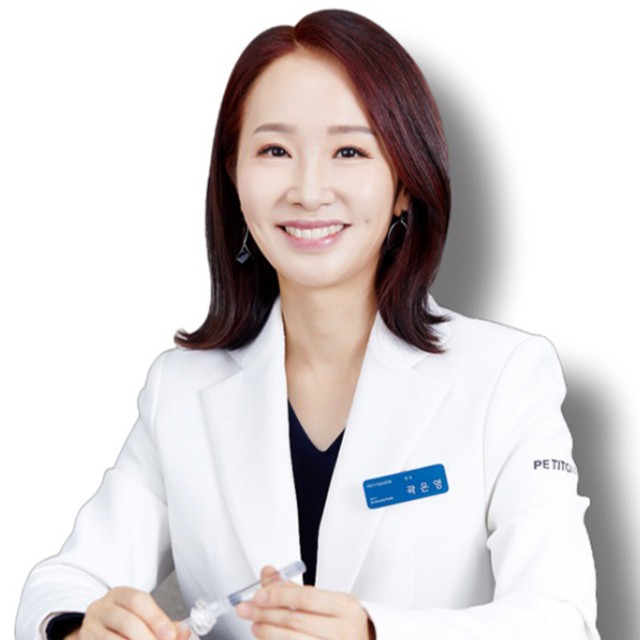
Lifting and skin tightening at Golden Balance Clinic is led by Dr. Eun-Young Kwak, who heads the clinic's plastic surgery and petit centre. Dr. Eun-Young Kwak is a Director and the doctor who leads the clinic's plastic surgery and petit centre. She graduated from Yonsei University College of Medicine. She is a member of the Korean Academy of Women's Aesthetic Medicine, the Korean Aesthetic Wellbeing Society, the Korean Society for Obesity and Plastic Surgery, and the Korean Society of Anti-Aging Medicine, and she previously served as a director of I-Love Petit Clinic and of Petit Queen Clinic.
Her stated areas of practice — aesthetic medicine for women, anti-ageing medicine, and the petit procedures that make up much of a lifting and tightening programme — map directly onto the treatments described here. Because this specialty spans both energy-based sessions and thread procedures, the same doctor who assesses the face decides which family of treatment the findings point towards, and that continuity is part of how the clinic plans each case.
Lifting & Skin Tightening Options Available
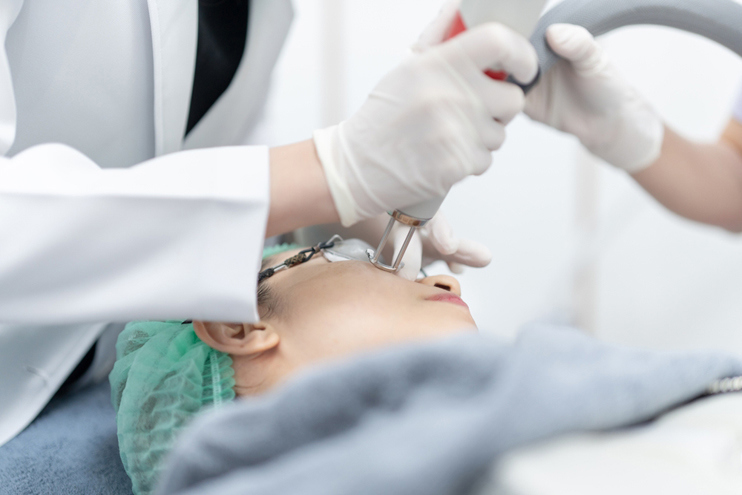
Five treatment routes sit under this specialty at Golden Balance Clinic. They differ in how they act on tissue, how long a session takes, and how quickly change becomes visible.
Option | How it works | Typical session | When results appear |
|---|---|---|---|
Microfocused ultrasound lifting | Focused ultrasound energy heats selected tissue layers to stimulate collagen production | 30–90 minutes | Initial lifting at 2–4 weeks, continuing up to 8 weeks |
Controlled radiofrequency energy heats tissue and supports collagen remodelling | 20–60 minutes | Initial tightening within 1–2 weeks, gradual change over 4–8 weeks | |
Laser and microwave-based lifting | Laser or microwave energy heats targeted tissue; depth and mechanism vary by technology | 20–60 minutes | Visible tightening develops over 4–8 weeks |
Absorbable thread lift | Specialised absorbable threads are placed under the skin and the tissue is gently elevated | 30–60 minutes | Lifting improves over 2–6 weeks |
Absorbable threads are placed in the nasal bridge or tip to adjust projection and definition | 20–30 minutes | Visible immediately, settling over 2–4 weeks |
The three energy-based routes share a common principle and differ in the depth and manner of heating. Microfocused ultrasound lifting is directed at selected tissue depths and facial zones, with energy settings and treatment lines decided by the clinician after assessing laxity and anatomy. Radiofrequency skin tightening is delivered by moving a handpiece across the treatment area, with the pattern and energy chosen for the skin condition and goal. Laser and microwave-based lifting applies its energy according to the protocol of the technology used, again to heat tissue and support collagen remodelling.
The two thread routes work mechanically rather than thermally. A thread lift places absorbable threads beneath the skin with fine needles or cannulas and lifts the tissue to improve facial contours, with collagen stimulation following gradually. A nose thread lift uses the same class of material for a narrower purpose — elevating the bridge, refining the tip, and sharpening contour without an incision. Its effects are reported to last roughly four to six weeks or longer, depending on the threads used and on individual factors, which is a shorter horizon than the other options on this page and worth knowing before booking travel.
Who Is a Good Candidate for Lifting & Skin Tightening?
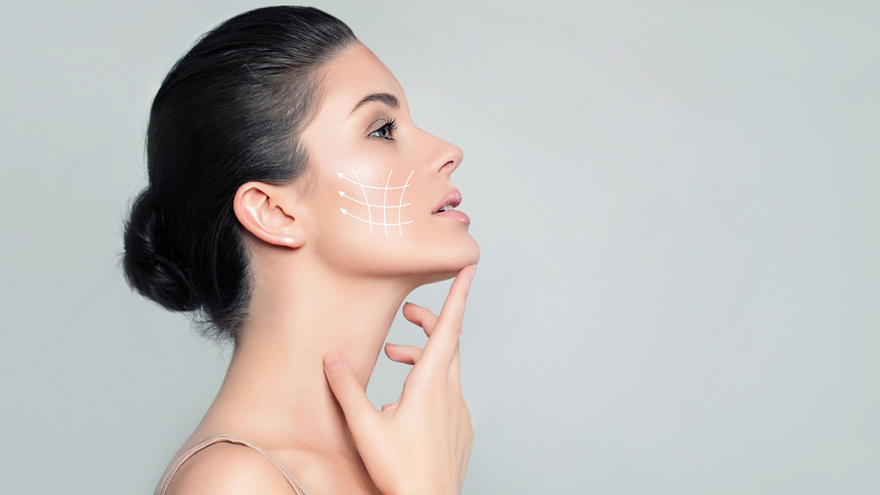
Adults with mild to moderate skin laxity or sagging who want firmer skin or improved facial contours
People who prefer a non-surgical route with limited downtime and accept that the change will be more subtle than surgery
Patients whose loose skin or reduced firmness follows ageing or weight loss and who want the contour addressed rather than the volume
For thread lifting specifically, people with mild to moderate laxity who want a lifting effect without invasive surgery
For nose thread lifting, people seeking subtle refinement, bridge enhancement, or tip elevation with mild to moderate structural adjustment needs
Suitability also depends on skin condition, age-related change, medical history, expectations, and which method is chosen
Some people should postpone or avoid these treatments. Active skin infection, significant inflammation in the treatment area, or medical conditions that raise procedural risk are reasons to wait. Certain energy-based treatments may be unsuitable for people with specific implanted devices. Pregnancy, breastfeeding, and some medical conditions also affect suitability. Severe skin sagging is not well served by thread lifting, and anyone needing major structural cartilage reconstruction or who has a severe nasal deformity is not a candidate for a nose thread lift. The American Society for Dermatologic Surgery similarly lists current infection in the treatment area, blood-clotting problems, and pregnancy among the situations in which non-invasive skin tightening is not recommended.
What to Expect: Procedure, Recovery, and Results Timeline
The consultation comes first. The practitioner reviews medical history, medications, previous cosmetic procedures, and treatment goals. Skin laxity, tissue volume, facial or body contours, and skin quality are assessed. Suitable options, expected results, limitations, risks, downtime, and costs are discussed before a personalised treatment plan is put together. For a nose thread lift the assessment is narrower and looks at nasal anatomy, skin thickness, and facial proportions to design the thread placement.
Preparation is mostly disclosure. Tell the practitioner about medical conditions, allergies, medications, supplements, smoking, and any previous cosmetic procedures, and follow the instructions you are given about skincare, sun exposure, and medicines that affect bleeding or recovery. Before thread procedures, blood-thinning medications and supplements are avoided, and alcohol is avoided before a nose thread lift. Surgical procedures require additional preparation and medical assessment.
On the day, the treatment area is assessed and cleansed. For an energy-based session the practitioner applies the device handpiece to the planned zones. For a thread procedure the practitioner applies local anaesthesia — usually by injection, sometimes preceded by numbing cream — then inserts the threads beneath the skin and lifts the tissue into position. Comfort measures differ by route. Energy-based treatments are often performed with no anaesthesia or with topical numbing cream, while thread lifting commonly uses local anaesthesia. Surgical lifting may call for local anaesthesia with sedation or general anaesthesia depending on the operation and the patient.
Sensation during treatment varies. Energy-based procedures can produce warmth, tingling, brief prickling, or mild stinging, and discomfort is often more noticeable over bony areas. Thread procedures may produce pressure or soreness. Afterwards the practitioner gives instructions for recovery and arranges follow-up.
Stage | What usually happens |
|---|---|
Day of treatment | Session of 20–90 minutes depending on method; aftercare instructions given before you leave |
First week | Mild redness or swelling after energy-based treatment usually subsides within about a week |
1–2 weeks | Redness or swelling after thread procedures, and after laser or microwave-based lifting, generally settles in this window |
2–4 weeks | Initial lifting becomes noticeable after ultrasound lifting; nose thread lift results settle |
4–8 weeks | Lifting and tightening continue to develop across all the energy-based routes |
2–6 months | Energy-based treatments may show their full effect around two to six months as collagen remodelling progresses |
Aftercare follows the same logic for every route. Use the cleansing and skincare routine you are given, and keep to the activity restrictions for the period advised. Avoid excessive heat, strenuous exercise, and unnecessary pressure on the treated area. After a thread lift, follow the specific advice about facial movements, sleeping with the head elevated, wound care, and follow-up appointments. After a nose thread lift, avoid pressing or rubbing the nose, leave heavy eyeglasses off for a few days, and keep away from strenuous exercise, saunas, and alcohol for a week. Protect treated skin from sun exposure; the American Academy of Dermatology advises daily use of a broad-spectrum sunscreen with an SPF of at least 30 because the sun's rays can accelerate signs of ageing. Seek medical attention if severe pain, increasing swelling, signs of infection, blistering, persistent numbness, or any other unusual symptom develops.
Risks deserve plain description. Across this specialty they include burns, pigmentation changes, nerve injury, infection, asymmetry, and unsatisfactory results, and which of these apply depends on the procedure. Thread lifting carries the additional possibility of thread visibility or displacement, and surgery adds bleeding, scarring, and anaesthesia-related complications. For energy-based routes specifically, risks include blistering, uneven results, prolonged pain, altered sensation and, rarely, nerve injury or unwanted fat loss, with the level of risk depending on the device, the settings, the area, and the technique used. The American Society of Plastic Surgeons lists anaesthesia risks, extrusion of a thread, infection, pain that could persist, swelling and bruising, and an unfavourable result among the possible risks of a thread lift.
Realistic outcomes matter more here than in most areas of aesthetic medicine. These treatments may improve skin firmness, reduce the look of mild sagging, smooth contours, and produce a more refreshed appearance. Results vary between individuals, and no treatment in this group halts the ageing process or guarantees perfectly tight skin. The American Society for Dermatologic Surgery notes that results from skin tightening procedures that work through collagen stimulation can often take at least three to six months to show their effect.
Combining Lifting & Skin Tightening with Other Treatments
Two energy-based routes may be used together in a single plan when the clinician judges the depths and mechanisms to be complementary rather than overlapping.
Thread lifting and energy-based tightening address different problems — mechanical support and tissue heating — and are sometimes planned in sequence rather than on the same day.
A nose thread lift is usually planned as its own procedure because its aftercare restrictions apply to a specific area of the face.
At consultation the clinician may also discuss skin boosters, botulinum toxin injections, dermal fillers, or selected laser procedures as separate alternatives.
Any combination requires assessment of compatibility, timing, and the cumulative risk of treating the same tissue more than once.
Safety, Precision, and Clinic Standards
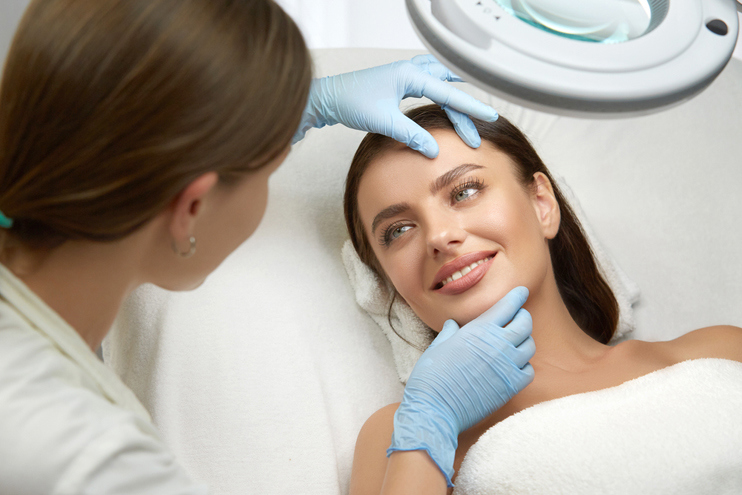
The clinic states that it carries out individualized pre-procedure consultations, limits surgeries to two per day, installs CCTV in all surgery and procedure rooms, and avoids unnecessary over-treatment.
Golden Balance Clinic is registered as a Medical Institution for Attracting Foreign Patients with the Republic of Korea's Ministry of Health and Welfare, under the Medical Overseas Expansion and Foreign Patients Attraction Act. That is a registration for treating international patients; it is not a facility accreditation.
English-language support is available through designated marketing, consultation, and global coordination staff, and the clinic names Scarlett Kim as its global coordinator, available from 10:00 to 20:00 KST.
Golden Balance Clinic is on the 12th floor of the Chunglim Building at 468 Gangnam-daero, Gangnam-gu, Seoul 06123, Republic of Korea. The clinic is open Monday to Sunday from 10:00 to 21:00 KST year-round, with a lunch break from 11:30 to 12:30 KST and last registration at 19:00 KST.
The clinic opened in 2000. The clinic states its philosophy as: "We are committed to personalized 1:1 treatment plans tailored to each patient's condition and prioritize safety above all else in every procedure."
If you are travelling for treatment, the NHS advises weighing potential savings against potential risks when considering a cosmetic procedure abroad, and recommends finding out in advance what happens if there are complications, where follow-up appointments will be, and how easily you could travel back if further treatment were needed. Those questions are worth asking before you book, not after.
The Bottom Line
Lifting and skin tightening at Golden Balance Clinic covers five routes: microfocused ultrasound lifting, radiofrequency skin tightening, laser and microwave-based lifting, absorbable thread lifting, and non-surgical nose thread lifting.
The treatments suit mild to moderate laxity. Significant sagging is generally beyond what non-surgical lifting can correct.
Non-surgical sessions commonly run 20–90 minutes, and mild redness or swelling usually settles within one to two weeks.
Initial change often appears within one to four weeks, with the lifting effect developing over four to eight weeks and energy-based results continuing for months.
Which route is appropriate is decided at consultation from skin condition, anatomy, medical history, expectations, and the area being treated.
Frequently Asked Questions
Am I a good candidate for lifting and skin tightening?
Adults with mild to moderate skin laxity or sagging who want firmer skin or better facial contours are the usual candidates. Whether a particular method suits you depends on your skin condition, the age-related changes present, your medical history, your expectations, and which treatment is being considered. The assessment at consultation settles this, and more than one route may be appropriate.
Is the treatment painful?
Discomfort varies by route. Energy-based procedures can cause warmth, tingling, or brief discomfort, and sensation is often stronger over bony areas. Thread lifting may cause pressure or soreness, and local anaesthesia or numbing cream is applied to reduce pain during the procedure.
What anaesthesia is used?
Non-surgical energy-based treatments may need no anaesthesia at all, or a topical numbing cream. Thread lifting commonly uses local anaesthesia, usually by injection and sometimes preceded by numbing cream. Surgical lifting may require local anaesthesia with sedation or general anaesthesia, depending on the operation and the patient.
How long should I stay in Korea?
For most lifting and skin tightening treatments, plan on roughly one to three days in Korea for consultation, treatment, and an initial follow-up. Thread procedures sit at the longer end of that range, since international patients commonly stay two to three days to complete the procedure and attend a follow-up before travelling home. The exact stay depends on the technique, the treated area, the anaesthesia used, and clinic protocol.
When can I fly home?
Most patients can travel after about one to three days, provided the treating clinician confirms they are fit to fly and no further monitoring is needed. After thread procedures, two to three days is the more usual figure, once initial swelling is under control and the follow-up assessment is done. More invasive lifting procedures may require a longer stay.
When will I see the final result?
Final results depend on which procedure you had. Energy-based treatments may show their full effect within roughly two to six months as collagen remodelling progresses. Thread-lifting results become clearer over several weeks as swelling settles, and surgical results can take three to six months or longer to stabilise.
What are the common side effects?
Temporary redness, swelling, tenderness, bruising, and sensitivity are the usual ones, and they generally resolve without treatment. Thread lifting can also cause temporary dimpling or tightness, and mild redness around the thread entry points. Surgical procedures involve more substantial swelling, bruising, and scarring.
What should I avoid before treatment?
Treatment is not carried out over active skin infection or significant irritation, so tell the clinic if anything has changed. Follow the advice you are given about alcohol, smoking, sun exposure, and any medication or supplement that can increase bleeding or bruising. Do not stop a prescribed medicine without medical advice.
Book a Consultation at Golden Balance Clinic
Lifting and skin tightening at Golden Balance Clinic in Gangnam-gu, Seoul begins with an assessment of your skin and contours and a discussion of which of the five routes, if any, fits what you want to change. Contact Golden Balance Clinic through the clinic contact page, by phone on +82-2-516-7148, or by email at info@goldenbalanceclinic.com. Treatment results from the clinic can be viewed in its before and after gallery.
Disclaimer
For informational purposes only. Individual results may vary depending on each patient's medical history, physical condition, anatomy, treatment plan, and recovery. The suitability of gynecological, aesthetic, dermatological, injectable, and other medical procedures should be determined through an individual consultation with a qualified medical professional. All treatments may involve potential risks, side effects, and recovery requirements, which should be discussed before treatment. Information provided by Golden Balance Clinic does not replace professional medical advice, diagnosis, or treatment. Results may vary and individual experiences may differ.
Sources & Further Reading
American Society for Dermatologic Surgery — definition and mechanism of non-invasive skin tightening, who it is not recommended for, and how long collagen-stimulating results take to appear
American Society of Plastic Surgeons — the listed risks of a thread lift
NHS — what to establish about complications, follow-up, and return travel before having a cosmetic procedure abroad
American Academy of Dermatology — daily broad-spectrum sunscreen of SPF 30 or higher, because sun exposure accelerates signs of ageing
Related Services
Procedures available within our clinical departments.
Eyebrow Semi-Permanent Makeup
Eyebrow semi-permanent makeup is a cosmetic tattooing procedure that deposits pigment into the skin to enhance eyebrow shape, definition, and color.
Learn More
Facial Contour Micropigmentation
Facial contour micropigmentation refers to depositing pigment into the skin to create or enhance selected facial features.
Learn More
Eyeliner & Eye Enhancement PMU
Eyeliner PMU is a cosmetic tattooing procedure that deposits pigment into the skin around the eyelids to create a longer-lasting eyeliner effect.
Learn More