Personalized Medical Care & Dedicated International Patient Concierge

Specialty Overview
Non-Surgical Intimate Rejuvenation
Non-surgical intimate rejuvenation is a group of treatments that address selected concerns about the appearance and condition of the female intimate area without an operation.
Schedule a ConsultationNon-Surgical Intimate Rejuvenation in Seoul, Korea

Medically reviewed by Dr. Jong-Yeol Kim, board-certified obstetrician-gynecologist, and Dr. Yu-Jin Oh, board-certified obstetrician-gynecologist
Golden Balance Clinic, Gangnam-gu, Seoul
Non-surgical intimate rejuvenation is a group of treatments that address selected concerns about the appearance and condition of the female intimate area without an operation. The category brings together vaginal laser treatment, injectable fillers for the external labia, moisturizing injections, thread-based lifting and brightening of intimate and areola skin. Which of these is appropriate for a particular person — and whether any of them is — depends on what is actually causing the concern, and that question is settled by assessment rather than by preference.
What Is Non-Surgical Intimate Rejuvenation?
Non-surgical intimate rejuvenation describes non-operative treatments designed to address selected concerns related to the appearance and condition of the female intimate area, with the options varying according to individual needs. The umbrella term is useful for navigation, but it is not a single treatment: the procedures grouped under it differ in what they do, how strong the supporting evidence is, and what can go wrong.
Treatments are delivered in a clinic setting rather than an operating theatre, and a session generally runs about 20 to 60 minutes depending on which one is performed.
Anesthesia depends on the treatment. Topical or local anesthetic may be used; thread lifting is performed under intravenous sedation.
Two broad mechanisms are involved: energy applied to tissue, and material injected or inserted into tissue. They carry different risk profiles and are not interchangeable.
The concerns that bring patients here commonly include vaginal dryness, a perceived sense of laxity, changes associated with childbirth or ageing, and the volume of the labia majora.
Benefit is partly subjective and varies in degree and duration. Claims of guaranteed tightening, permanent rejuvenation, improved sexual satisfaction or risk-free treatment are not supported.
Who Performs Non-Surgical Intimate Rejuvenation at Golden Balance Clinic
|
|
Dr. Jong-Yeol Kim | Dr. Yu-Jin Oh |
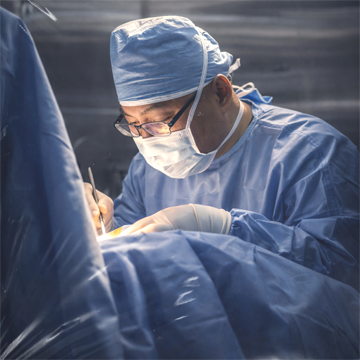
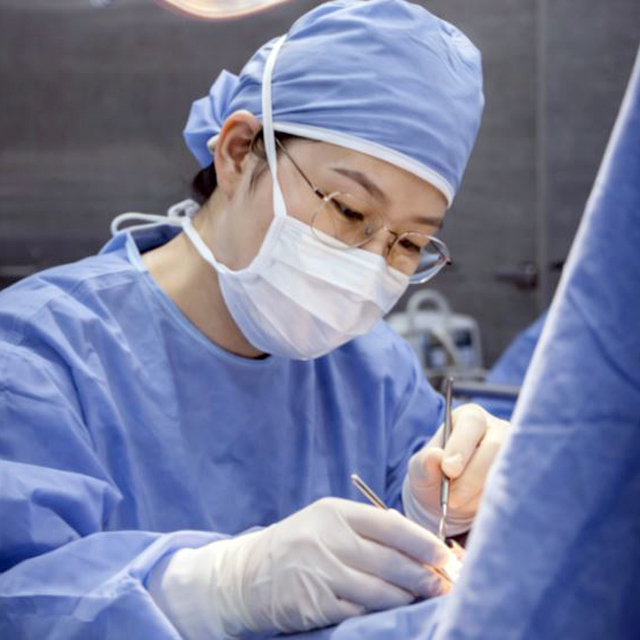
Treatment here is led by the clinic's two obstetrician-gynecologists, which matters because the first task is usually diagnostic rather than cosmetic: deciding whether a symptom has a cause an aesthetic procedure would not address.
Dr. Jong-Yeol Kim is the Medical Director of Golden Balance Clinic and a board-certified obstetrician-gynecologist with 30 years of experience. He graduated from Hallym University College of Medicine and completed his internship and residency training in obstetrics and gynecology at Hallym University Sacred Heart Hospital. He is a regular member of the Korean Society of Obstetrics and Gynecology.
Dr. Yu-Jin Oh is a Director and a board-certified obstetrician-gynecologist with 23 years of experience. She graduated from Jeonbuk National University Medical School, completed her internship at Samsung Medical Center Cheil General Hospital, and completed residency training in obstetrics and gynecology at Samsung Medical Center Kangbuk Samsung Hospital. She is a member of the Korean Society of Obstetrics and Gynecology, the Korean Academy of Functional Medicine, and the Korean Society of Medical Aesthetics and Dermatology.
Both doctors work to the same sequence here: review the symptom history before discussing any device or product, examine the area where appropriate, and separate concerns with a treatable medical cause from concerns that are about appearance. Dr. Kim and Dr. Oh decide whether a requested treatment is suitable, and a consultation that ends in a recommendation against treatment is a normal outcome, not a failed appointment.
Non-Surgical Intimate Rejuvenation Options Available
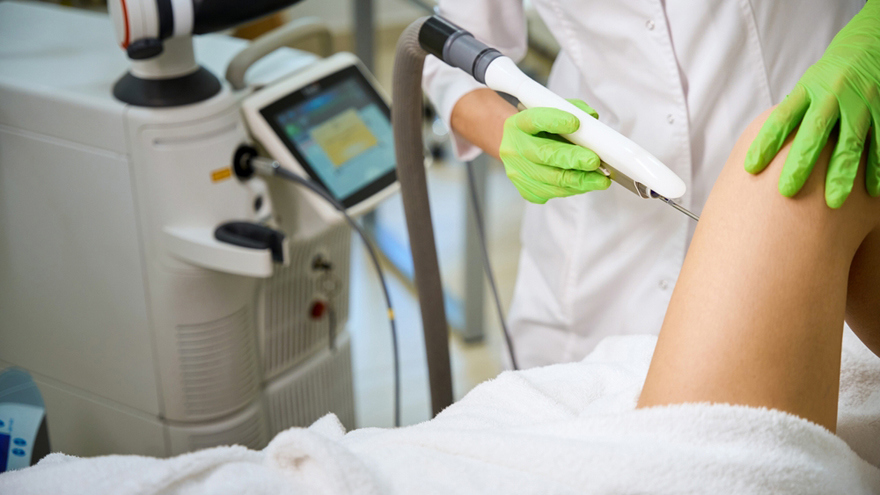
Six treatments sit under this heading at the clinic. The table summarises what each is directed at and how long a session takes; the detail that matters for a decision is covered in the sections that follow.
Treatment | Directed at | Delivered by | Typical session |
|---|---|---|---|
Vaginal laxity and certain vaginal symptoms | Laser energy applied to vaginal tissue | 15–30 minutes | |
Volume in selected areas of the genital region | Injectable filler | 15–30 minutes | |
Reduced fullness of the outer folds of the vulva | Injectable filler; hyaluronic acid is one material described in the literature | 15–30 minutes | |
Perceived vaginal laxity | Fine gold threads inserted into selected tissues, under intravenous sedation | 30–45 minutes | |
Vaginal or vulvovaginal dryness | Injectable material placed to support tissue hydration | 20–30 minutes | |
Pigmentation in intimate areas and around the areolas | Topical brightening agents, selected chemical peels, or certain energy-based treatments | 15–45 minutes |
Two distinctions in that table are often blurred elsewhere. The first is between filler placed in the external labia majora and injection into the vaginal canal: not the same procedure, and which is appropriate depends on anatomy, goals and clinical assessment. The second is between treatments aimed at dryness and treatments aimed at laxity. Dryness often has an identifiable cause that responds to established medical treatment, and reaching for a cosmetic energy-based procedure instead can mean treating the symptom while the cause goes unexamined. Pigmentation deserves the same care: skin colour comes from a pigment called melanin, and, as MedlinePlus explains, pregnancy and sun exposure are among the things that can make skin darker. Darker skin in intimate areas is frequently a normal variation rather than a problem.
The evidence base is not uniform across these six. For cosmetic vaginal tightening with laser, safety and effectiveness have not been established sufficiently to support routine claims of benefit, and the published work on gold thread lifting in this region consists of small studies with short follow-up that cannot show how long any effect lasts. NICE encourages further research into transvaginal laser therapy for urogenital atrophy, and states that such research should take the form of appropriately powered randomised controlled trials reporting long-term safety and efficacy including patient-reported outcomes. That is the position a consultation here should start from.
Surgical approaches to the vulva and vagina — labiaplasty, vaginoplasty and related operations — are different interventions with different indications, risks and recovery, and they can be raised at consultation if a non-surgical option is not the right fit.
Who Is a Good Candidate for Non-Surgical Intimate Rejuvenation?
Adults whose concern has been assessed by a clinician, so that dryness, pain during intercourse, urinary symptoms or a change in genital appearance has been traced to a cause first.
People for whom the benefits, risks and evidence of a specific procedure suit their individual situation — suitability is decided treatment by treatment, not for the category.
Adults concerned about reduced external labial volume who understand the expected cosmetic change, its limitations and its risks.
Adults with persistent vaginal or vulvovaginal dryness who have had a gynecological assessment and are considered suitable for the specific product proposed.
Adults with stable, benign pigmentation in the area concerned, where skin condition, skin tone, medical history and sensitivity support the proposed method.
People with realistic expectations, including that evidence for several of these treatments is limited and that a particular appearance or perfect symmetry cannot be guaranteed.
Treatment is postponed or declined in a number of situations. Unexplained genital pain or bleeding, suspected infection, untreated lesions and any symptom that calls for diagnostic evaluation are assessed first. Allergies, unsuitable anatomy, pregnancy, breastfeeding, bleeding disorders, impaired wound healing, relevant metal sensitivity and medications or conditions that raise procedural risk all require individualized assessment, and some point toward a different approach altogether. For brightening, active skin infection, irritation, open wounds or inflammation in the area mean waiting, and unexplained or changing pigmentation needs dermatological assessment first.
What to Expect: Procedure, Recovery, and Results Timeline
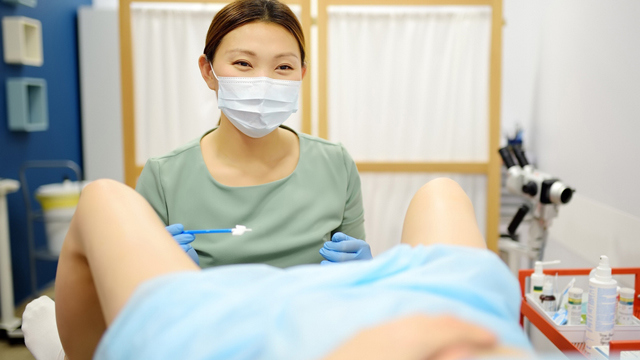
The consultation reviews symptoms, medical and gynaecological history, childbirth history, medications, allergies and expectations. An appropriate examination is performed, and possible underlying causes — infection, hormonal change, pelvic-floor dysfunction or another condition — are assessed. Established alternatives, the limits of the evidence and the potential complications are discussed before a plan is confirmed.
Preparation is mostly disclosure. Tell the clinician about all medicines and supplements, allergies, any possibility of pregnancy, infections and previous intimate procedures, and report unexplained bleeding, discharge, genital lesions or significant pain. Follow the clinic's instructions on hygiene, medication and sexual activity beforehand, and do not stop a prescribed medicine without medical advice. If sedation is planned for thread lifting, the instructions also cover food and drink restrictions and transport afterwards. On the day the pathway is consistent across the group: assessment, confirmation of the plan, cleansing of the area, application of the chosen device or injectable product, then post-treatment instructions.
Stage | What is typical |
|---|---|
Procedure | About 20–60 minutes per session across the category |
Immediate aftermath | Temporary discomfort, tenderness, swelling, redness, bruising or discharge |
Recovery | 1–2 weeks overall, depending on the procedure and individual healing |
After laser treatment | Mild discomfort usually settles within about 1 week, with normal activities generally resumed |
After filler | Swelling and bruising usually improve within 1–2 weeks |
After thread lifting | Initial recovery within 1–2 weeks, gradual healing over 4–6 weeks |
After brightening | Redness or sensitivity settles within about 1 week; skin recovery may take 1–2 weeks |
Results | 2–8 weeks, with duration varying by treatment type and individual response |
Within that range the pattern differs by treatment. Volume change from filler in the labia majora is visible straight away and settles over about 2 to 4 weeks, although early swelling affects how it looks at first, and the result may last several months to over a year depending on the product and individual factors. Laser-related effects develop more slowly, with initial change around 2 to 4 weeks and further development over 4 to 8 weeks. Improvement after a moisturizing injection, and the first signs of brightening, are typically judged at 2 to 4 weeks. For gold thread lifting the available preliminary work assessed outcomes at one to three months and does not establish how long any effect persists.
Aftercare is treatment-specific and should come from the treating clinician rather than a general schedule. Temporary restrictions may apply to sexual intercourse, tampon or product insertion, exercise and other activities. After brightening, friction, harsh cleansers, exfoliants and fragranced products are avoided until the skin has recovered. Seek prompt medical assessment for increasing pain, worsening swelling, fever, spreading redness, skin discoloration, heavy bleeding or any other concerning symptom, wherever you are.
Risks differ by mechanism and should be read before, not after. Energy-based treatment may cause discomfort, discharge, burns, scarring or persistent pain, including pain during sexual intercourse. Fillers may cause swelling, bruising, tenderness, infection, lumps, asymmetry, product displacement, inflammatory or allergic reactions and dissatisfaction, and serious complications are possible. Thread lifting may cause pain, infection, inflammation, foreign-body reaction, thread visibility or displacement, scarring, altered sensation and tissue injury. Chemical peels and energy-based brightening may cause burns, blistering, scarring, infection or uneven pigmentation if an unsuitable method or setting is used, particularly in more deeply pigmented skin.
Combining Non-Surgical Intimate Rejuvenation with Other Treatments
Combinations are individualized. There is no standard protocol, and whether two treatments can sensibly be done together depends on the indication, infection risk, tissue healing and the compatibility of the treatments.
Energy-based treatment such as laser or radiofrequency may be considered alongside pelvic floor muscle training or physiotherapy where that fits the assessment.
Injectable treatments may be considered alongside other approaches when a clinician judges it appropriate.
Gold thread lifting may be discussed alongside physiotherapy or separate treatment for dryness. Combining it routinely with vaginal laser, radiofrequency, injectables or surgery is not supported — evidence on those combinations is limited.
Intimate and areola brightening can be discussed together when both areas are suitable; adding other intimate cosmetic procedures calls for its own assessment.
Safety, Precision, and Clinic Standards

The clinic states that it carries out individualized pre-procedure consultations, limits surgeries to two per day, installs CCTV in all surgery and procedure rooms, and avoids unnecessary over-treatment.
Golden Balance Clinic is registered as a Medical Institution for Attracting Foreign Patients with the Republic of Korea's Ministry of Health and Welfare, under the Medical Overseas Expansion and Foreign Patients Attraction Act. That is a registration for treating international patients; it is not a facility accreditation.
English-language support is available through designated marketing, consultation, and global coordination staff, and the clinic names Scarlett Kim as its global coordinator, available from 10:00 to 20:00 KST.
Golden Balance Clinic is on the 12th floor of the Chunglim Building at 468 Gangnam-daero, Gangnam-gu, Seoul 06123, Republic of Korea. The clinic is open Monday to Sunday from 10:00 to 21:00 KST year-round, with a lunch break from 11:30 to 12:30 KST and last registration at 19:00 KST.
One piece of general guidance is worth holding alongside those practices. The NHS advises that all cosmetic procedures carry some risk, whether surgical or non-surgical, that they can lead to serious complications if not done correctly, and that anyone considering one should be offered a cooling-off period after a consultation. It also suggests asking the practitioner about the procedure, the products used, and what could go wrong — questions a consultation should welcome rather than deflect.
The Bottom Line
This is a category, not a procedure: six treatments with different mechanisms, different risks and very different levels of supporting evidence.
The first step is diagnostic. Dryness, discomfort, urinary symptoms or a change in appearance are assessed for a cause before elective cosmetic treatment.
Sessions run roughly 20 to 60 minutes, recovery usually spans 1 to 2 weeks, and results are generally judged between 2 and 8 weeks.
For cosmetic vaginal tightening by laser and for gold thread lifting, the evidence is limited and results cannot be guaranteed.
The assessment and the treatment decision sit with two board-certified obstetrician-gynecologists, Dr. Jong-Yeol Kim and Dr. Yu-Jin Oh.
Frequently Asked Questions

How do I know which of these treatments, if any, is right for me?
You will not know from a website, and that is the point of the assessment. A clinician identifies what is causing the concern — dryness, a perceived change in laxity, loss of external volume, pigmentation — before matching it to a treatment. A non-surgical procedure is considered only when its benefits, risks and evidence line up with your individual situation.
Is the treatment painful?
Discomfort depends on which treatment is performed. Vaginal laser treatment may produce mild warmth, pressure or tenderness; fillers and moisturizing injections can cause stinging, soreness, swelling or bruising. Thread lifting involves more discomfort and is carried out under intravenous sedation.
How long should I plan to stay in Korea?
For an uncomplicated laser treatment or injection, roughly 1 to 3 days may be enough for the procedure itself — a preliminary planning figure rather than a schedule. After filler or thread lifting, confirm the timing of your flight with the treating clinician, based on what was performed and how you are doing.
When will I see the final result?
The timeline depends on the treatment. Volume change from filler is visible early but is affected by initial swelling, so the settled appearance takes a few weeks. Laser-related effects develop gradually. Across the category, results are generally assessed between 2 and 8 weeks, and duration varies by individual response.
Can these treatments fix vaginal dryness?
Not always, and not in isolation. Dryness has causes that need identifying first — the NHS lists menopause, pregnancy and breastfeeding, certain medicines including hormonal contraceptives and antidepressants, hysterectomy and cancer treatments among them. MedlinePlus explains that when estrogen levels drop the tissues of the vagina gradually shrink and become thinner, causing dryness and inflammation. Where a hormonal cause is found, established medical treatment may be more appropriate than a cosmetic energy-based procedure.
Who should postpone treatment?
Anyone with unexplained genital pain or bleeding, a suspected infection, unexplained lesions, or symptoms needing diagnostic evaluation should be assessed before any elective treatment. Relevant allergies, unsuitable anatomy, or conditions that increase procedural risk may mean a different approach is advised. Pregnancy, breastfeeding, bleeding risk and current medications are reviewed individually.
What do I do if something looks wrong after I fly home?
Contact the clinic rather than waiting for your next visit. If a symptom is severe — significant pain, fever, heavy bleeding, spreading redness or skin discoloration — seek local medical assessment immediately, and contact the clinic as well. The two are not alternatives.
Book a Consultation at Golden Balance Clinic
If you are considering non-surgical intimate rejuvenation in Seoul, the useful first step is an assessment rather than a booked procedure. You can also look through the clinic's before and after gallery while you are deciding.
Contact Golden Balance Clinic through the clinic contact page, by phone on +82-2-516-7148, or by email at info@goldenbalanceclinic.com.
Disclaimer
For informational purposes only. Individual results may vary depending on each patient's medical history, physical condition, anatomy, treatment plan, and recovery. The suitability of gynecological, aesthetic, dermatological, injectable, and other medical procedures should be determined through an individual consultation with a qualified medical professional. All treatments may involve potential risks, side effects, and recovery requirements, which should be discussed before treatment. Information provided by Golden Balance Clinic does not replace professional medical advice, diagnosis, or treatment. Results may vary and individual experiences may differ.
Sources & Further Reading
NHS — causes of vaginal dryness.
MedlinePlus — falling estrogen and vaginal tissue change.
NICE — transvaginal laser therapy for urogenital atrophy.
NHS — what to consider before a cosmetic procedure.
MedlinePlus — skin pigmentation disorders.
Related Services
Procedures available within our clinical departments.
Eyebrow Semi-Permanent Makeup
Eyebrow semi-permanent makeup is a cosmetic tattooing procedure that deposits pigment into the skin to enhance eyebrow shape, definition, and color.
Learn More
Facial Contour Micropigmentation
Facial contour micropigmentation refers to depositing pigment into the skin to create or enhance selected facial features.
Learn More
Eyeliner & Eye Enhancement PMU
Eyeliner PMU is a cosmetic tattooing procedure that deposits pigment into the skin around the eyelids to create a longer-lasting eyeliner effect.
Learn More