Personalized Medical Care & Dedicated International Patient Concierge

Specialty Overview
Pelvic Floor & Urinary Health
Pelvic floor and urinary health care is the assessment and treatment of urine leakage, sudden urinary urgency, frequent urination, and pelvic floor muscle dysfunction.
Schedule a ConsultationPelvic Floor & Urinary Health Care in Seoul, South Korea
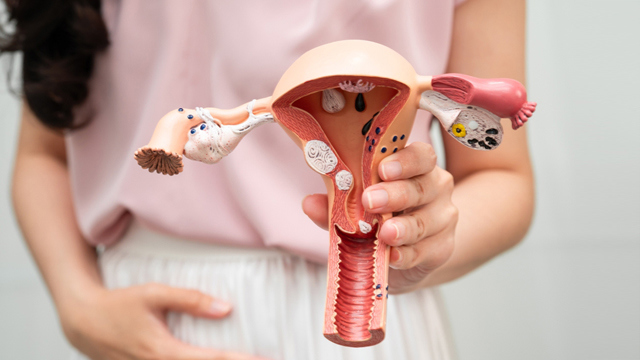
Medically reviewed by Dr. Jong-Yeol Kim, board-certified obstetrician-gynecologist, and Dr. Yu-Jin Oh, board-certified obstetrician-gynecologist Golden Balance Clinic, Gangnam-gu, Seoul
Pelvic floor and urinary health care is the assessment and treatment of urine leakage, sudden urinary urgency, frequent urination, and pelvic floor muscle dysfunction. Depending on what the assessment finds, care may involve changes to daily habits, pelvic floor exercises, medication, injections, non-surgical stimulation, or surgery. At Golden Balance Clinic in Gangnam-gu, Seoul, this area of practice also covers pain during or after intercourse, difficulty emptying the bladder, and weakened support for the pelvic organs.
What Is Pelvic Floor & Urinary Health?
Pelvic floor and urinary health is the field that diagnoses why the bladder, the urethra, and the muscles that support them are not working as they should, and then matches a treatment to that specific diagnosis rather than to the symptom alone.
The symptoms it addresses include leaking urine when you cough, sneeze, lift, or exercise; urges that arrive suddenly and are hard to postpone; frequent daytime urination; waking at night to urinate; a weak or interrupted stream; and the sense that the bladder has not fully emptied.
It also addresses the muscular side of the pelvis: pain during or after intercourse, pain on vaginal penetration, involuntary tightening of the pelvic floor muscles, and persistent pelvic pain.
Weakened pelvic support belongs to the same field. When muscles, ligaments, and connective tissue lose strength, the result can be pelvic pressure, a sensation of vaginal bulging, and related bladder or bowel symptoms.
Treatment is tiered. Behavioral measures and pelvic floor muscle training come first for many diagnoses, with medication, injections, non-surgical stimulation, and surgery held for cases where they are indicated.
Not every patient needs every test, and not every patient with pelvic floor symptoms needs an operation.
Who Performs Pelvic Floor & Urinary Health at Golden Balance Clinic
|
|
Dr. Jong-Yeol Kim | Dr. Yu-Jin Oh |


Two board-certified obstetrician-gynecologists at Golden Balance Clinic review and oversee this area of care. Dr. Jong-Yeol Kim is the Medical Director of Golden Balance Clinic and a board-certified obstetrician-gynecologist with 30 years of experience. He graduated from Hallym University College of Medicine and completed his internship and residency training in obstetrics and gynecology at Hallym University Sacred Heart Hospital. He is a regular member of the Korean Society of Obstetrics and Gynecology.
Dr. Yu-Jin Oh is a Director and a board-certified obstetrician-gynecologist with 23 years of experience. She graduated from Jeonbuk National University Medical School, completed her internship at Samsung Medical Center Cheil General Hospital, and completed residency training in obstetrics and gynecology at Samsung Medical Center Kangbuk Samsung Hospital. She is a member of the Korean Society of Obstetrics and Gynecology, the Korean Academy of Functional Medicine, and the Korean Society of Medical Aesthetics and Dermatology.
Because this field spans conservative therapy, injections, and operations, Dr. Kim and Dr. Oh work within the clinic's stated approach of building an individual plan for each patient rather than applying one protocol to everyone with the same complaint.
Pelvic Floor & Urinary Health Options Available
Five services sit under this specialty at Golden Balance Clinic. They are not interchangeable: each one answers a different diagnosis, and the consultation exists to establish which of them, if any, fits.
Service | What it addresses | Typical procedure duration | Anesthesia |
|---|---|---|---|
Pain during or after intercourse, painful penetration, persistent pelvic pain | Initial assessment up to 60 minutes, then roughly 6–12 therapy sessions | Not needed | |
High-tone pelvic floor dysfunction, myofascial pelvic pain, difficulty relaxing the pelvic floor | Approximately 15–30 minutes | Local | |
Stress, urge, or mixed leakage; urgency, frequency, nighttime urination, incomplete emptying | 1–2 hours | Local | |
Persistent stress urinary incontinence that has not improved with appropriate non-surgical treatment | Approximately 30 minutes to 2 hours | General or spinal for sling procedures | |
Diagnosed pelvic organ prolapse or pelvic support defects affecting daily life | 1–3 hours | General, spinal, or epidural |
Urinary Incontinence & Voiding Dysfunction Care is the broadest entry point, since it covers both leakage and the opposite problem of difficulty emptying. Urinary Incontinence Surgery aims to reduce involuntary leakage by improving support around the urethra; at this clinic a medical sling, or tape, is inserted under the urethra so that urine does not escape when abdominal pressure rises, and the method chosen varies with the type and severity of incontinence. Pelvic Floor Reconstruction is a group of operations that restore support to the pelvic organs, repairing the front or back vaginal wall, supporting the top of the vagina, or correcting prolapse.
Who Is a Good Candidate for Pelvic Floor & Urinary Health?

People with stress, urge, or mixed urinary incontinence, or with pelvic floor dysfunction confirmed through clinical assessment.
People who leak urine during coughing, sneezing, exercise, or lifting, who experience sudden urges that are difficult to control, or who have frequent daytime urination, nighttime urination, or difficulty emptying the bladder.
People with recurrent or persistent pain during or after intercourse, painful vaginal penetration, involuntary pelvic floor tightening, or chronic pelvic pain.
People with confirmed high-tone pelvic floor dysfunction or myofascial pelvic pain that has not improved sufficiently with conservative treatment such as pelvic floor physical therapy, for whom pelvic floor injections may be discussed.
People with bothersome stress urinary incontinence whose diagnosis matches a surgical treatment and who have already tried appropriate non-surgical care.
People with clinically diagnosed pelvic organ prolapse or pelvic support defects whose symptoms interfere with daily activities and for whom surgery is appropriate.
Candidacy is never settled by symptoms alone. Medical history, severity, previous response to treatment, general health, prior operations, treatment preferences, and plans for future pregnancy all shape the recommendation.
Investigation comes first for anyone with an active urinary infection, unexplained blood in the urine, urinary retention, sudden or severe pelvic pain, fever, a suspected infection, a possible pregnancy-related complication, or another untreated medical problem.
Injections are ruled out by an active infection at the injection site, certain neuromuscular disorders, or relevant medication interactions; pregnancy and breastfeeding should be discussed with the treating clinician because safety data are limited.
Surgery may be inappropriate where symptoms are better managed without it, and patients with mild prolapse symptoms may do better with pelvic floor muscle training or a pessary. These are not universal exclusion lists — the specialist assesses each case.
What to Expect: Procedure, Recovery, and Results Timeline
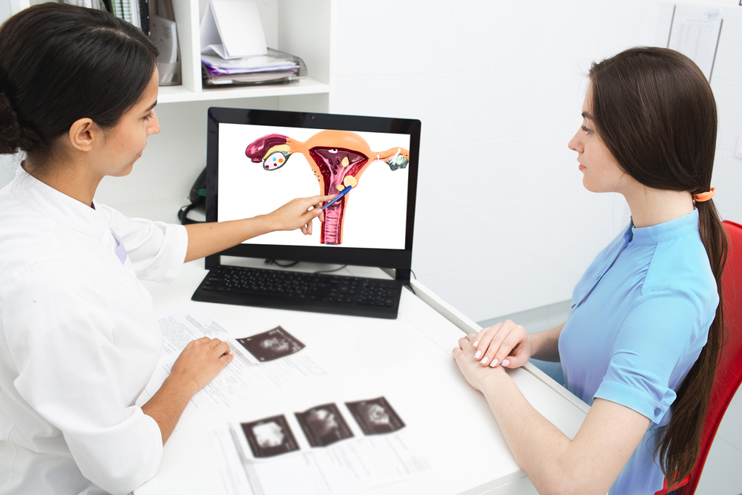
The first visit is a conversation about symptoms and goals. The clinician reviews medical and surgical history, current medicines, fluid intake, urinary habits, and the circumstances in which leakage or pain occurs. A physical or pelvic examination may be offered with your consent. Assessment may include urinalysis, a bladder diary, measurement of urine remaining after voiding, and urine-flow testing, with urodynamic testing, imaging, or cystoscopy in selected cases. For pain-related complaints, the clinician reviews the location, timing, severity, and duration of the pain, and testing may include ultrasound or infection testing. Not every patient needs every test.
The sequence that follows is the same across the specialty: discuss symptoms and goals, complete the examinations considered necessary, confirm the diagnosis and treatment options, carry out the selected therapy if it is appropriate, then receive aftercare instructions and attend follow-up. The detail inside that sequence differs considerably between a course of pelvic floor physical therapy, an injection session, and an operation.
Preparation also depends on the route. Bring a record of your symptoms, current medicines and supplements, allergies, previous pelvic or urinary procedures, and relevant medical conditions. A bladder diary covering about two to three days may be requested. Tell the clinician about blood thinners and never stop a prescribed medicine without medical advice. Fasting and medication adjustments depend on the anesthesia and the procedure, so follow the instructions you are given rather than one set of rules for every service.
Stage | Expected timing |
|---|---|
Recovery, non-surgical care | Typically 0–3 days; pelvic floor physical therapy is generally day 1–3 |
Recovery, pelvic floor injections | Most patients resume routine activities within 1–2 days, depending on technique and anesthesia |
Recovery, incontinence surgery | Full recovery approximately 4–6 weeks |
Recovery, pelvic floor reconstruction | Initial recovery around 1–2 weeks |
First improvement | Initial improvement may be noticed within 4–6 weeks for the specialty overall |
Results after injections | Improvement may be assessed within 2–6 weeks |
Results after surgery | Results assessment at 4–6 weeks for incontinence surgery; initial results within 2–6 weeks after reconstruction |
Visits | 1–2 visits after the procedure for the specialty overall; approximately two visits for incontinence and voiding care |
Aftercare also matches the treatment. For conservative care, keep to the prescribed exercise plan, avoid intimate products that irritate, and use lubricants where dryness is the issue. Do not restrict fluids heavily without medical advice. After an operation, follow the wound-care, hygiene, activity, medication, and follow-up instructions, avoid heavy lifting and strenuous activity for the period your surgeon specifies, avoid straining, and wait for the surgeon's confirmation before resuming intercourse. Seek prompt assessment for fever, heavy bleeding, worsening pain, inability to urinate, new difficulty with bowel control, or signs of infection, and urgent care for chest pain or shortness of breath after surgery.
Realistic expectations matter here more than in most fields. Treatment may reduce leakage, urgency, frequency, nighttime waking, pelvic muscle tightness, pelvic pressure, or vaginal bulging. It cannot be promised to end symptoms completely or permanently. Prolapse can recur, some patients develop new urinary symptoms or pain during intercourse after reconstruction, and some conditions need ongoing management. Risks differ by treatment: conservative therapy asks for sustained effort, medication can cause side effects, injections may cause injection-site pain, bruising, temporary muscle weakness, or changes in bladder or bowel function, and surgery can involve bleeding, infection, pain, difficulty emptying the bladder, temporary catheter use, injury to nearby organs, persistent leakage, blood clots, and, where mesh is used, mesh exposure or erosion.
Combining Pelvic Floor & Urinary Health with Other Treatments
Behavioral change, pelvic floor therapy, and medication are often combined, since they act on different parts of the same problem.
Bladder training and pelvic floor muscle training may be paired with lifestyle adjustments when the diagnosis supports it.
Pelvic floor injections may be used alongside physical therapy and a home relaxation programme rather than as a standalone cure.
A care plan for pelvic pain may combine physical therapy, medication, home exercises, and counselling, and more than one specialist may be involved.
A continence operation is sometimes considered alongside prolapse surgery when both conditions are present; combining or staging them is a discussion to have with the specialist.
Other combinations should not be assumed — they require a clear clinical indication and an individual risk assessment.
Safety, Precision, and Clinic Standards
The clinic states that it carries out individualized pre-procedure consultations, limits surgeries to two per day, installs CCTV in all surgery and procedure rooms, and avoids unnecessary over-treatment. Golden Balance Clinic is registered as a Medical Institution for Attracting Foreign Patients with the Republic of Korea's Ministry of Health and Welfare, under the Medical Overseas Expansion and Foreign Patients Attraction Act. That is a registration for treating international patients; it is not a facility accreditation. English-language support is available through designated marketing, consultation, and global coordination staff, and the clinic names Scarlett Kim as its global coordinator, available from 10:00 to 20:00 KST.
Golden Balance Clinic is on the 12th floor of the Chunglim Building at 468 Gangnam-daero, Gangnam-gu, Seoul 06123, Republic of Korea. The clinic is open Monday to Sunday from 10:00 to 21:00 KST year-round, with a lunch break from 11:30 to 12:30 KST and last registration at 19:00 KST. The clinic opened in 2000. The clinic states its philosophy as: "We are committed to personalized 1:1 treatment plans tailored to each patient's condition and prioritize safety above all else in every procedure."
For surgical care specifically, risk is reduced through thorough preoperative assessment, appropriate diagnostic testing, careful selection of the surgical technique, sterile procedures, suitable anesthesia, and postoperative monitoring. Following aftercare instructions and attending follow-up appointments helps identify complications early.
The Bottom Line
This specialty treats four related problems: urine leakage and urgency, difficulty emptying the bladder, pelvic and intercourse-related pain, and weakened pelvic support.
Five services sit under it, from pelvic floor physical therapy and injections through to incontinence surgery and pelvic floor reconstruction.
The diagnosis decides the treatment. Conservative care is generally considered before surgery, and persistent symptoms are what prompt further assessment.
Recovery ranges from 0–3 days for non-surgical care to roughly 4–6 weeks after incontinence surgery, with initial improvement often visible within 4–6 weeks.
Improvement is realistic; a guaranteed or permanent cure is not, and some conditions need ongoing management.
Frequently Asked Questions
Can I be assessed and treated during one short trip to Seoul?
It depends entirely on which service you need. A consultation, tests, or non-surgical treatment under this specialty generally means a stay of roughly one to two days, and most patients can fly home after that once their doctor confirms they are fit to travel. Pelvic pain treatment, injections, and incontinence or voiding care usually call for about two to three days, incontinence surgery for seven to fourteen days, and pelvic floor reconstruction for ten to fourteen days. Plan the longer stay if surgery is a realistic possibility.
How much of this will hurt?
That varies with the treatment chosen. Pelvic floor physical therapy and pelvic examination may cause temporary discomfort. Injections into the pelvic floor can involve brief needle pain, pressure, or soreness, depending on the technique and the anesthesia used. Operations are carried out under anesthesia, so pain during surgery is controlled, and mild soreness afterwards is usually managed with prescribed pain relief — after a mid-urethral sling procedure, pain relief may be needed for the first week.
What kind of anesthesia is involved?
Across the specialty, local, regional, or general anesthesia may be used, depending on what is being done. Assessment and treatment for pelvic pain generally need no anesthesia at all. Pelvic floor injections and incontinence and voiding care use local anesthesia. Sling procedures for incontinence may use general or spinal anesthesia, and pelvic floor reconstruction may use general, spinal, or epidural anesthesia.
When will I know whether it has worked?
Initial improvement across this specialty may be noticed within four to six weeks. After pelvic floor injections, the effect may begin within several days and develop more fully over roughly one to two weeks, with improvement assessed at two to six weeks. After incontinence surgery, results are assessed at four to six weeks and the final outcome around six to twelve weeks. After pelvic floor reconstruction, initial results may appear within two to six weeks and the final outcome is generally assessed around three to six months.
What should I bring or do before my first appointment?
Bring a written record of your symptoms, including when they started, together with your current medicines and supplements, your allergies, any previous pelvic or urinary procedures, and your relevant medical history. If the clinician has asked for one, keep a bladder diary for about two to three days noting fluid intake, urination, leakage, and urgency. Ask in advance whether urine testing, an examination, or imaging will be needed, and follow any fasting or medication instructions you are given.
Which side effects are common rather than rare?
Common effects depend on the procedure. After incontinence surgery, temporary pain, soreness, bruising, mild bleeding, discomfort when urinating, urinary tract infection, and difficulty emptying the bladder are recognised possibilities, while bleeding, injury to nearby organs, and mesh exposure where a synthetic mesh sling is used are less common. After pelvic floor injections, temporary soreness, bruising, or minor bleeding at the injection sites may occur, with temporary changes in bladder or bowel control depending on the muscles treated. After reconstruction, temporary pelvic pain, swelling, vaginal bleeding or discharge, and fatigue may occur.
Can this care be delivered in English?
Yes. International patients can have their pelvic floor and urinary health consultations in English at Golden Balance Clinic, which has designated staff for consultation and global coordination and names Scarlett Kim as its global coordinator.
Book a Consultation at Golden Balance Clinic
If urine leakage, urgency, difficulty emptying your bladder, pelvic pain, or pelvic pressure is affecting daily life, a consultation in Gangnam-gu, Seoul, establishes which of these five services, if any, fits your diagnosis. Images published by the clinic are collected in its before and after gallery.
Contact Golden Balance Clinic through the clinic contact page, by phone on +82-2-516-7148, or by email at info@goldenbalanceclinic.com.
Disclaimer
For informational purposes only. Individual results may vary depending on each patient's medical history, physical condition, anatomy, treatment plan, and recovery. The suitability of gynecological, aesthetic, dermatological, injectable, and other medical procedures should be determined through an individual consultation with a qualified medical professional. All treatments may involve potential risks, side effects, and recovery requirements, which should be discussed before treatment. Information provided by Golden Balance Clinic does not replace professional medical advice, diagnosis, or treatment. Results may vary and individual experiences may differ.
Sources & Further Reading
NHS — the types of urinary incontinence: stress, urge, overflow, total, and mixed.
NHS — bladder diary, dipstick test, residual urine test, cystoscopy, and urodynamic tests.
NHS — sling surgery, colposuspension, urethral bulking agents, and the complications reported after vaginal mesh surgery.
NHS — prolapse as the womb, bladder, or bowel bulging into the vagina, with pessaries, pelvic floor muscle training, and surgery among the treatments.
NHS — involuntary tightening of the vaginal muscles on attempted penetration, and the pelvic floor exercises, relaxation techniques, and vaginal trainers used to treat it.
National Institute of Diabetes and Digestive and Kidney Diseases — pelvic floor muscle training strengthens the muscles supporting the bladder, rectum, and uterus, and bladder control may not improve until after three to six weeks.
MedlinePlus — the pelvic floor as a group of muscles forming a sling across the pelvis, and the symptoms that follow when it is weakened or injured.
Related Services
Procedures available within our clinical departments.
Eyebrow Semi-Permanent Makeup
Eyebrow semi-permanent makeup is a cosmetic tattooing procedure that deposits pigment into the skin to enhance eyebrow shape, definition, and color.
Learn More
Facial Contour Micropigmentation
Facial contour micropigmentation refers to depositing pigment into the skin to create or enhance selected facial features.
Learn More
Eyeliner & Eye Enhancement PMU
Eyeliner PMU is a cosmetic tattooing procedure that deposits pigment into the skin around the eyelids to create a longer-lasting eyeliner effect.
Learn More