Personalized Medical Care & Dedicated International Patient Concierge

Dermatology & Laser Treatments · Consultation Required
Acne Scar & Pore Treatment
Acne scar and pore treatment in Seoul is a customised skin-treatment plan intended to reduce the appearance of acne scars, improve uneven skin texture and make enlarged pores less noticeable.
Schedule a ConsultationAcne Scar and Pore Treatment in Seoul, Republic of Korea

Medically reviewed by Dr. Eun-Young Kwak, MD, graduate of Yonsei University College of Medicine, and Dr. Yu-Jin Oh, board-certified obstetrician-gynecologist Golden Balance Clinic, Gangnam-gu, Seoul
Acne scar and pore treatment in Seoul is a customised skin-treatment plan intended to reduce the appearance of acne scars, improve uneven skin texture and make enlarged pores less noticeable. Depending on the skin and the scar type, the plan may involve microneedling, laser resurfacing, chemical peels or a combination of techniques. The subject here is the surface that acne left behind, not the acne itself.
What Is Acne Scar & Pore Treatment?
Because an acne scar is a shape rather than a blemish, the plan is built around identifying which shapes are present and treating each one in the way that shape responds to.
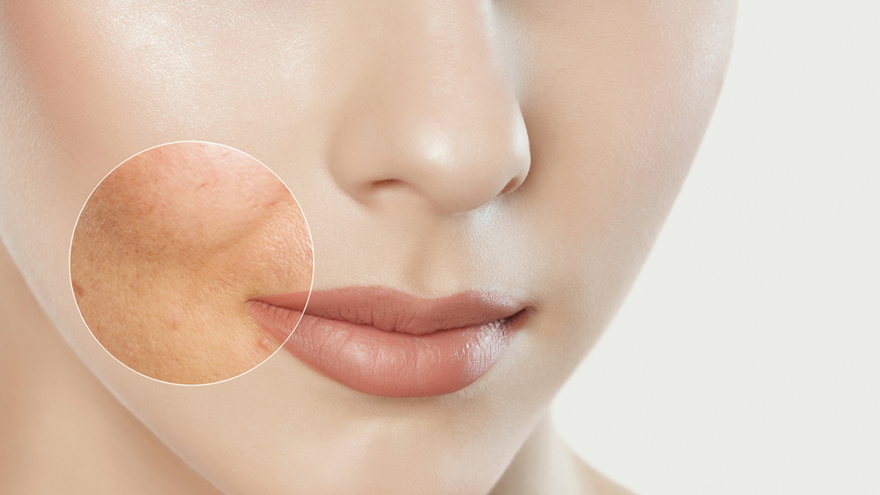
The clinician distinguishes ice-pick, boxcar, rolling and raised scars, and separates textural scarring from discoloration and from enlarged pores.
Topical numbing cream is used, and a microneedling session may take approximately fifteen to thirty minutes.
A typical microneedling plan for acne scars may involve three to five sessions spaced two to four weeks apart.
What is promised is improvement, not erasure. The clinic's record states directly that complete scar removal should not be promised, and rules out claims such as permanently closing pores or zero downtime.
The treatment is part of the clinic's Dermatology & Laser Treatments offering in Gangnam-gu.
The scars themselves have a well-described anatomy. DermNet reports that the majority of acne scars are atrophic, classifies them as ice-pick, rolling or boxcar, and notes that ice-pick scars are the most common atrophic type at sixty to seventy per cent, being narrow and deeper than they are wide. It also states that active acne should be treated before scar management begins, and that acne scars are usually permanent although they may improve spontaneously over time or with treatment. The British Association of Dermatologists, through its Acne Support resource, adds the epidemiological frame: acne scarring affects one in five people who have had acne, whether a person scars is largely down to their DNA, and anyone affected is likely to have a mix of the different scar types.
Honesty about the evidence matters here more than in most cosmetic categories. A Cochrane systematic review of interventions for acne scars, covering twenty-four randomised trials with 789 adult participants, concluded that there is a lack of high-quality evidence about the effects of different interventions, and that its results do not provide support for the first-line use of any intervention in the treatment of acne scars. The same review found moderate-quality evidence that injectable filler might be effective for atrophic acne scars, while noting that no study assessed long-term effects. That is the state of the field, and it is a reason to set expectations at a consultation rather than from a photograph.
Who Performs Acne Scar & Pore Treatment at Golden Balance Clinic
|
|
Dr. Eun-Young Kwak | Dr. Yu-Jin Oh |

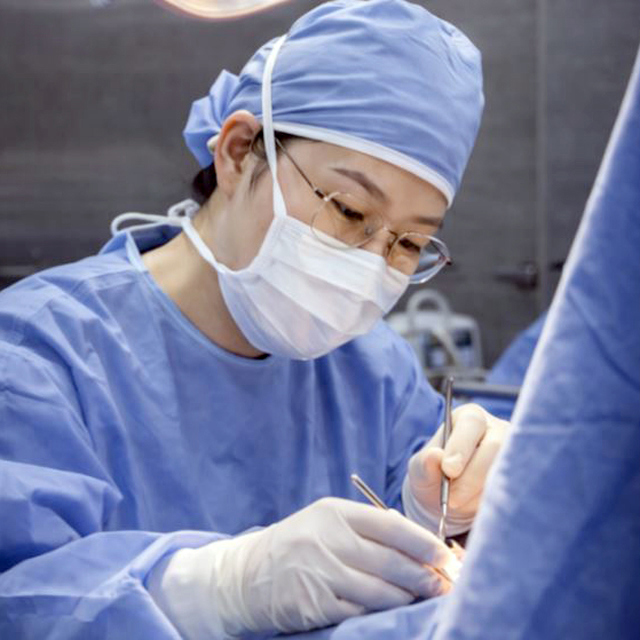
Scar work at this clinic is listed under two names, with the choice of technique made at the examination rather than booked in advance. Both doctors perform this service; the clinic does not assign it to one of them. Dr. Eun-Young Kwak heads the department in which the treatment is carried out.
Dr. Eun-Young Kwak is a Director and the doctor who leads the clinic's plastic surgery and petit centre. She graduated from Yonsei University College of Medicine. She is a member of the Korean Academy of Women's Aesthetic Medicine, the Korean Aesthetic Wellbeing Society, the Korean Society for Obesity and Plastic Surgery, and the Korean Society of Anti-Aging Medicine, and she previously served as a director of I-Love Petit Clinic and of Petit Queen Clinic.
Alongside her, Dr. Yu-Jin Oh is the clinic's second listed doctor for this area of work.
Dr. Yu-Jin Oh is a Director and a board-certified obstetrician-gynecologist with 23 years of experience. She graduated from Jeonbuk National University Medical School, completed her internship at Samsung Medical Center Cheil General Hospital, and completed residency training in obstetrics and gynecology at Samsung Medical Center Kangbuk Samsung Hospital. She is a member of the Korean Society of Obstetrics and Gynecology, the Korean Academy of Functional Medicine, and the Korean Society of Medical Aesthetics and Dermatology.
The clinic's record sets out what the clinician should review before anything is planned: your medical history, your current acne, previous treatments, medications, skin tone, and any history of abnormal scarring. The clinician should then identify whether the scars are ice-pick, boxcar, rolling or raised, distinguish textural scarring from discoloration and enlarged pores, and only then propose a personalised plan. The American Academy of Dermatology is unambiguous about the weight of that step, advising that a medical consultation is crucial before any laser treatment and that if someone promises to treat your scar before providing one, you should walk away.
Who Is a Good Candidate for Acne Scar & Pore Treatment?
Adults with stable acne and depressed acne scars, uneven texture or visible pores, who want improvement rather than complete scar removal.
People for whom the appropriate technique can be matched to scar type, skin tone, medical history and expectations.
Patients with active or uncontrolled acne may need acne treatment first, before scar work begins.
Patients with skin infections, impaired healing, a history of keloids, recent tanning or other relevant medical conditions may need to avoid or postpone certain procedures.
Anyone whose scars have remained after earlier treatment; the clinic's record keeps that reassessment open.
What to Expect: Procedure, Recovery, and Results Timeline
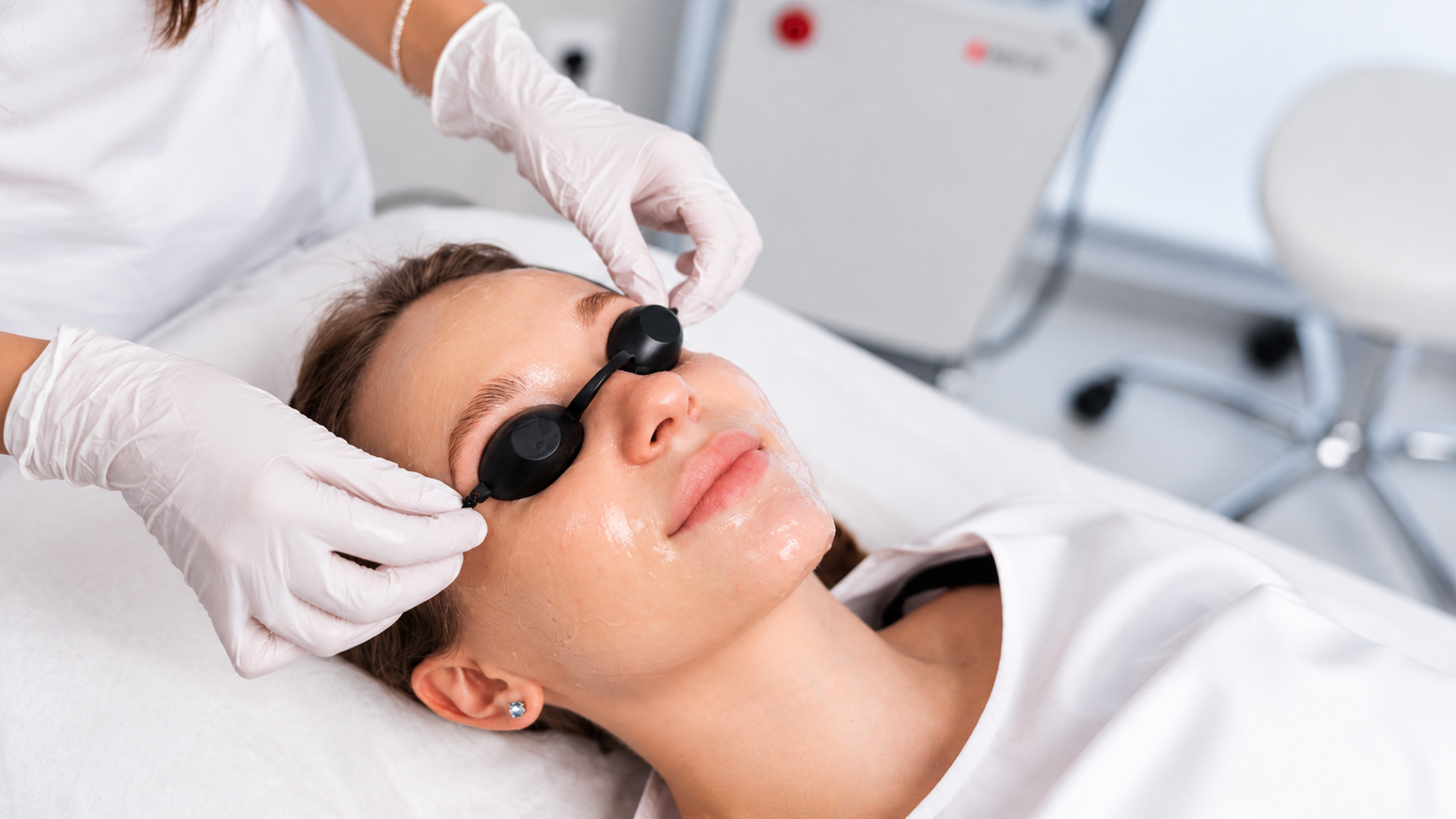
Preparation is tailored to whichever procedure is selected, and the differences are not trivial. For laser procedures, sunbathing, tanning beds, waxing, chemical peels and collagen injections are avoided for roughly two weeks beforehand. For microneedling, the clinician may advise stopping retinoids or other irritating skincare products for a few days, and some preparation plans begin two to four weeks ahead. Disclose your medications and previous skin treatments, raise any history of cold sores, keloids or abnormal healing, and never stop a prescribed medicine on your own judgement.
The visit runs through six steps in the clinic's record: the skin is examined and the scar types identified, the appropriate treatment is selected, the area is cleansed, numbing cream is applied if required, the procedure is performed — microneedling, laser treatment or a peel — and post-treatment skin care is applied with aftercare instructions given. Those steps are illustrative and vary by technique.
Stage | What the clinic records |
|---|---|
Microneedling session | Approximately 15 to 30 minutes |
Pain control | Topical numbing cream |
Sensation | Mild to moderate discomfort; pinpricks, warmth or stinging depending on method |
Redness, swelling, sensitivity | 1 to 2 weeks to settle, depending on treatment |
Redness after non-ablative laser | May last 4 to 8 hours |
Microneedling-related reactions | A few days to one week |
Visible improvement | 4 to 8 weeks in scars, texture and pore appearance |
Fuller results | Several months, as collagen develops |
Typical plan | 3 to 5 microneedling sessions, 2 to 4 weeks apart |
Stay in Korea | Approximately 2 to 3 days |
Flying home | Approximately 2 to 3 days after treatment |
Afterwards, follow the clinic's wound-care instructions, use a gentle cleanser and the recommended moisturiser, and keep off the skin — no picking, no scrubbing. Protect the treated area from sunlight with suitable sunscreen once that is appropriate, and leave makeup and irritating products aside for the period the clinician specifies. Any restrictions particular to your procedure take precedence over general advice.
Possible effects include redness, swelling, tenderness, temporary stinging, peeling, bruising and temporary changes in pigmentation. Depending on the procedure, infection, persistent discoloration, burns or additional scarring may occur, and the level of risk varies with technique and skin characteristics. The Cochrane review recorded that in one trial chemical peeling was not tolerable for sixteen per cent of participants, and that short-term hyperpigmentation was reported more often after chemical peeling than after skin needling — a reminder that resurfacing has a cost as well as a benefit.
The AAD's guidance on laser scar treatment is worth carrying into the consultation. It states that laser treatment can make a scar less noticeable but cannot get rid of a scar, that results depend largely on the skills of the person performing the treatment, that more than one session is often needed, and that it can take months to see results with little improvement apparent at first. It also warns that a patient who arrives with a tan or sunburn cannot be treated, because using a laser then could cause a serious burn or discolour the skin.
Combining Acne Scar & Pore Treatment with Other Treatments
Possible combinations recorded by the clinic include microneedling with radiofrequency, microneedling with platelet-rich plasma, or a tailored plan using several scar treatments in sequence.
Combining treatments may improve results for selected patients, but can increase downtime and risk.
The alternatives differ by scar shape: microneedling stimulates collagen and can improve depressed scars and texture; laser resurfacing targets texture and scar appearance, with recovery depending on the laser; chemical peels may help selected cases of scarring and discoloration.
Subcision may be considered for tethered, rolling scars, and certain deep or narrow scars may need targeted treatment of their own.
Treatment should be chosen according to scar type, skin tone and risk profile rather than by category popularity.
Safety, Precision, and Clinic Standards
The statements below come from the clinic's own published material and appear here unaltered.
The clinic states its philosophy as: "We are committed to personalized 1:1 treatment plans tailored to each patient's condition and prioritize safety above all else in every procedure."
The clinic states that it carries out individualized pre-procedure consultations, limits surgeries to two per day, installs CCTV in all surgery and procedure rooms, and avoids unnecessary over-treatment.
Golden Balance Clinic is registered as a Medical Institution for Attracting Foreign Patients with the Republic of Korea's Ministry of Health and Welfare, under the Medical Overseas Expansion and Foreign Patients Attraction Act. That is a registration for treating international patients; it is not a facility accreditation.
English-language support is available through designated marketing, consultation, and global coordination staff, and the clinic names Scarlett Kim as its global coordinator, available from 10:00 to 20:00 KST.
Golden Balance Clinic is on the 12th floor of the Chunglim Building at 468 Gangnam-daero, Gangnam-gu, Seoul 06123, Republic of Korea. The clinic is open Monday to Sunday from 10:00 to 21:00 KST year-round, with a lunch break from 11:30 to 12:30 KST and last registration at 19:00 KST.
The Bottom Line
The target is what acne left behind: depressed scars, uneven texture and visible pores, on skin whose acne is already stable.
Scar type is identified first — ice-pick, boxcar, rolling or raised — because the technique follows the shape.
A microneedling session takes about fifteen to thirty minutes under topical numbing; redness and sensitivity settle over one to two weeks.
Visible improvement is recorded at four to eight weeks, with fuller results taking several months as collagen develops.
Complete scar removal is not promised, and neither is permanently closing pores or zero downtime.
Frequently Asked Questions
Can my scars be removed completely?
No. The clinic's record states that complete scar removal should not be promised, and the approved wording stops at reducing the appearance of scars and improving uneven texture. Professional guidance agrees: laser treatment can make a scar less noticeable but cannot get rid of it.
I still get breakouts. Can I start on my scars now?
Usually not. Patients with active or uncontrolled acne may need acne treatment first, and treating active acne before scar management is the standard sequence in dermatological guidance. Starting scar work on inflamed skin risks adding to the problem you came to solve.
How many sessions will I need?
A typical microneedling plan for acne scars may involve three to five sessions spaced two to four weeks apart, though the number depends on the scar type and the method chosen. Initial improvement may appear within a few weeks, but fuller results can take several months as collagen develops.
What does it feel like?
Mild to moderate discomfort, depending on the method. Microneedling or laser treatment may feel like pinpricks, warmth or stinging. Topical numbing cream is used to reduce that, and it is applied before the procedure begins rather than offered only on request.
Does this close my pores?
It can make enlarged pores less noticeable. It does not close them permanently, and the clinic specifically names that as a claim it does not make. Pore appearance is treated as part of skin texture rather than as a separate structure to be sealed.
I have a history of keloid scars. Does that rule me out?
It is one of the things that may mean avoiding or postponing certain procedures, along with skin infections, impaired healing and recent tanning. Raise it at the consultation together with any history of cold sores or abnormal healing, since it changes which techniques are appropriate rather than simply ruling everything out.
I have had scar treatment before and I am still unhappy. Is there anything else?
The clinic's record keeps open the assessment of acne scars that remain after previous treatment. Bring a record of what was done, which device or peel was used if you know, and how many sessions you had. Since any one person usually has a mix of scar types, a plan that addressed one shape may simply have left the others untouched.
Book a Consultation at Golden Balance Clinic
Acne Scar & Pore Treatment is carried out at the clinic in Gangnam-gu, Seoul, and the shape of your scars, the tone of your skin and the state of your acne together decide which technique is proposed. Published images of earlier cases are at clinic's gallery.
Contact Golden Balance Clinic through the clinic contact page, by phone on +82-2-516-7148, or by email at info@goldenbalanceclinic.com.
Disclaimer
For informational purposes only. Individual results may vary depending on each patient's medical history, physical condition, anatomy, treatment plan, and recovery. The suitability of gynecological, aesthetic, dermatological, injectable, and other medical procedures should be determined through an individual consultation with a qualified medical professional. All treatments may involve potential risks, side effects, and recovery requirements, which should be discussed before treatment. Information provided by Golden Balance Clinic does not replace professional medical advice, diagnosis, or treatment. Results may vary and individual experiences may differ.
Sources & Further Reading
DermNet — acne scarring: that most acne scars are atrophic and classified as ice-pick, rolling or boxcar, that ice-pick scars account for sixty to seventy per cent, that active acne should be treated before scar management, and that acne scars are usually permanent.
Cochrane — systematic review of interventions for acne scars: twenty-four trials with 789 participants, the lack of high-quality evidence, the absence of support for first-line use of any intervention, and the sixteen per cent intolerance of chemical peeling in one study.
American Academy of Dermatology — laser treatment for scars: that it cannot get rid of a scar, that results depend largely on the skill of the operator, that a medical consultation beforehand is crucial, that more than one treatment may be needed, and that a tan or sunburn rules out treatment that day.
British Association of Dermatologists — Acne Support scarring guidance: that acne scarring affects one in five people who have had acne, that whether a person scars is largely down to their DNA, and that those affected are likely to have a mix of scar types.
Other Services
Explore additional treatments offered by our specialists.
Eyebrow Semi-Permanent Makeup
Eyebrow semi-permanent makeup is a cosmetic tattooing procedure that deposits pigment into the skin to enhance eyebrow shape, definition, and color.
Learn More
Facial Contour Micropigmentation
Facial contour micropigmentation refers to depositing pigment into the skin to create or enhance selected facial features.
Learn More
Eyeliner & Eye Enhancement PMU
Eyeliner PMU is a cosmetic tattooing procedure that deposits pigment into the skin around the eyelids to create a longer-lasting eyeliner effect.
Learn More