Personalized Medical Care & Dedicated International Patient Concierge

Specialty Overview
Dermatology & Laser Treatments
Dermatology and laser treatments are non-invasive or minimally invasive, energy-based procedures used to correct skin tone, smooth texture, clear pigmentation, refine pores and improve overall skin quality.
Schedule a ConsultationDermatology and Laser Treatments in Seoul, Korea
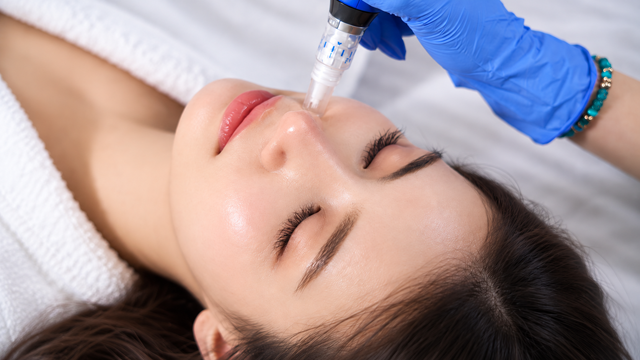
Medically reviewed by Dr. Eun-Young Kwak, MD, graduate of Yonsei University College of Medicine, and Dr. Yu-Jin Oh, board-certified obstetrician-gynecologist Golden Balance Clinic, Gangnam-gu, Seoul
Dermatology and laser treatments are non-invasive or minimally invasive, energy-based procedures used to correct skin tone, smooth texture, clear pigmentation, refine pores and improve overall skin quality. At Golden Balance Clinic in Gangnam-gu, Seoul, that category is delivered as eight separate services, each with its own assessment, its own settings and its own session rhythm. Which of them suits a particular face is a decision made at consultation, because the wavelength, the energy level and the number of visits all follow from what the skin is doing rather than from a fixed menu.
What Is Dermatology & Laser Treatments?
Dermatology and laser treatments are a group of light-based, device-based and topical skin procedures that aim to change the colour, surface and clarity of the skin without surgery.
The clinic's consultation evaluates skin type, the degree of pigmentation present, texture irregularities and relevant medical background, using digital skin diagnostics to build a customised wavelength and energy protocol.
A typical session follows the same shape: the area is thoroughly cleansed, topical numbing cream is applied if it is needed, eye protection is given, controlled laser energy or light waves are delivered, and the visit finishes with a cooling mask and a soothing moisturiser.
Comfort is handled with topical numbing cream before energy-based treatments, together with the cooling mechanisms built into the devices.
Sessions at this clinic typically run between 30 and 60 minutes.
The outcomes the clinic will stand behind are narrow and specific: a temporary reduction in skin pigmentation, improvement in surface texture, stimulation of collagen production and refinement of pore appearance.
Who Performs Dermatology & Laser Treatments at Golden Balance Clinic
|
|
Dr. Eun-Young Kwak | Dr. Yu-Jin Oh |

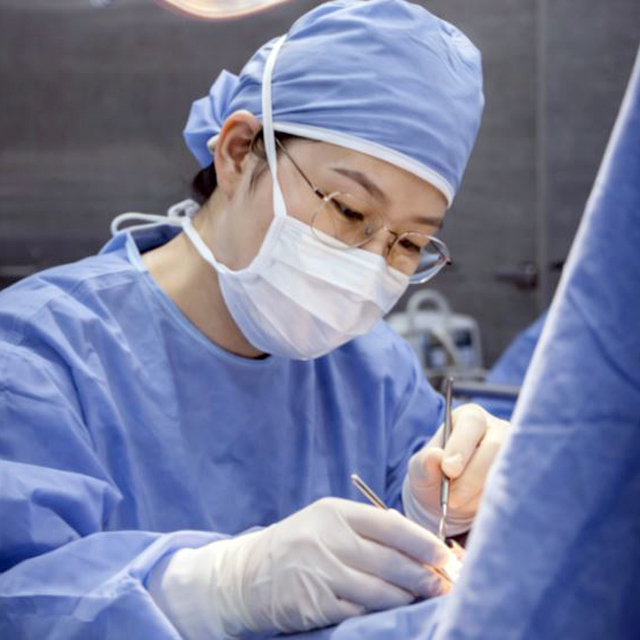
Two doctors review this area of the clinic's work. Dr. Eun-Young Kwak is a Director and the doctor who leads the clinic's plastic surgery and petit centre. She graduated from Yonsei University College of Medicine. She is a member of the Korean Academy of Women's Aesthetic Medicine, the Korean Aesthetic Wellbeing Society, the Korean Society for Obesity and Plastic Surgery, and the Korean Society of Anti-Aging Medicine, and she previously served as a director of I-Love Petit Clinic and of Petit Queen Clinic. Her centre is where the clinic's non-surgical facial and skin work sits, and the laser and skin-care services described on this page are run from it.
Dr. Yu-Jin Oh is a Director and a board-certified obstetrician-gynecologist with 23 years of experience. She graduated from Jeonbuk National University Medical School, completed her internship at Samsung Medical Center Cheil General Hospital, and completed residency training in obstetrics and gynecology at Samsung Medical Center Kangbuk Samsung Hospital. She is a member of the Korean Society of Obstetrics and Gynecology, the Korean Academy of Functional Medicine, and the Korean Society of Medical Aesthetics and Dermatology. That last membership is the one that connects her to this page: medical aesthetics and dermatology are a declared professional interest alongside her specialty practice, and Golden Balance Clinic states that its skin services are led by its own doctors rather than delegated away from them.
Dermatology & Laser Treatments Options Available
The specialty is divided into eight services. They share a consultation process and an aftercare philosophy, but they answer different questions.
Service | What it addresses | Typical session length |
|---|---|---|
Dark patches, freckles, sun spots, post-inflammatory pigmentation, uneven tone | About 20–40 minutes | |
Visible facial capillaries, persistent redness, selected superficial vascular lesions | 15–30 minutes for a small area; 20–40 minutes for a full face | |
Active breakouts, inflammation, clogged pores, excess oil | 30–60 minutes | |
Depressed acne scars, uneven texture, visibly enlarged pores | A microneedling session is about 15–30 minutes | |
Benign moles, skin tags, confirmed warts and similar growths | About 10–30 minutes for a straightforward removal | |
Fading or removing an unwanted tattoo | 10–30 minutes per session | |
Long-term reduction of unwanted facial or body hair | About 15–60 minutes per session | |
Dull or rough texture, superficial pigmentation, selected acne concerns, fine lines | About 30–60 minutes |
Within those services the clinic works with the generic categories of energy-based dermatology: picosecond and Q-switched lasers for pigment and tattoo ink, vascular lasers and intense pulsed light for redness and visible vessels, fractional and non-ablative resurfacing lasers for texture and scarring, microneedling and microneedling radiofrequency for depressed scars and pore appearance, and chemical peels for controlled exfoliation. Pigmentation that sits deep behaves differently from pigmentation that sits shallow, and a vessel is not treated with the settings used for a freckle.
Who Is a Good Candidate for Dermatology & Laser Treatments?

Adults with uneven skin tone, pigmentation, acne scars, enlarged pores, early fine lines or redness who are looking for better texture and clarity.
Adults with melasma, freckles, sun spots or post-inflammatory pigmentation who have been assessed as suitable for a laser or light-based approach.
Adults with visible facial capillaries, persistent redness or redness associated with rosacea who have been assessed as suitable for laser or intense pulsed light.
People with blackheads, whiteheads, inflammatory pimples or recurring acne who want a professional assessment and a plan rather than another product.
Adults whose acne has settled and who want depressed scars, uneven texture or visible pores to be less noticeable — improvement, not erasure.
People with benign moles, skin tags or confirmed warts that irritate, catch or bother them cosmetically, once the diagnosis is confirmed.
People who want an unwanted tattoo faded or removed and have been assessed as suitable by a qualified medical professional.
People seeking long-term hair reduction, keeping in mind that darker hair tends to respond better because the laser targets pigment.
Treatment is not suitable, or has to wait, for people with active skin infections, open wounds, severe inflammatory eczema or psoriasis in the target area, an active cold sore outbreak, or a history of severe keloid scarring. Recent sunburn or tanning, significant irritation, photosensitising medication, pregnancy, impaired healing and current or recent isotretinoin use all need to be raised before anything is scheduled. A lesion that is changing, bleeding, itching, growing quickly or failing to heal is a medical question before it is a cosmetic one, and it is assessed — with a dermatoscope or a biopsy where appropriate — rather than simply removed.
What to Expect: Procedure, Recovery, and Results Timeline
Preparation starts days before the appointment. Direct sun exposure and tanning are avoided. Exfoliants, retinoids and photosensitising topical products are stopped for several days beforehand. Alcohol is avoided before treatment. An initial evaluation is attended so that the plan is set before the device is chosen.
On the day, the area is cleansed and prepared. Topical numbing cream is applied where the treatment calls for it. Eye protection is provided. Controlled laser energy or light is then delivered to the mapped areas, and the session closes with a cooling mask and a soothing moisturiser. Some services in this group work differently: a lesion removal may use a local anaesthetic injection and may involve sending tissue to a laboratory, a chemical peel generally needs no anaesthesia at all, and much of routine acne care is topical rather than energy-based.
Aftercare is where results are protected. The clinic asks patients to apply broad-spectrum SPF 50+ sunscreen, keep the skin well hydrated with gentle moisturisers, and avoid scrubbing, peeling, saunas, hot baths and intense exercise for one week. Picking or scratching treated skin is avoided, and irritating actives are reintroduced only when the clinician says so.
Stage | What usually happens |
|---|---|
First 24–48 hours | Redness, warmth, mild swelling, dryness or localised tenderness in the treated area |
Week 1 | Temporary flaking or micro-crusting may appear and settle; routine medical skin care and superficial peels generally recover within about 1–7 days |
Weeks 1–2 | Mild redness or swelling usually settles; after laser hair removal, redness and irritation usually resolve within 1–2 days, and tattoo-removal sites may need 2–4 weeks to heal fully |
Weeks 1–4 | Initial results begin to appear |
Weeks 4–8 | Effects are generally visible, lasting around 4–8 weeks or longer depending on the treatment |
Months 1–3 | Collagen remodelling and fuller skin clarity continue to develop |
Results vary, and the timeline has limits worth stating. Melasma can recur and may need ongoing maintenance and continued sun protection. Active acne treatment does not correct scars that are already there; scarring is assessed separately once breakouts are controlled. Complete scar removal is not promised, and neither are permanently closed pores. A tattoo may fade substantially or may leave residual pigment or a visible outline. Removal of a benign lesion is generally permanent for that lesion, though warts can recur. Hair becomes less dense, finer and less noticeable rather than absent, many patients need six or more sessions, and maintenance may be required.
Risks belong next to results. Temporary redness, mild swelling, dryness, flaking or micro-crusting and localised tenderness are the common ones. Less commonly, hyperpigmentation or persistent irritation can follow. Depending on the treatment, bruising, temporary darkening of treated vessels or pigment, crusting, blistering, burns, infection, pigment changes, scarring or eye injury are possible, and chemical peels can also reactivate cold sores or trigger an acne flare. Careful patient selection, protective eyewear, suitable settings and adherence to aftercare reduce these risks but do not remove them.
Combining Dermatology & Laser Treatments with Other Treatments
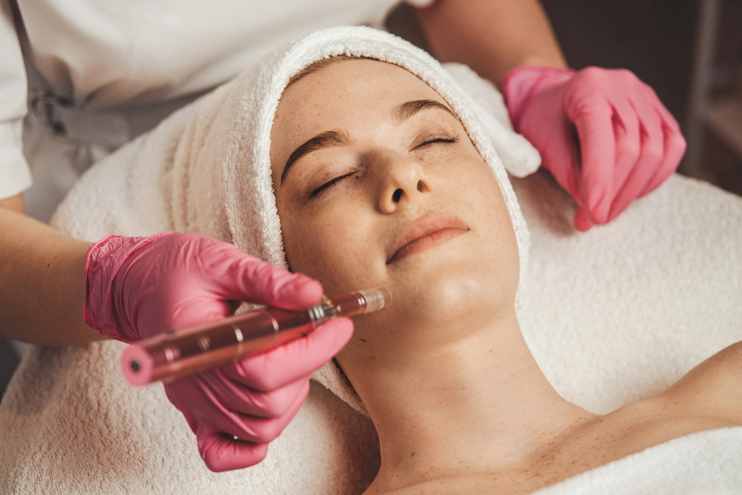
Pigmentation work is often paired with medical skin care or a chemical peel, sequenced so that the skin is not irritated twice in the same week.
Vascular laser or intense pulsed light may be combined with selected pigmentation or rejuvenation treatments when that is clinically appropriate, accepting that combining procedures can increase irritation, downtime and the risk of pigment change.
Acne care combines topical medication, skincare guidance and selected in-clinic procedures; scar treatment follows later, once active breakouts are under control.
For acne scars and pores, microneedling may be combined with radiofrequency or with platelet-rich plasma, or several scar techniques may be staged across separate visits.
Laser tattoo removal is not combined with other energy treatments on the same area at the same time, and the clinic avoids claiming that laser hair removal is routinely combined with other cosmetic work.
Several benign lesions may be removed in one appointment when that is appropriate, using different methods for different lesions.
At consultation the clinic may also discuss injectables and petit procedures, lifting and skin tightening, intravenous and vitamin therapy, or semi-permanent makeup as separate options; those are different services with their own assessments.
Safety, Precision, and Clinic Standards
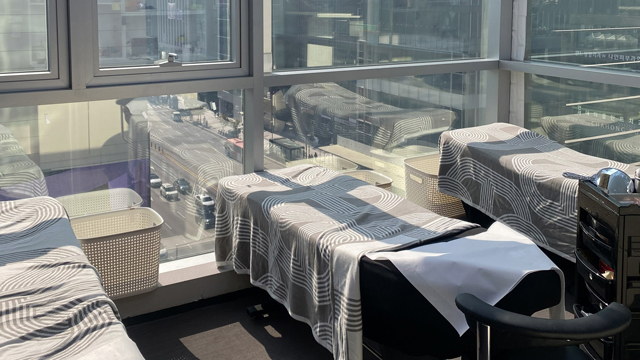
The clinic states that it carries out individualized pre-procedure consultations, limits surgeries to two per day, installs CCTV in all surgery and procedure rooms, and avoids unnecessary over-treatment. Golden Balance Clinic was established in 2000 and states that it works to personalised one-to-one treatment plans, with safety placed above all else in every procedure. Within laser care, that shows up in ordinary places: eye protection at every energy-based session, and a plan that may conclude that topical therapy or simple observation suits the skin better than a laser.
Golden Balance Clinic is registered as a Medical Institution for Attracting Foreign Patients with the Republic of Korea's Ministry of Health and Welfare, under the Medical Overseas Expansion and Foreign Patients Attraction Act. That is a registration for treating international patients; it is not a facility accreditation.
English-language support is available through designated marketing, consultation, and global coordination staff, and the clinic names Scarlett Kim as its global coordinator, available from 10:00 to 20:00 KST.
Golden Balance Clinic is on the 12th floor of the Chunglim Building at 468 Gangnam-daero, Gangnam-gu, Seoul 06123, Republic of Korea. The clinic is open Monday to Sunday from 10:00 to 21:00 KST year-round, with a lunch break from 11:30 to 12:30 KST and last registration at 19:00 KST.
The Bottom Line
Dermatology and laser treatments at this clinic span eight services — pigmentation, redness and vascular work, acne, acne scars and pores, benign lesion removal, tattoo removal, hair removal, and medical skin care with peels.
Sessions typically last 30 to 60 minutes, with topical numbing and device cooling used to manage comfort.
Mild redness or swelling usually settles within one to two weeks, initial results appear within one to four weeks, and collagen remodelling continues over one to three months.
Improvement is gradual and often needs several sessions; melasma can recur, scars are improved rather than erased, and hair is reduced rather than eliminated.
Sun protection and gentle aftercare are not optional extras — they are part of the treatment.
Frequently Asked Questions
How long do I need to stay in Korea for laser skin treatment?
Most international visitors stay in Korea for three to five days for non-ablative laser care, or five to seven days if they are having multi-session or fractional laser combination treatments. Shorter services sit at the lighter end of that range: a single pigmentation session may need only one to two days, and routine medical skin care or a superficial peel can often be done within a single day if consultation and treatment happen together. Your clinician confirms the right length once the plan is agreed.
When will I be able to fly home?
After non-ablative laser treatment, flying home after roughly three to five days is usually reasonable, and after fractional or combination treatments the usual figure is five to seven days. After a routine pigmentation session, a superficial peel or a single hair-removal session, many patients travel the same day or the next. In every case the clinician has to confirm that the skin is healing as expected and that you are fit to travel.
Does it hurt?
Discomfort is generally minimal. Topical numbing cream is applied before energy-based treatments, and the cooling built into the devices is used to reduce sensation during the session. Most people describe brief warmth, stinging or a snapping feeling rather than pain, and the intensity varies with the area treated and the depth of the treatment. Tell the clinician during the session if what you feel is sharper than that.
How soon will I see a difference?
Initial results may appear within one to four weeks, with effects lasting around four to eight weeks or longer depending on the treatment. Pigmentation usually improves gradually over two to four weeks and continues over four to eight weeks. Fuller skin clarity and collagen remodelling develop over one to three months, which is why final assessment is made after the planned course rather than after a single visit.
What side effects are normal afterwards?
Temporary redness, mild swelling, dryness, flaking or micro-crusting and localised tenderness are the usual short-term effects. Depending on the treatment, bruising, temporary darkening of treated pigment or vessels, or crusting may also occur. Rarer problems include hyperpigmentation, burns, infection and scarring. Contact the clinic if pain increases, blisters form, swelling worsens or you notice signs of infection.
What should I avoid before my appointment?
Avoid direct sun exposure and tanning, and stop exfoliants, retinoids and photosensitising topical products for several days beforehand. Alcohol is also avoided before treatment. Tell the clinician about all medications, supplements, allergies, previous laser treatments, cold sore history and any tendency toward abnormal scarring or pigment change, because those details often decide which treatment is chosen.
Can I have treatment if I have had problems with lasers before?
Yes, that history is exactly what the consultation is for. Sensitive skin, a previous treatment-related complication or post-inflammatory pigmentation all call for an individualised assessment before anything further is planned, and the clinic assesses these cases individually rather than repeating a standard protocol.
What if something looks wrong after I get home?
Tell the clinic. The contact details in the booking section below reach the team directly, and the global coordinator can take the message in English. Describe what changed and when, and send photographs if you can. Increasing pain, blistering, spreading redness, pus or fever are reasons to seek local medical care promptly as well.
Book a Consultation at Golden Balance Clinic
Dermatology and laser treatments at Golden Balance Clinic are planned in Gangnam-gu, Seoul, one skin assessment at a time, and the consultation is where the choice between these approaches is actually made. Contact Golden Balance Clinic through the clinic contact page, by phone on +82-2-516-7148, or by email at info@goldenbalanceclinic.com. You can also look through the clinic's before and after gallery.
Disclaimer
For informational purposes only. Individual results may vary depending on each patient's medical history, physical condition, anatomy, treatment plan, and recovery. The suitability of gynecological, aesthetic, dermatological, injectable, and other medical procedures should be determined through an individual consultation with a qualified medical professional. All treatments may involve potential risks, side effects, and recovery requirements, which should be discussed before treatment. Information provided by Golden Balance Clinic does not replace professional medical advice, diagnosis, or treatment. Results may vary and individual experiences may differ.
Sources & Further Reading
American Academy of Dermatology — on melasma, states that when you follow your treatment plan it usually takes between 3 to 12 months to see results, and that sun protection can help fade melasma and prevent it from returning.
MedlinePlus — explains that acne is a common skin disease that causes pimples, and that pimples form when hair follicles under your skin clog up.
National Library of Medicine — advises having a health care professional check your moles if they look unusual, grow larger, change in color or outline, or in any other way.
U.S. Food and Drug Administration — explains that laser light energy shatters the tattoo ink into small particles, which the body's immune system clears over time, and that green, red and yellow are the hardest colors to remove.
American Society for Dermatologic Surgery — describes a chemical peel as a chemical solution applied to the skin that causes it to exfoliate and eventually peel off, with superficial peels requiring one to seven days to heal.
American Society for Dermatologic Surgery — notes that multiple hair-removal treatments are needed in some cases, usually over monthly intervals, and that patients should avoid direct sun exposure for at least one week afterwards.
Related Services
Procedures available within our clinical departments.
Eyebrow Semi-Permanent Makeup
Eyebrow semi-permanent makeup is a cosmetic tattooing procedure that deposits pigment into the skin to enhance eyebrow shape, definition, and color.
Learn More
Facial Contour Micropigmentation
Facial contour micropigmentation refers to depositing pigment into the skin to create or enhance selected facial features.
Learn More
Eyeliner & Eye Enhancement PMU
Eyeliner PMU is a cosmetic tattooing procedure that deposits pigment into the skin around the eyelids to create a longer-lasting eyeliner effect.
Learn More