Personalized Medical Care & Dedicated International Patient Concierge

Dermatology & Laser Treatments · Consultation Required
Acne Treatment
Acne treatment in Seoul aims to reduce active breakouts, inflammation and clogged pores, and to lower the chance of new acne lesions forming.
Schedule a ConsultationAcne Treatment in Seoul, Republic of Korea
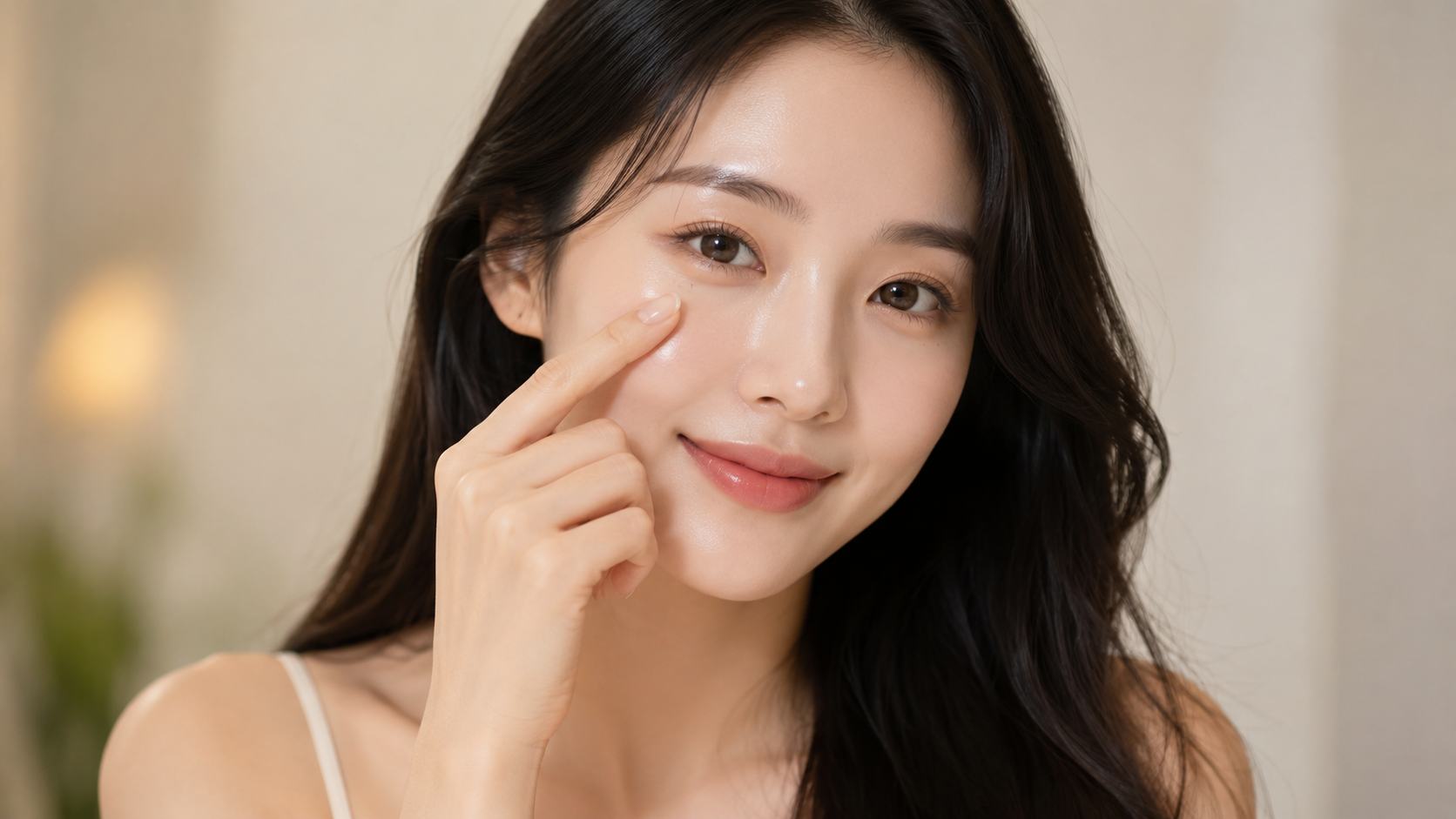
Medically reviewed by Dr. Eun-Young Kwak, MD, graduate of Yonsei University College of Medicine, and Dr. Yu-Jin Oh, board-certified obstetrician-gynecologist Golden Balance Clinic, Gangnam-gu, Seoul
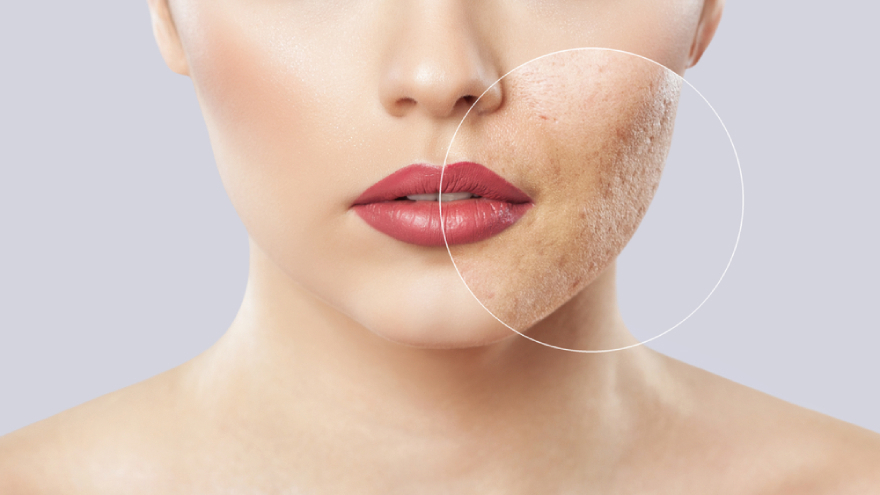
Acne treatment in Seoul aims to reduce active breakouts, inflammation and clogged pores, and to lower the chance of new acne lesions forming. Depending on the type and the severity of the acne, the plan may involve prescription or topical medication, professional skin care, selected chemical peels, light-based procedures or a combination of these. Active acne and acne scarring are different problems and are treated along different routes.
What Is Acne Treatment?
Acne treatment here is a management plan rather than a single appointment: the acne is graded, contributing factors are identified, and the medication, skincare and in-clinic steps are chosen to fit what was found.
The concerns it is offered for are blackheads, whiteheads, inflammatory pimples, excess oil and acne that keeps coming back.
Not every patient needs a procedure. The clinic's record says so explicitly, and lists topical medication, oral medication, selected procedures or a combination as the possible routes.
A treatment appointment runs thirty to sixty minutes.
Extractions are performed only when clinically appropriate, not as a routine part of every visit.
The service is one of the Dermatology & Laser Treatments offered at the clinic in Gangnam-gu.
Acne is common enough that most readers arrive already having tried something, and the published guidance is unusually consistent about why that often fails. The British Association of Dermatologists, through its Acne Support resource, states that it is important to treat acne as soon as possible because delaying treatment can result in the acne worsening and an increased likelihood of scarring, and that most acne treatments take time to work — you may need to continue using one for at least twelve weeks before deciding whether it has been effective. The National Library of Medicine's MedlinePlus encyclopedia puts the same point in clinical terms: acne often responds well to treatment, but responses may take six to eight weeks, and acne may flare up from time to time.
What is actually being treated is a blocked follicle. The NHS describes acne as happening when hair follicles become blocked with excess oil and dead skin cells, with bacteria then growing in the blocked follicle and causing inflammation and pus, and lists hormonal change, certain medicines and greasy skin or hair products among the contributing factors. DermNet adds a point that matters for anyone with a deeper skin tone: all the characteristic lesions occur in skin of colour, but usually with less discernible redness and more post-inflammatory hyperpigmentation, which persists long after the acne lesion itself has gone and is often the main reason people seek treatment.
Who Performs Acne Treatment at Golden Balance Clinic
|
|
Dr. Eun-Young Kwak | Dr. Yu-Jin Oh |
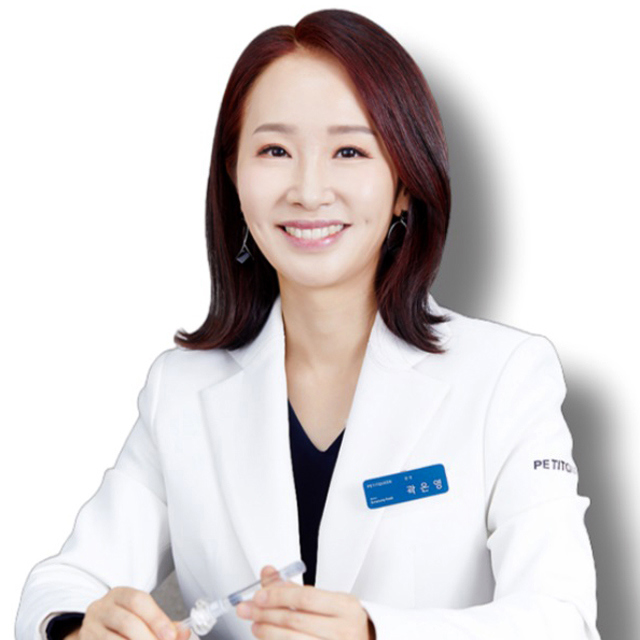
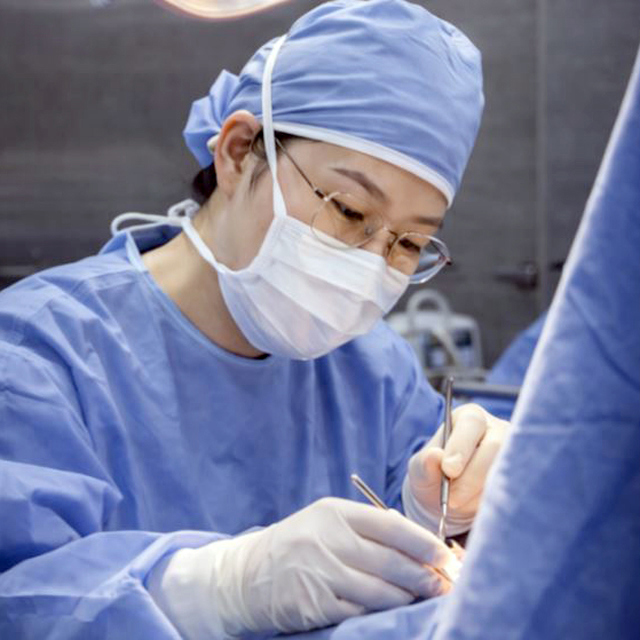
The clinic lists two doctors for its dermatology and laser work, and an acne plan may be reviewed by either of them across a course of visits. Both doctors perform this service; the clinic does not assign it to one of them. The department is led by Dr. Eun-Young Kwak.
Dr. Eun-Young Kwak is a Director and the doctor who leads the clinic's plastic surgery and petit centre. She graduated from Yonsei University College of Medicine. She is a member of the Korean Academy of Women's Aesthetic Medicine, the Korean Aesthetic Wellbeing Society, the Korean Society for Obesity and Plastic Surgery, and the Korean Society of Anti-Aging Medicine, and she previously served as a director of I-Love Petit Clinic and of Petit Queen Clinic.
The other doctor listed is Dr. Yu-Jin Oh, whose professional memberships include a society for medical aesthetics and dermatology.
Dr. Yu-Jin Oh is a Director and a board-certified obstetrician-gynecologist with 23 years of experience. She graduated from Jeonbuk National University Medical School, completed her internship at Samsung Medical Center Cheil General Hospital, and completed residency training in obstetrics and gynecology at Samsung Medical Center Kangbuk Samsung Hospital. She is a member of the Korean Society of Obstetrics and Gynecology, the Korean Academy of Functional Medicine, and the Korean Society of Medical Aesthetics and Dermatology.
The consultation follows five steps in the clinic's record. Your acne history, symptoms, skincare routine and previous treatments are discussed; medications, allergies, pregnancy status where relevant and medical history are reviewed; the acne type, severity, skin sensitivity, pigmentation and any scarring are examined; possible contributing factors are identified and the suitable options discussed; and the expected benefits, limitations, risks and follow-up needs are explained before consent is obtained.
Who Is a Good Candidate for Acne Treatment?
People with blackheads, whiteheads, inflammatory pimples or recurring acne who want a professional assessment and a treatment plan rather than another product to try.
People who may benefit from topical medication, oral medication, selected procedures or a combination, depending on severity, medical history and skin type.
People with an active skin infection in the proposed treatment area, severe irritation, open wounds or a recent sunburn may need to postpone certain procedures.
Pregnancy or plans for pregnancy, medication allergies, photosensitivity, and current or recent isotretinoin use must be discussed with the physician.
Some procedures may be unsuitable for specific skin types or conditions. Suitability depends on the treatment selected, and none of these factors automatically rules out every form of acne care.
What to Expect: Procedure, Recovery, and Results Timeline
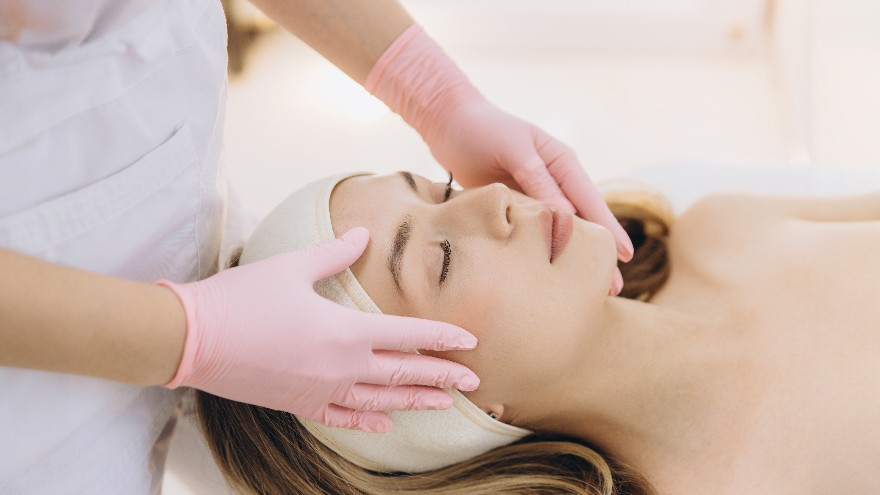
Come prepared to disclose rather than to summarise: your medical history, medication list, allergies, pregnancy status where relevant, your current skincare routine and the acne treatments you have already used. Leave spots alone — do not pick or squeeze them. Use sun protection, and ask the clinician whether retinoids, exfoliating acids, benzoyl peroxide or other irritating products should be paused before a procedure, since the answer depends on what is planned.
A visit follows a predictable order. The skin is examined and assessed, the treatment area is cleansed, the selected treatment is applied — topical medication, a suitable chemical peel or an indicated device-based procedure — extractions are performed if clinically appropriate, soothing products or other post-treatment care follow, and you leave with home-care instructions and a follow-up arrangement. Steps vary with the plan, and some visits involve no procedure at all.
Stage | What the clinic records |
|---|---|
Treatment time | 30 to 60 minutes |
Anesthesia | Usually none for topical treatments and basic acne care |
Sensation | Temporary stinging or burning with peels; brief discomfort with extractions |
Device-based steps | May call for cooling or topical anesthetic, depending on device and settings |
Redness and irritation | Usually subside within 1 to 2 weeks |
Noticeable improvement | 4 to 8 weeks |
Results assessed | After 8 to 12 weeks of consistent treatment |
Stay in Korea | Approximately 1 to 3 days for consultation, treatment and initial follow-up |
Flying home | Generally after about 1 to 3 days, if the clinician confirms you are fit to travel |
Aftercare is about restraint. Use a gentle cleanser, a non-comedogenic moisturiser and a broad-spectrum sunscreen. Do not pick lesions, scrub the skin, use harsh exfoliants or introduce several new skincare products at once while the skin is recovering. Follow the clinician's instructions for restarting active ingredients rather than guessing the timing. After peels or device-based treatments, keep away from excessive heat and direct sun until the skin has recovered. Severe pain, blistering, increasing swelling or signs of infection are reasons to seek medical advice rather than to wait.
The possible effects are temporary redness, dryness, peeling, irritation, stinging and increased sensitivity. Extractions may cause tenderness, bleeding or temporary marks. Chemical peels and energy-based procedures can cause burns, infection, pigment changes or scarring in some cases. Against that, the recorded benefits are fewer active breakouts, reduced inflammation, improved pore congestion and a lower risk of new lesions when treatment is appropriate and continued as directed.
One boundary is worth stating twice, because it is the most common misunderstanding about this service. Some procedures may help selected acne marks or scars, but treating active acne does not necessarily correct scars that already exist. Acne scar procedures are evaluated separately, and the usual sequence is to bring active breakouts under control first. MedlinePlus is blunt about why that sequence matters, warning that aggressively squeezing, scratching, picking or rubbing pimples can lead to skin infections, slower healing and scarring.
Combining Acne Treatment with Other Treatments
A plan may combine appropriate topical medication, skincare guidance and selected in-clinic procedures rather than relying on any one of them.
Topical retinoids, benzoyl peroxide, azelaic acid and other prescription treatments may be appropriate depending on the acne type.
Oral antibiotics, hormonal treatments or isotretinoin may be considered by a qualified clinician for selected cases.
Chemical peels or light-based treatments may complement medical therapy but are not substitutes for every medication-based treatment.
Some patients may later benefit from scar-directed treatment once active breakouts are controlled; that is a separate assessment with its own timeline.
Safety, Precision, and Clinic Standards
Each statement below is the clinic's own published wording, carried across unchanged.
The clinic states its philosophy as: "We are committed to personalized 1:1 treatment plans tailored to each patient's condition and prioritize safety above all else in every procedure."
The clinic states that it carries out individualized pre-procedure consultations, limits surgeries to two per day, installs CCTV in all surgery and procedure rooms, and avoids unnecessary over-treatment.
Golden Balance Clinic is registered as a Medical Institution for Attracting Foreign Patients with the Republic of Korea's Ministry of Health and Welfare, under the Medical Overseas Expansion and Foreign Patients Attraction Act. That is a registration for treating international patients; it is not a facility accreditation.
English-language support is available through designated marketing, consultation, and global coordination staff, and the clinic names Scarlett Kim as its global coordinator, available from 10:00 to 20:00 KST.
Golden Balance Clinic is on the 12th floor of the Chunglim Building at 468 Gangnam-daero, Gangnam-gu, Seoul 06123, Republic of Korea. The clinic is open Monday to Sunday from 10:00 to 21:00 KST year-round, with a lunch break from 11:30 to 12:30 KST and last registration at 19:00 KST.
The Bottom Line
The target is active acne: breakouts, inflammation, clogged pores and the risk of new lesions.
The plan is chosen from medication, skincare guidance and selected procedures, according to acne type, severity, medical history and skin type.
A treatment appointment runs thirty to sixty minutes; redness and irritation usually settle within one to two weeks.
Improvement is recorded at four to eight weeks, with results assessed after eight to twelve weeks of consistent treatment.
Existing scars are a separate question with a separate assessment, and controlling active acne comes first.
Frequently Asked Questions
Will this also fix the marks and scars I already have?
Not necessarily, and the clinic's record is careful about it. Some procedures may help selected acne marks or scars, but treating active acne does not by itself correct existing scarring. Scar-directed work is assessed separately and generally follows once breakouts are under control.
Do I have to have a procedure?
No. The clinic's record states plainly that not every patient requires one, and lists topical medication, oral medication, selected procedures or a combination as the available routes. What you are offered depends on the type and severity of your acne, your medical history and your skin type.
How quickly will my skin change?
Improvement may become noticeable within four to eight weeks, and results are typically assessed after eight to twelve weeks of consistent treatment. Some people need longer, depending on severity and individual response, and recurring acne may call for ongoing maintenance.
I am taking, or recently took, isotretinoin. Does that matter?
Yes, and it must be raised at the consultation. Current or recent isotretinoin use is specifically listed among the things to discuss with the physician, alongside pregnancy or plans for pregnancy, medication allergies and photosensitivity, because it changes which procedures are appropriate.
Does acne treatment hurt?
Most topical treatments and basic acne-care procedures need no anesthesia. A chemical peel may cause temporary stinging or burning, and extractions may be briefly uncomfortable. Some laser or device-based treatments call for cooling or a topical anesthetic, depending on the device and the settings used.
How long do I need to be in Seoul?
Roughly one to three days covers the consultation, a treatment and an initial follow-up. Flying home after that is generally possible once the clinician confirms you are fit to travel. Acne is managed over months rather than days, so the plan has to work at a distance as well as in the chair.
My acne has not responded to prescriptions or clinic treatment before. Is it worth another consultation?
The clinic's record keeps open the assessment of acne that persists despite previous prescription medication or clinic-based treatment. Bring the names of what you have taken, the doses if you have them, and how long each was continued, since twelve weeks is often the point at which a treatment can fairly be judged.
Book a Consultation at Golden Balance Clinic
Acne Treatment is provided at the clinic in Gangnam-gu, Seoul, and what the plan contains — medication, skincare, a procedure, or some combination — is decided once your acne has been examined and graded. Earlier cases are shown at clinic's gallery.
Contact Golden Balance Clinic through the clinic contact page, by phone on +82-2-516-7148, or by email at info@goldenbalanceclinic.com.
Disclaimer
For informational purposes only. Individual results may vary depending on each patient's medical history, physical condition, anatomy, treatment plan, and recovery. The suitability of gynecological, aesthetic, dermatological, injectable, and other medical procedures should be determined through an individual consultation with a qualified medical professional. All treatments may involve potential risks, side effects, and recovery requirements, which should be discussed before treatment. Information provided by Golden Balance Clinic does not replace professional medical advice, diagnosis, or treatment. Results may vary and individual experiences may differ.
Sources & Further Reading
British Association of Dermatologists — Acne Support treatment guidance: that delaying treatment can result in acne worsening and an increased likelihood of scarring, and that a treatment may need at least twelve weeks before it can be judged effective.
MedlinePlus — National Library of Medicine encyclopedia entry on acne: that responses may take six to eight weeks and acne may flare from time to time, and that aggressively squeezing, scratching, picking or rubbing pimples can lead to skin infections, slower healing and scarring.
NHS — acne: the blockage of hair follicles with excess oil and dead skin cells, the bacterial growth and inflammation that follow, and the hormonal, medicinal and cosmetic factors that contribute.
DermNet — acne vulgaris: that lesions in skin of colour usually show less discernible redness and more post-inflammatory hyperpigmentation, which persists long after the lesion has gone.
Other Services
Explore additional treatments offered by our specialists.
Eyebrow Semi-Permanent Makeup
Eyebrow semi-permanent makeup is a cosmetic tattooing procedure that deposits pigment into the skin to enhance eyebrow shape, definition, and color.
Learn More
Facial Contour Micropigmentation
Facial contour micropigmentation refers to depositing pigment into the skin to create or enhance selected facial features.
Learn More
Eyeliner & Eye Enhancement PMU
Eyeliner PMU is a cosmetic tattooing procedure that deposits pigment into the skin around the eyelids to create a longer-lasting eyeliner effect.
Learn More