Personalized Medical Care & Dedicated International Patient Concierge

Lifting & Skin Tightening · Consultation Required
Laser & Microwave Lifting
Laser & Microwave Lifting is the name for two separate non-surgical skin-tightening approaches that heat targeted tissue, one using laser energy and the other using microwave energy, with the shared aim of improving skin firmness and mild laxity.
Schedule a ConsultationLaser and Microwave Lifting in Seoul, Republic of Korea
Medically reviewed by Dr. Eun-Young Kwak, MD, graduate of Yonsei University College of Medicine Golden Balance Clinic, Gangnam-gu, Seoul
Laser & Microwave Lifting is the name for two separate non-surgical skin-tightening approaches that heat targeted tissue, one using laser energy and the other using microwave energy, with the shared aim of improving skin firmness and mild laxity. They are grouped together because the goal is the same, not because the physics is: the mechanism and the depth reached differ by technology. Which of the two is proposed, if either is, depends on what an examination finds.
What Is Laser & Microwave Lifting?
Laser & Microwave Lifting refers to non-surgical skin-tightening treatments that use laser energy or microwave energy to heat targeted tissues and may improve skin firmness and mild laxity, with the mechanism and treatment depth varying by technology.
A session may run approximately 20 to 60 minutes.
Many of these treatments need no anesthesia, though warmth, tingling or discomfort can occur and topical numbing may be considered.
The area is prepared and the chosen device is applied according to its own protocol, with the protective measures and settings determined by the technology in use.
Energy is applied in a controlled way to heat tissue and support collagen remodelling; the exact depth and application method follow the device and the clinician's assessment.
Both approaches belong to Lifting & Skin Tightening, the group of treatments the clinic runs from its Gangnam-gu premises.
Lasers are the better documented of the two in general medical sources. MedlinePlus, the consumer health service of the United States National Library of Medicine, describes laser surgery for the skin as the use of laser energy to treat skin, with a light beam focused on a very small area that heats specific cells until they burst, and lists improving loose skin from aging among the reasons the procedure is performed. It records the possible risks as pain, bruising or swelling, blisters, burns or scarring, infections, discoloration of the skin, cold sores, and the problem not going away. It also notes that most laser surgery for the skin is done while the patient is awake, and that recovery time depends on the type of treatment and the person's overall health.
Microwave-based tightening is a newer and much thinner evidence base, and the honest description says so. A 2025 prospective study in Lasers in Medical Science treated ten women who had moderate to severe submental skin laxity with two sessions of a 2.45 GHz non-invasive microwave device thirty days apart, ten minutes per session. Graded on the Submental Skin Laxity Grade, the group average fell from 3.6 at baseline to 2.3 twelve weeks after the final session, no adverse effects were reported, and the authors described discomfort during and after treatment as minimal. The same paper explains that the handpiece carries a continuous cooling system running at 5 °C so that the superficial skin layers are not overheated while the energy acts on deeper collagen. Its authors also state the limitation directly: with only ten patients, larger studies are needed to confirm the findings and establish long-term outcomes.
Laser & Microwave Lifting Options Available
Laser-based lifting | Microwave-based lifting | |
|---|---|---|
Energy used | Laser light absorbed by tissue | Microwave energy absorbed by tissue |
Depth and mechanism | Varies by device; mechanism differs between technologies | Varies by device; mechanism differs between technologies |
Particular screening point | Certain photosensitivity conditions may rule it out | Suitability depends on the device and clinical assessment |
Typical session | Approximately 20 to 60 minutes | Approximately 20 to 60 minutes |
Anesthesia | Often none; topical numbing may be considered | Often none; topical numbing may be considered |
Neither column is a ranking. The clinic's record is explicit that suitability depends on the device and on clinical assessment, and that expected results, recovery and the technology itself vary from one case to the next.
Who Performs Laser & Microwave Lifting at Golden Balance Clinic
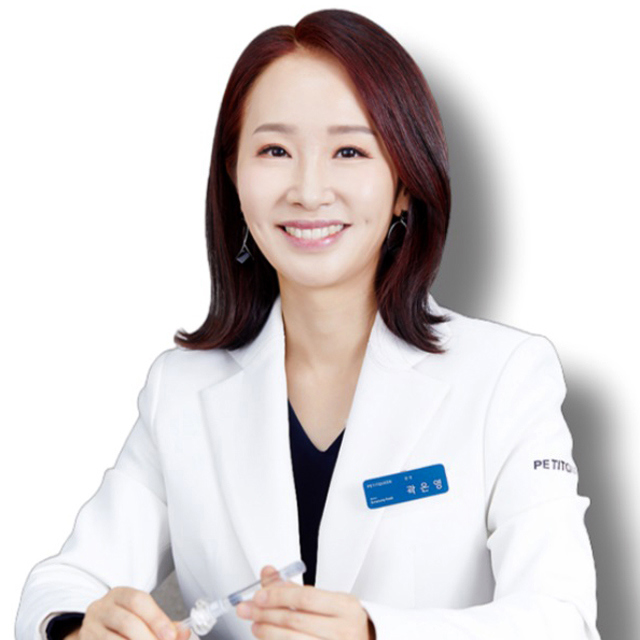
Dr. Eun-Young Kwak
Plastic Surgery/Petit Center Doctor
Choosing between two technologies that look interchangeable on a list of services is the part of this treatment that needs a doctor.
That choice rests with Dr. Eun-Young Kwak, who leads this area of the clinic's work and reviewed this page.
Dr. Eun-Young Kwak is a Director and the doctor who leads the clinic's plastic surgery and petit centre. She graduated from Yonsei University College of Medicine. She is a member of the Korean Academy of Women's Aesthetic Medicine, the Korean Aesthetic Wellbeing Society, the Korean Society for Obesity and Plastic Surgery, and the Korean Society of Anti-Aging Medicine, and she previously served as a director of I-Love Petit Clinic and of Petit Queen Clinic.
Her assessment takes in skin condition, treatment goals, medical history, medications, skin sensitivity and contraindications, and the technology is selected afterwards rather than before. The treatment plan that follows is built around that choice.
Who Is a Good Candidate for Laser & Microwave Lifting?
Adults with mild skin laxity who want gradual improvement.
Adults who understand the limitations of non-surgical lifting treatments.
Adults looking to improve firmness and facial contour without surgery or an extended recovery.
Patients with an active skin infection or an open wound in the treatment area may need to avoid or postpone treatment.
Certain photosensitivity conditions may make laser treatment unsuitable, and medical conditions that increase treatment risk are assessed case by case.
What to Expect: Procedure, Recovery, and Results Timeline
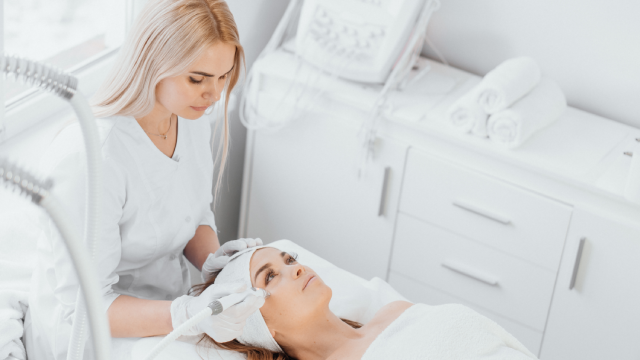
Everything begins with the question of which technology, if either, fits the skin in front of the clinician. Skin condition, treatment goals, medical history, medications, skin sensitivity and contraindications are all weighed before a technology and a plan are chosen.
Preparation has one extra item compared with other lifting treatments. Alongside your medical conditions, medications, implanted devices, previous procedures and any skin problems, disclose photosensitivity, because it bears directly on whether a laser can be used. Follow the instructions you are given about skincare products and sun exposure in the run-up, arrive with clean skin, and mention any recent cosmetic procedure in the same area. Irritated, infected or injured skin is not treated.
On the day, the area is prepared and the selected device is applied to the targeted zones according to its protocol, with protective measures that depend on the technology. Sensation is commonly warmth, tingling, mild stinging or passing discomfort, and it varies with the energy settings and with you.
Stage | What to expect |
|---|---|
Session length | Approximately 20 to 60 minutes |
Anesthesia | Often none; topical numbing or other comfort measures may be considered |
Redness or swelling | Usually settles within 1 to 2 weeks |
Visible tightening | Develops over 4 to 8 weeks |
Clearer result | Roughly 2 to 3 months; further change over the following months is possible |
Stay in Korea | Often 1 to 3 days, these being outpatient treatments with little downtime |
Flying home | Usually 1 to 3 days later, subject to your treating clinician's confirmation |
Aftercare is tied to the device that was used, so follow the specific instructions given rather than general advice found elsewhere. Keep skincare gentle and protect the treated area from the sun. Severe pain, blistering or skin changes that persist should be assessed medically.
The honest account of the outcome is modest. Firmness and the appearance of mild laxity may improve; results vary; and neither technology guarantees a surgical-level lift or the complete correction of excess skin.
Among the common side effects are temporary redness, swelling, warmth, tenderness and sensitivity, and depending on the technology, temporary skin irritation or pigment changes are also possible. The risks that carry more weight are burns, blistering, pigmentation changes, prolonged discomfort and uneven results, with nerve injury or unwanted tissue changes occurring rarely. All of these depend on the specific technology and the settings used.
Combining Laser & Microwave Lifting with Other Treatments
Either approach may be combined with selected skin-rejuvenation treatments when that is clinically appropriate.
Compatibility and timing depend on the devices involved, on the condition of the skin and on the overall treatment plan.
Because the two technologies in this group differ, a combination that makes sense with one may not make sense with the other.
The decision belongs to the consultation, where the cumulative risk can be weighed properly.
Safety, Precision, and Clinic Standards
Set out below, in the clinic's own published wording, are the standards it states for itself.
The clinic states its philosophy as: "We are committed to personalized 1:1 treatment plans tailored to each patient's condition and prioritize safety above all else in every procedure."
The clinic states that it carries out individualized pre-procedure consultations, limits surgeries to two per day, installs CCTV in all surgery and procedure rooms, and avoids unnecessary over-treatment.
Golden Balance Clinic is registered as a Medical Institution for Attracting Foreign Patients with the Republic of Korea's Ministry of Health and Welfare, under the Medical Overseas Expansion and Foreign Patients Attraction Act. That is a registration for treating international patients; it is not a facility accreditation.
English-language support is available through designated marketing, consultation, and global coordination staff, and the clinic names Scarlett Kim as its global coordinator, available from 10:00 to 20:00 KST.
Golden Balance Clinic is on the 12th floor of the Chunglim Building at 468 Gangnam-daero, Gangnam-gu, Seoul 06123, Republic of Korea. The clinic is open Monday to Sunday from 10:00 to 21:00 KST year-round, with a lunch break from 11:30 to 12:30 KST and last registration at 19:00 KST.
When a treatment can be delivered by more than one machine, knowing what to ask becomes the patient's main protection. The National Health Service suggests asking a practitioner how many of the procedures they have done, what qualifications and training they hold, what the most common complications are, what aftercare to expect and who will provide it, and what happens if something goes wrong or the result disappoints. It adds that the practitioner should explain exactly what the procedure involves, how long it will take and whether anaesthetic is needed, and should set out the pain to expect afterwards, the likely recovery, the potential risks and how long any result will last. The General Medical Council's standards for doctors offering cosmetic interventions point the same way from the clinician's side, requiring them to recognise and work within the limits of their competence.
The Bottom Line
Two different technologies sit under this heading, and the mechanism and treatment depth are not the same for both.
A session runs roughly 20 to 60 minutes and generally needs no anesthesia.
Redness or swelling usually settles within one to two weeks, and visible tightening develops across four to eight weeks.
Photosensitivity is a specific screening point for the laser option and should be declared before anything is planned.
Reported risks include burns, blistering, pigmentation changes, prolonged discomfort, uneven results and, rarely, nerve injury or unwanted tissue changes.
Frequently Asked Questions
Why are two different technologies listed as one treatment?
Because they are offered for the same purpose, not because they work the same way. Laser energy and microwave energy heat tissue by different means and reach different depths, and the clinic's record states that the mechanism and treatment depth vary by technology. The practical consequence is that the choice between them is clinical, and the consultation is where it is made.
Does it hurt?
Most people report warmth, tingling, mild stinging or temporary discomfort while the energy is being delivered. The strength of that sensation varies with the technology, the energy settings and individual sensitivity. Many treatments of this type need no anesthesia, but topical numbing can be considered depending on the device and the intensity planned.
I have a photosensitivity condition. Does that rule me out?
It may rule out the laser option specifically, which is why it needs to be declared at the consultation rather than discovered on the day. Suitability depends on the particular device and on clinical assessment, so a photosensitivity condition is a reason for a careful conversation rather than an automatic refusal of everything in this group.
How long before I see a difference?
Visible tightening develops over about four to eight weeks. The result may become clearer at roughly two to three months, and further improvement over several months is possible. The timeline depends on the device, the treatment plan and how you personally respond, so dates should be treated as a range rather than a schedule.
How many days do I need in Korea?
These are generally outpatient treatments with minimal downtime, and one to three days is often enough. Ask the clinic directly whether a follow-up visit is wanted before you book your flights. Most people can travel home after one to three days provided they feel well and the treating clinician agrees.
What are the risks I should weigh?
Burns, blistering, pigmentation changes, prolonged discomfort and uneven results are the ones to understand, and nerve injury or unwanted tissue changes are rare but possible. Which risks apply, and to what degree, depends on the specific technology and the settings used. Milder effects such as redness, warmth and tenderness are common and usually short-lived.
What are the alternatives if neither suits me?
Focused ultrasound, radiofrequency skin tightening, other laser treatments, injectable treatments and surgical lifting are the recorded options. Their suitability, effectiveness, risks and downtime all differ. Where the laxity is beyond what any non-surgical method can address, the consultation should say so rather than offer a session anyway.
Book a Consultation at Golden Balance Clinic
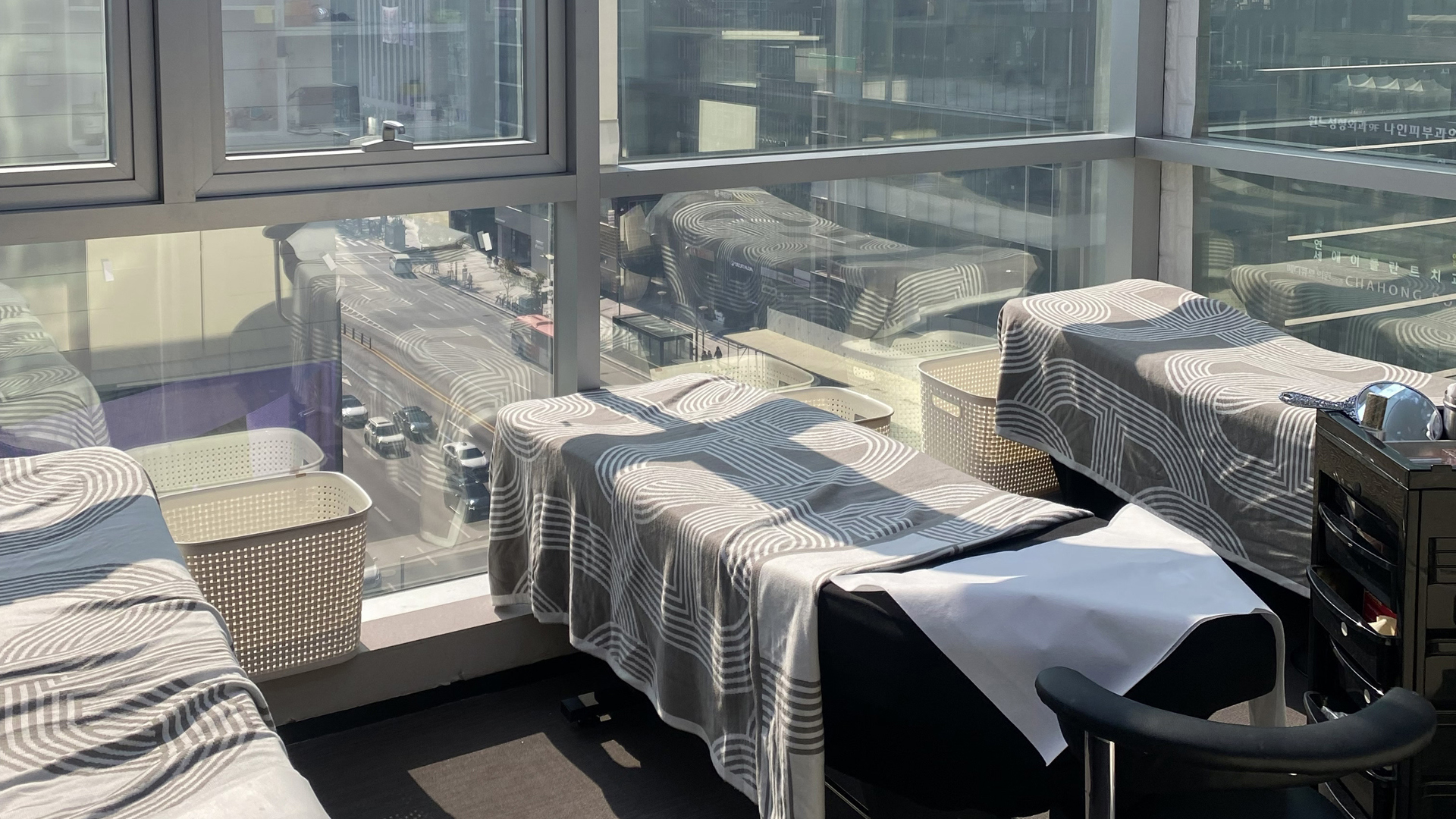
Laser & Microwave Lifting is delivered at the clinic's Gangnam-gu premises in Seoul, and the examination settles which of the two technologies, if either, suits your skin. Before-and-after photographs of the clinic's own patients are published at clinic's gallery.
Contact Golden Balance Clinic through the clinic contact page, by phone on +82-2-516-7148, or by email at info@goldenbalanceclinic.com.
Disclaimer
For informational purposes only. Individual results may vary depending on each patient's medical history, physical condition, anatomy, treatment plan, and recovery. The suitability of gynecological, aesthetic, dermatological, injectable, and other medical procedures should be determined through an individual consultation with a qualified medical professional. All treatments may involve potential risks, side effects, and recovery requirements, which should be discussed before treatment. Information provided by Golden Balance Clinic does not replace professional medical advice, diagnosis, or treatment. Results may vary and individual experiences may differ.
Sources & Further Reading
MedlinePlus — National Library of Medicine encyclopedia entry on laser surgery for the skin: how the light beam acts on tissue, the use of lasers to improve loose skin from aging, the listed risks, and the note that most such procedures are done while the patient is awake.
Lasers in Medical Science — prospective study of a 2.45 GHz non-invasive microwave device for submental skin laxity: the two-session protocol, the change in laxity grade at twelve weeks, the contact cooling of the superficial skin, and the authors' statement about the small sample.
National Health Service — advice on choosing a practitioner for a cosmetic procedure, including the questions to ask about training and complications and what the practitioner should explain about the procedure and its aftermath.
General Medical Council — professional standards for doctors who offer cosmetic interventions, including the requirement to work within the limits of one's competence.
Other Services
Explore additional treatments offered by our specialists.
Eyebrow Semi-Permanent Makeup
Eyebrow semi-permanent makeup is a cosmetic tattooing procedure that deposits pigment into the skin to enhance eyebrow shape, definition, and color.
Learn More
Facial Contour Micropigmentation
Facial contour micropigmentation refers to depositing pigment into the skin to create or enhance selected facial features.
Learn More
Eyeliner & Eye Enhancement PMU
Eyeliner PMU is a cosmetic tattooing procedure that deposits pigment into the skin around the eyelids to create a longer-lasting eyeliner effect.
Learn More