Personalized Medical Care & Dedicated International Patient Concierge

Dermatology & Laser Treatments · Consultation Required
Medical Skin Care & Peels
Medical skin care and chemical peels are treatments selected according to skin condition and treatment goals.
Schedule a ConsultationMedical Skin Care and Peels in Seoul, Republic of Korea

Medically reviewed by Dr. Eun-Young Kwak, MD, graduate of Yonsei University College of Medicine, and Dr. Yu-Jin Oh, board-certified obstetrician-gynecologist Golden Balance Clinic, Gangnam-gu, Seoul
Medical skin care and chemical peels are treatments selected according to skin condition and treatment goals. A chemical peel uses a chemical solution to exfoliate controlled layers of the skin, and depending on the peel type and depth it may help improve uneven pigmentation, some forms of acne, rough texture, dullness and fine lines. Not every medical skin care treatment involves a chemical peel, which is why the assessment comes before the name of the treatment.
What Is Medical Skin Care & Peels?
Medical skin care and peels is a group of clinician-selected treatments for the skin's surface, of which a chemical peel — a solution applied to exfoliate controlled layers — is one option rather than the whole category.
A session typically takes about 30 to 60 minutes.
Peels generally do not require any anesthesia.
The depth of the peel decides most of what follows, including recovery.
Suitability depends on skin type, pigmentation history, current skin health and realistic expectations.
These treatments sit within the clinic's Dermatology & Laser Treatments work in Gangnam-gu.
Depth is the organising idea, and DermNet sets it out clearly. It describes a chemical peel as the application of one or more chemicals that remove damaged cells and resurface the skin, notes that peels may result in superficial, moderate-depth or deep skin injury, and groups the three principal types as alpha-hydroxy acid peels, trichloroacetic acid peels, and the phenol-croton oil peel. Superficial peels using glycolic acid, salicylic acid or Jessner solution are well tolerated — the so-called lunchtime peel — and DermNet adds a point patients should hear early: the result of a first superficial peel may be disappointing, with significant improvement usually evident only after repeated peels.
Skin tone changes the calculus. DermNet files Fitzpatrick skin types IV to VI under contraindications: in those skin types the chance of uneven pigment and of raised or keloid scars is higher, so a peel is carried out cautiously and only with full informed consent. It also notes that lighter peels are chosen for darker skin, because of what post-inflammatory pigmentation can do afterwards. The American Academy of Dermatology makes the same point from the other direction: people with skin of color can safely have a chemical peel, but should see a dermatologist with expertise in treating darker skin tones, because without that expertise lasting pigment problems can develop.
One thing worth settling before you read any further about products: the United States Food and Drug Administration has warned consumers not to purchase or use certain chemical peel skin products without appropriate professional supervision, because of the risk of serious skin injuries. Its statement explains that these products contain ingredients such as trichloroacetic acid, glycolic acid, salicylic acid and lactic acid at concentrations too high to be used safely at home, and that they may cause severe chemical burns, pain, swelling, infection, skin colour changes and disfiguring scars.
Who Performs Medical Skin Care & Peels at Golden Balance Clinic
|
|
Dr. Eun-Young Kwak | Dr. Yu-Jin Oh |

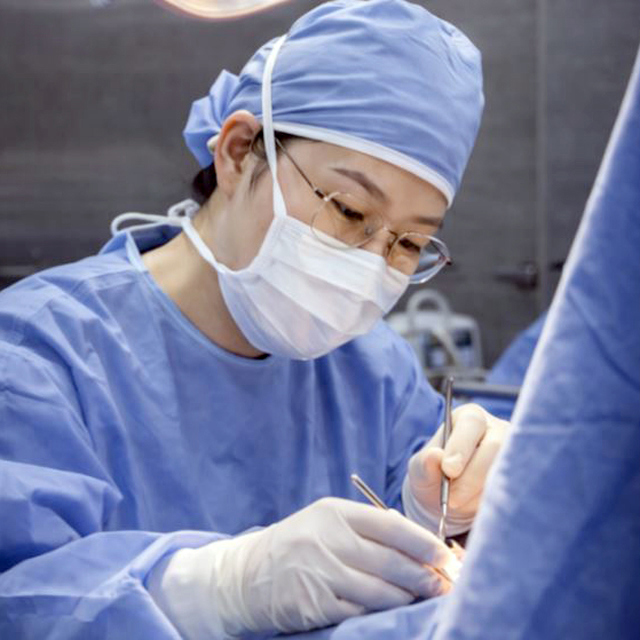
The same two doctors who carry the clinic's dermatological work are responsible here, and both reviewed this page.
Named first on the clinic's record for this group is Dr. Eun-Young Kwak, a Director. Both doctors perform this service; the clinic does not assign it to one of them. The practical answer to "who will I see" comes from the clinic when the appointment is arranged.
Dr. Eun-Young Kwak is a Director and the doctor who leads the clinic's plastic surgery and petit centre. She graduated from Yonsei University College of Medicine. She is a member of the Korean Academy of Women's Aesthetic Medicine, the Korean Aesthetic Wellbeing Society, the Korean Society for Obesity and Plastic Surgery, and the Korean Society of Anti-Aging Medicine, and she previously served as a director of I-Love Petit Clinic and of Petit Queen Clinic.
Also covering this work is Dr. Yu-Jin Oh, whose society memberships extend into medical aesthetics and dermatology.
Dr. Yu-Jin Oh is a Director and a board-certified obstetrician-gynecologist with 23 years of experience. She graduated from Jeonbuk National University Medical School, completed her internship at Samsung Medical Center Cheil General Hospital, and completed residency training in obstetrics and gynecology at Samsung Medical Center Kangbuk Samsung Hospital. She is a member of the Korean Society of Obstetrics and Gynecology, the Korean Academy of Functional Medicine, and the Korean Society of Medical Aesthetics and Dermatology.
The consultation is substantial rather than a formality. The clinician goes over your concerns, medical history, medications, allergies, previous procedures, any history of cold sores, and any tendency to scarring or pigmentation. The skin is then examined for acne, inflammation, pigmentation, sensitivity, texture and tone. Only after that does the clinician decide whether a peel is appropriate at all, select its type and depth, explain the likely outcomes and risks, and set out the preparation and aftercare.
Medical Skin Care & Peels Options Available
The clinic's record lists several routes to the same concerns, and a peel is not automatically the right one.
Option | When the record points to it |
|---|---|
Chemical peel | Controlled exfoliation for superficial pigmentation, uneven tone, rough texture, selected acne concerns and fine lines |
Clinician-directed topical regimen | Where a topical approach is more appropriate for the diagnosis |
Acne medication | Where the underlying problem is active acne rather than surface texture |
Pigment-targeting treatments | Where pigmentation is the primary concern |
Microdermabrasion | An alternative mechanical approach to surface renewal |
Selected laser procedures | Where the diagnosis calls for a light-based approach |
Deeper acne scars and other complex conditions may need alternative or combined treatments; the record is explicit that certain scars require other procedures entirely.
Who Is a Good Candidate for Medical Skin Care & Peels?
Adults with suitable skin conditions — selected forms of acne, superficial pigmentation, uneven tone, rough texture or fine lines — who want improvement through controlled exfoliation.
People whose skin type, pigmentation history, current skin health and tolerance for the chosen depth have been assessed together.
People holding realistic expectations about what controlled exfoliation changes.
Active skin infection, an open wound, significant irritation or an uncontrolled inflammatory skin condition means postponing or avoiding treatment.
A history of cold sores, abnormal scarring, recent isotretinoin use, photosensitizing medicines, pregnancy, or a tendency toward post-inflammatory hyperpigmentation is reviewed individually.
What to Expect: Procedure, Recovery, and Results Timeline
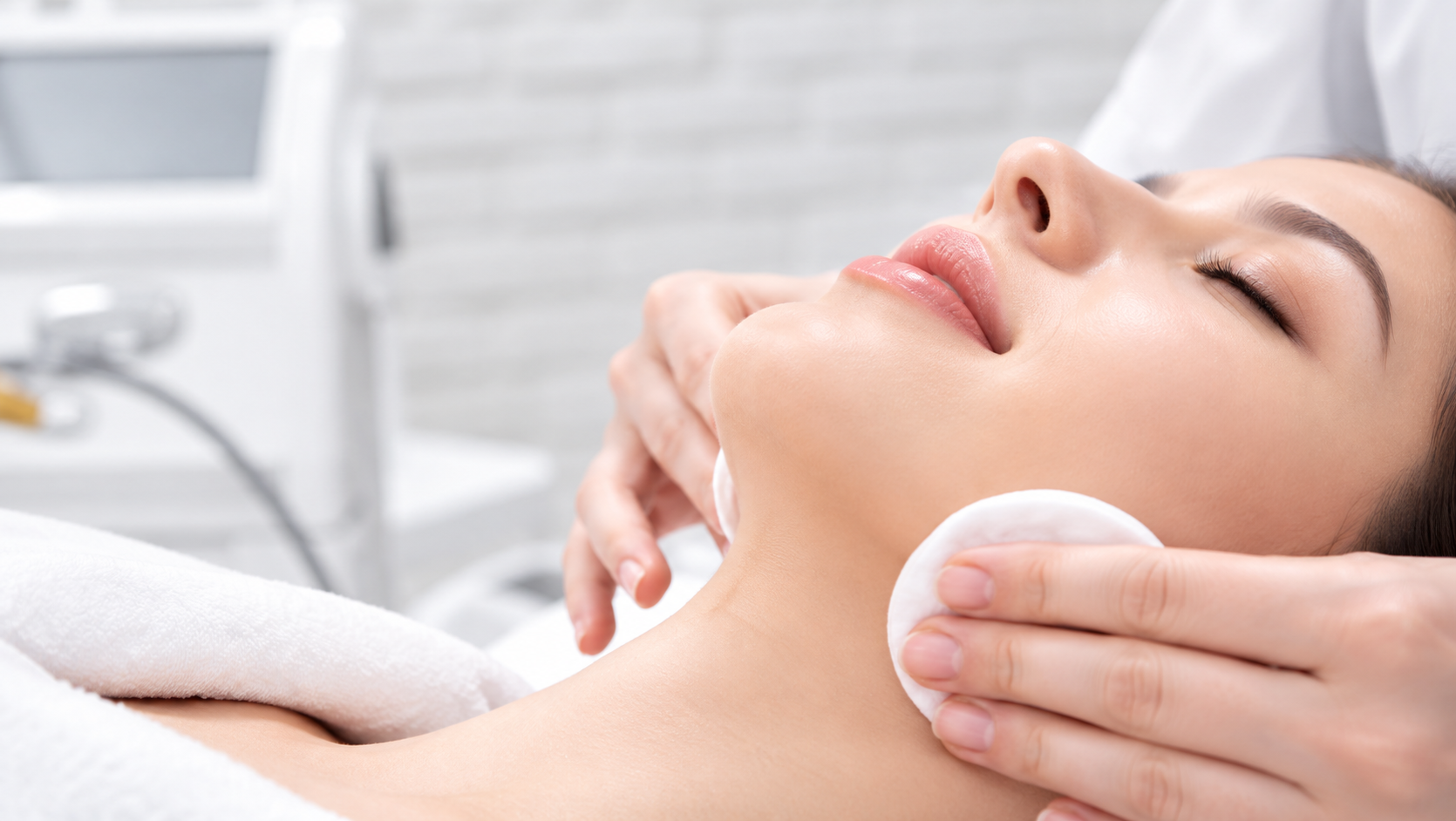
Preparation can start weeks ahead. Follow the clinician's instructions about skincare products and sun protection, and disclose all your medicines and supplements, previous cosmetic treatments, isotretinoin use, cold sore history and any tendency toward abnormal scarring or pigmentation. Depending on the peel, a preparatory skincare plan may be recommended for two to four weeks. The American Academy of Dermatology describes the same practice, noting that a pre-peel skin care plan of two to four weeks can improve results and reduce potential side effects.
Arrive with skin in good condition. Sunburned, broken, infected or significantly irritated skin is a reason to reschedule, and you should not start, stop or change prescription medication or exfoliating skincare on your own initiative before an appointment.
The session itself has five steps: reviewing the skin and confirming suitability, cleansing the treatment area, applying the selected peel solution for a controlled period, monitoring the skin and neutralizing or removing the solution when the specific product requires it, and finishing with appropriate soothing or protective products.
Sensation depends on type and depth. Superficial treatments may cause mild tingling, stinging, warmth or temporary irritation, while medium-depth and deep chemical peels can cause more significant discomfort. Tell the clinician during treatment if you feel intense burning or unusual pain.
Stage | What to expect |
|---|---|
Session length | About 30 to 60 minutes |
Anesthesia | Generally none required |
Recovery | Approximately 1 to 7 days |
Common effects | Redness, dryness, tightness, stinging, sensitivity, flaking or peeling |
Results appearing | Around 2 to 5 weeks |
Stay in Korea | 0 to 1 day for routine medical skin care or a superficial peel done the same day as the consultation |
Flying home | Usually that day or the one after, subject to the clinician confirming you are fit to travel |
Aftercare does more work here than in most treatments. Use the recommended gentle cleanser, moisturizer and wound-care products, apply broad-spectrum sunscreen of SPF 30 or higher when appropriate, protect the skin from direct sun and avoid tanning. Do not pick, peel or scratch flaking skin. Keep makeup, exfoliants, retinoids and other potentially irritating products away until the clinician confirms they are safe to resume, and seek medical advice for worsening pain, increasing redness, blisters or signs of infection.
Two independent sources explain why that list is not padding. DermNet's advice after a peel is to keep treated areas cool, not to pick — picking delays healing and causes scarring — to moisturise, and to protect the skin from the sun especially for the first six months. Queensland Health adds a reason that applies to the whole category: any service that exposes layers of skin, chemical peels among them, can increase the risk from sun exposure.
What the treatment delivers depends on which peel was chosen. Potential benefits include smoother texture, a brighter-looking complexion, improvement in uneven pigmentation, reduction in some acne-related concerns and softening of fine lines. Results vary with the indication, the peel depth, your skin's characteristics and how closely the aftercare is followed.
The honest risk list runs from the ordinary to the serious. Temporary redness, stinging, dryness, flaking, swelling and increased sensitivity are common, and depending on the peel there may also be swelling and crusting along with temporary pigment changes. Possible complications include prolonged redness, acne flares, infection, cold sore reactivation, uneven pigmentation or lightening, and scarring. Pigment change deserves particular attention in darker skin tones and in anyone with a history of pigmentation problems, and deeper peels generally carry greater risks. The American Academy of Dermatology notes that where serious side effects do occur it is often because instructions were not followed — failing to protect the skin from the sun, not caring for the wound as directed, scratching treated skin or picking off a scab, or applying makeup before the skin heals.
Combining Medical Skin Care & Peels with Other Treatments
A peel may be included in a broader plan alongside topical therapy or other procedures.
The combination and the order belong to a qualified clinician, not to a package chosen in advance.
Treatments that irritate or injure the skin should not be combined indiscriminately, because doing so can increase inflammation and pigment change or delay healing.
Safety, Precision, and Clinic Standards
Below is the clinic's own published wording about how it works, left as written.
The clinic states its philosophy as: "We are committed to personalized 1:1 treatment plans tailored to each patient's condition and prioritize safety above all else in every procedure."
The clinic states that it carries out individualized pre-procedure consultations, limits surgeries to two per day, installs CCTV in all surgery and procedure rooms, and avoids unnecessary over-treatment.
Golden Balance Clinic is registered as a Medical Institution for Attracting Foreign Patients with the Republic of Korea's Ministry of Health and Welfare, under the Medical Overseas Expansion and Foreign Patients Attraction Act. That is a registration for treating international patients; it is not a facility accreditation.
English-language support is available through designated marketing, consultation, and global coordination staff, and the clinic names Scarlett Kim as its global coordinator, available from 10:00 to 20:00 KST.
Golden Balance Clinic is on the 12th floor of the Chunglim Building at 468 Gangnam-daero, Gangnam-gu, Seoul 06123, Republic of Korea. The clinic is open Monday to Sunday from 10:00 to 21:00 KST year-round, with a lunch break from 11:30 to 12:30 KST and last registration at 19:00 KST.
The Bottom Line
A peel exfoliates controlled layers of skin; depth decides the result, the recovery and the risk.
Not every medical skin care treatment is a peel, and the assessment decides which route fits.
A session runs about 30 to 60 minutes and generally needs no anesthesia.
Recovery takes roughly one to seven days, with results appearing over about two to five weeks.
Pigment history and skin tone matter: uneven pigmentation and lightening are real risks, and deeper peels carry more of them.
Frequently Asked Questions
Will I definitely be offered a peel?
Not necessarily. The clinician decides whether a peel is appropriate at all, and the alternatives on the record include a clinician-directed topical regimen, acne medication, pigment-targeting treatments, microdermabrasion and selected laser procedures. Deeper acne scars and other complex conditions may need a different approach altogether.
How uncomfortable is it?
That depends on the type and depth. Superficial treatments tend to produce mild tingling, stinging, warmth or passing irritation, while medium-depth and deep peels can be considerably more uncomfortable. Peels generally do not require anesthesia — and you should speak up during the treatment if you feel intense burning or unusual pain.
How long before my skin looks settled, and before I see a result?
Recovery takes approximately one to seven days, during which redness, dryness, tightness, flaking or peeling are normal. The improvement itself appears over roughly two to five weeks. Those are two different clocks, and confusing them is the usual source of disappointment in the first week.
Does my skin tone change the plan?
It can. The risk of pigment change deserves particular attention in darker skin tones and in anyone who has had pigmentation problems before, which is part of why the consultation asks about your pigmentation history. Lighter peels are generally chosen in darker skin for that reason.
What should I tell the clinician beforehand?
All your medicines and supplements, previous cosmetic treatments, any recent isotretinoin use, your cold sore history, and any tendency toward abnormal scarring or pigmentation. Photosensitizing medicines and pregnancy are reviewed individually. Do not change prescription medication yourself in order to qualify for a treatment.
Why is picking at flaking skin such a big deal?
Because the flaking is the treatment working, and interfering with it is how a straightforward recovery turns into a complication. Picking delays healing and can cause scarring. Leave scabs and peeling skin alone, keep the area moisturised as instructed, and let it finish.
How should I plan the trip?
A stay of nought to one day is generally sufficient for routine medical skin care or a superficial peel if the consultation and treatment can be completed on the same day. You can usually fly home that day or the following day once the clinician confirms you are fit to travel.
What counts as a reason to get medical advice afterwards?
Worsening pain, increasing redness, blisters or any sign of infection. Ordinary recovery trends in the right direction over a few days; anything that trends the other way is worth a message rather than a wait. If you have already travelled, the clinic's details sit at the end of this page, and a local doctor can examine the skin in person.
Book a Consultation at Golden Balance Clinic
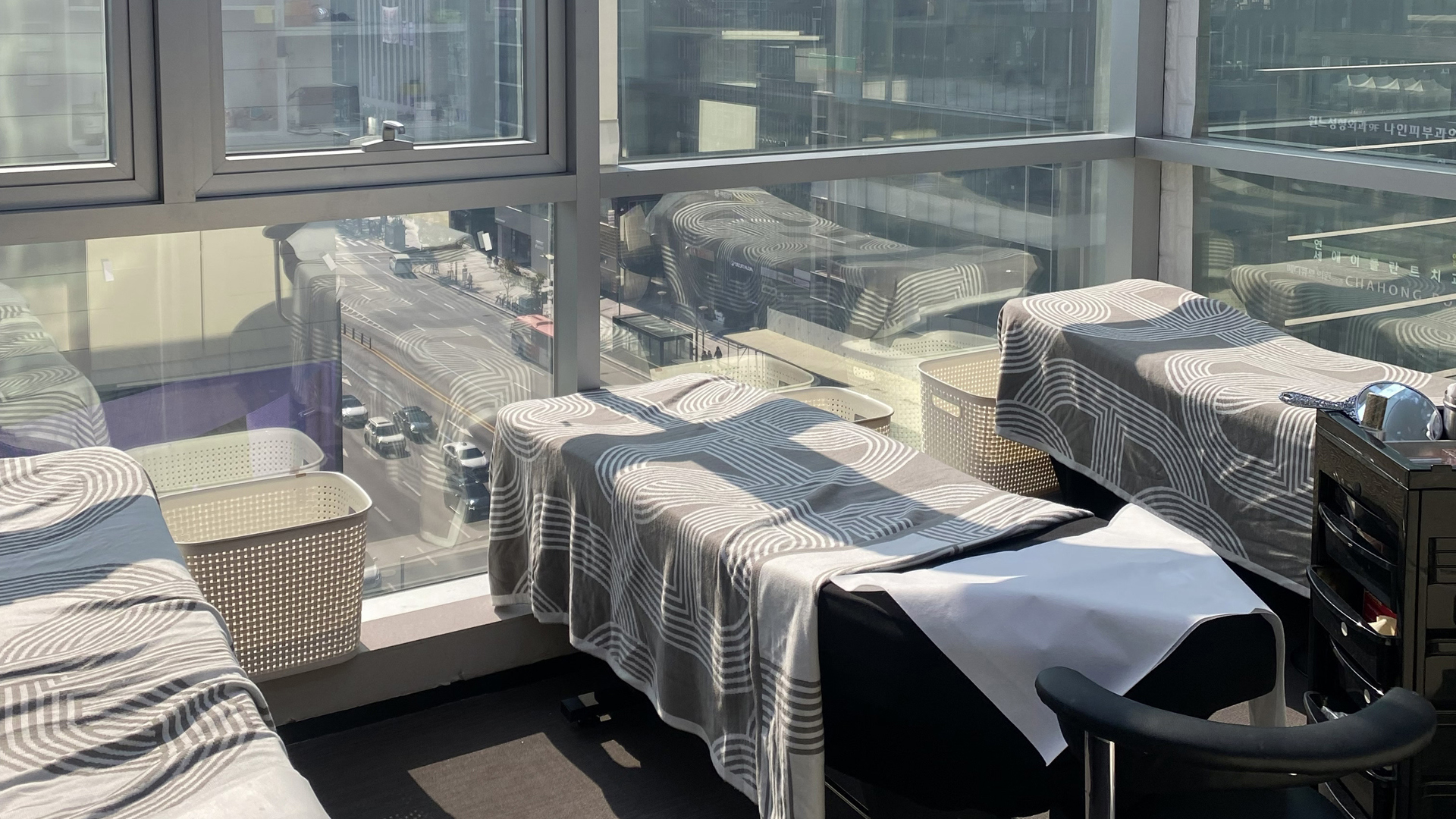
Medical skin care and chemical peels are provided at the clinic in Gangnam-gu, Seoul, and the examination that opens the visit decides the route, the depth and whether a peel belongs in the plan at all. Images of the clinic's own work are published at clinic's gallery.
Contact Golden Balance Clinic through the clinic contact page, by phone on +82-2-516-7148, or by email at info@goldenbalanceclinic.com.
Disclaimer
For informational purposes only. Individual results may vary depending on each patient's medical history, physical condition, anatomy, treatment plan, and recovery. The suitability of gynecological, aesthetic, dermatological, injectable, and other medical procedures should be determined through an individual consultation with a qualified medical professional. All treatments may involve potential risks, side effects, and recovery requirements, which should be discussed before treatment. Information provided by Golden Balance Clinic does not replace professional medical advice, diagnosis, or treatment. Results may vary and individual experiences may differ.
Sources & Further Reading
DermNet — the three principal peel types, the superficial/moderate/deep distinction, the higher dyspigmentation and scarring risk in Fitzpatrick types IV to VI, and the after-peel advice on cooling, not picking and sun protection.
American Academy of Dermatology — the two-to-four-week pre-peel plan, the expertise needed to treat darker skin tones safely, and why serious side effects usually follow instructions not being kept.
Food and Drug Administration — the 2024 warning against using chemical peel products without professional supervision, the acids involved, and the injuries reported.
Queensland Government — any service that exposes layers of skin, chemical peels included, raises the risk from sun exposure afterwards.
Other Services
Explore additional treatments offered by our specialists.
Eyebrow Semi-Permanent Makeup
Eyebrow semi-permanent makeup is a cosmetic tattooing procedure that deposits pigment into the skin to enhance eyebrow shape, definition, and color.
Learn More
Facial Contour Micropigmentation
Facial contour micropigmentation refers to depositing pigment into the skin to create or enhance selected facial features.
Learn More
Eyeliner & Eye Enhancement PMU
Eyeliner PMU is a cosmetic tattooing procedure that deposits pigment into the skin around the eyelids to create a longer-lasting eyeliner effect.
Learn More