Personalized Medical Care & Dedicated International Patient Concierge

Dermatology & Laser Treatments · Consultation Required
Melasma & Pigmentation Treatment
Melasma and pigmentation treatment in Seoul is a non-surgical approach used to improve the appearance of dark patches, uneven skin tone, freckles, sun spots and other forms of pigmentation.
Schedule a ConsultationMelasma and Pigmentation Treatment in Seoul, Republic of Korea

Medically reviewed by Dr. Eun-Young Kwak, MD, graduate of Yonsei University College of Medicine, and Dr. Yu-Jin Oh, board-certified obstetrician-gynecologist Golden Balance Clinic, Gangnam-gu, Seoul
Melasma and pigmentation treatment in Seoul is a non-surgical approach used to improve the appearance of dark patches, uneven skin tone, freckles, sun spots and other forms of pigmentation. Depending on the type and the depth of the pigment, the session may use laser toning, a picosecond laser, intense pulsed light or another light-based method. What is being addressed is the colour held in the skin, not its texture and not its contour.
What Is Melasma & Pigmentation Treatment?
It is a planned course of laser or light-based sessions directed at pigment that has already been examined and classified, with the method and the settings chosen to match what that examination found.
Pigment is not a single finding. Melasma, freckles, sun spots and the marks left behind by earlier inflammation each behave differently, and the clinic's record treats the type, location, depth and severity of the pigment as the first thing to establish.
One session runs approximately twenty to forty minutes, and a course is typically three to six sessions.
Many pigmentation laser and light-based treatments can be performed without anesthesia, although topical numbing may be used for certain treatments or for patients who are more sensitive to discomfort.
Change arrives slowly. The clinic's record describes improvement as usually gradual, dependent on multiple sessions, and states plainly that melasma can recur and may require ongoing maintenance.
The service sits inside the clinic's Dermatology & Laser Treatments department on the 12th floor in Gangnam-gu.
That last caution is not a local hedge; it is what the wider literature says about this particular condition. The American Academy of Dermatology states that there is no one best treatment for melasma, that the most effective approach often combines sun protection with medication applied to the skin and sometimes a procedure, and that when a treatment plan is followed it usually takes between three and twelve months to see results. DermNet describes melasma as a common acquired disorder presenting as bilateral, blotchy brownish facial pigmentation, and separates it into epidermal, dermal and mixed forms — the epidermal type usually responding well, the dermal type usually responding poorly, and the mixed type, which is the most common, showing partial improvement.
Pigmentation that is not melasma can behave quite differently again, which is why the diagnosis is made before the device is chosen rather than after. The National Library of Medicine's MedlinePlus encyclopedia notes that melasma is often associated with the hormones estrogen and progesterone and is common in pregnancy, in women taking oral contraceptives and in women using hormone replacement therapy, and that it often fades over several months once a hormone medicine is stopped or a pregnancy ends.
Who Performs Melasma & Pigmentation Treatment at Golden Balance Clinic
|
|
Dr. Eun-Young Kwak | Dr. Yu-Jin Oh |

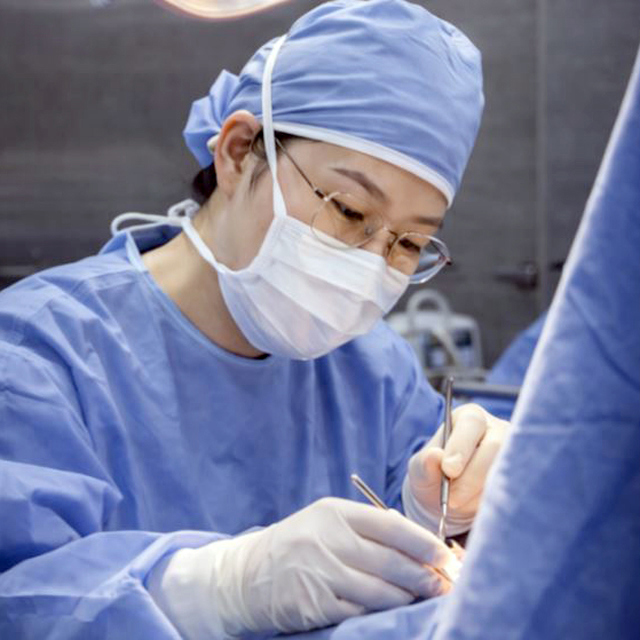
Two doctors are listed for this part of the clinic's work, and the listing is made at the level of the department rather than the individual appointment. Both doctors perform this service; the clinic does not assign it to one of them. Reading the pigment before selecting a wavelength is the step that decides everything after it, and it is where Dr. Eun-Young Kwak begins.
Dr. Eun-Young Kwak is a Director and the doctor who leads the clinic's plastic surgery and petit centre. She graduated from Yonsei University College of Medicine. She is a member of the Korean Academy of Women's Aesthetic Medicine, the Korean Aesthetic Wellbeing Society, the Korean Society for Obesity and Plastic Surgery, and the Korean Society of Anti-Aging Medicine, and she previously served as a director of I-Love Petit Clinic and of Petit Queen Clinic.
The second name on the list is Dr. Yu-Jin Oh, whose society memberships include a dermatological and medical aesthetics body alongside her gynecological ones.
Dr. Yu-Jin Oh is a Director and a board-certified obstetrician-gynecologist with 23 years of experience. She graduated from Jeonbuk National University Medical School, completed her internship at Samsung Medical Center Cheil General Hospital, and completed residency training in obstetrics and gynecology at Samsung Medical Center Kangbuk Samsung Hospital. She is a member of the Korean Society of Obstetrics and Gynecology, the Korean Academy of Functional Medicine, and the Korean Society of Medical Aesthetics and Dermatology.
Whoever sees you, the consultation covers the same ground: the type, location, depth and severity of the pigmentation are evaluated, and your medical history, medications, previous treatments, skin sensitivity and sun exposure are reviewed. The treatment method and the settings are then selected according to your skin condition and your goals.
Who Is a Good Candidate for Melasma & Pigmentation Treatment?
Adults with melasma, freckles, sun spots, post-inflammatory pigmentation or uneven skin tone who have been evaluated as suitable for laser or light-based treatment.
People whose pigmentation has been classified by type and depth rather than described only as a dark patch, since the classification is what the treatment plan follows.
People with an active skin infection, significant skin irritation, sunburn or recent excessive tanning may need to postpone treatment.
People taking photosensitizing medications, and people with certain skin conditions, may require additional medical assessment before anything is arranged.
Anyone who has had pigmentation return or worsen after a previous laser treatment elsewhere; the clinic's record keeps that assessment open.
What to Expect: Procedure, Recovery, and Results Timeline
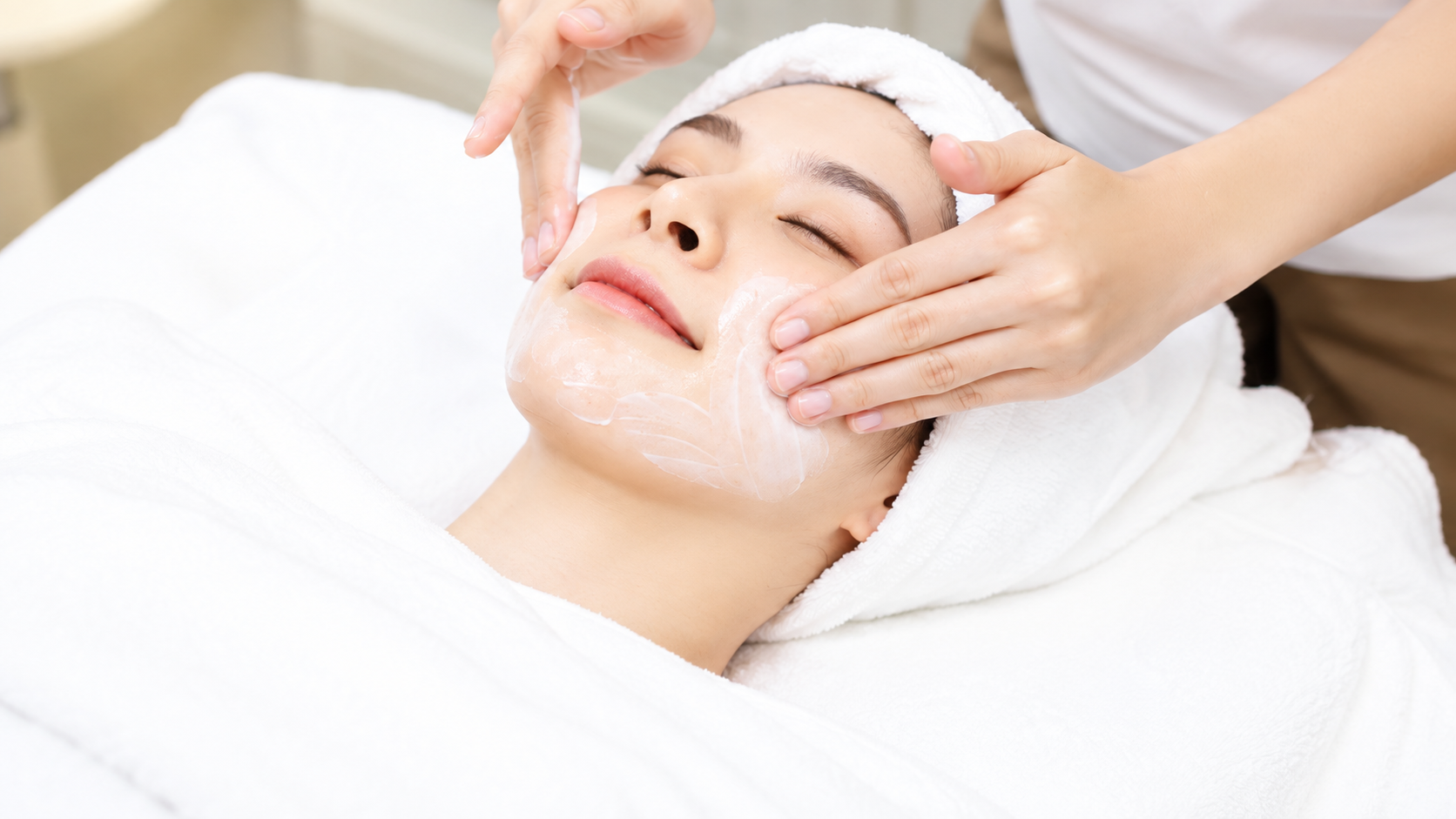
Preparation starts well before the appointment. Avoid excessive sun exposure, tanning beds and self-tanning products for about two to four weeks beforehand, and avoid irritating skincare products such as retinoids, exfoliating acids or strong scrubs for the period your clinician recommends. Tell the clinician about medications, supplements, allergies, recent skin treatments and any history of abnormal pigmentation or sensitivity. Instructions vary with the laser or light-based method planned, so follow the clinic's own preparation list rather than a general one.
The session itself is short and orderly. The skin is assessed and cleansed, the treatment area is prepared, the selected device is applied at the chosen settings, cooling or soothing care is given where appropriate, and you leave with aftercare and sun-protection instructions. Most patients describe the sensation as brief and warm rather than painful.
Stage | What the clinic records |
|---|---|
Session length | Approximately 20 to 40 minutes |
Number of sessions | Typically 3 to 6 |
Pain control | Often none required; topical numbing for selected treatments or sensitive patients |
Redness and sensitivity | Usually subside within 1 week |
Normal activities | Resume as tolerated |
First visible change | 2 to 4 weeks |
Continued improvement | Over 4 to 8 weeks |
Final assessment | 1 to 3 months after treatment, often after several sessions |
Minimum stay in Korea | 1 to 2 days for a single session |
Flying home | Often the same day after a routine session, if you feel well and the treating clinician has no concerns |
Aftercare is simple and relentless rather than complicated. Use gentle skincare, keep the treated area protected from the sun, apply sunscreen as directed and avoid unnecessary sun exposure. Do not pick or scratch treated areas, and set aside irritating exfoliants or active skincare products for as long as you are advised to. Maintenance and sun protection are what the clinic's record credits with prolonging the result.
Temporary redness, warmth, swelling, sensitivity, dryness or a darkening of the treated pigment may follow a session, and some patients see crusting or flaking. Less common complications include burns, prolonged pigmentation changes and hypopigmentation. Melasma may also temporarily worsen or recur after treatment, which is a documented feature of the condition rather than a sign that something went wrong.
How often it returns has been measured. A review of laser and light therapy in melasma published in the International Journal of Women's Dermatology reports that approximately half of patients will have recurrence to some degree within three to six months of a laser- or light-based procedure, regardless of the type of device used, and that counselling before treatment should disclose that procedural treatments are not cures for melasma. The same review places control of risk factors and topical therapy as first-line care, chemical peels as second-line, and laser and light devices further up the ladder, suited to pigmentation that has not responded to those earlier steps.
Combining Melasma & Pigmentation Treatment with Other Treatments
Depending on the condition of the skin, pigmentation treatment may be combined with medical skincare, chemical peels or other skin treatments.
Combination treatment should be determined by the treating clinician, specifically to avoid unnecessary irritation or over-treatment.
Where the diagnosis points elsewhere, the alternatives recorded are prescription or medical skincare, topical pigment-lightening treatments, chemical peels and other dermatological procedures.
Which of those is appropriate depends on the cause and the type of the pigmentation, not on preference.
Safety, Precision, and Clinic Standards
The paragraphs below are the clinic's own published statements about how it works, reproduced without rewording.
The clinic states its philosophy as: "We are committed to personalized 1:1 treatment plans tailored to each patient's condition and prioritize safety above all else in every procedure."
The clinic states that it carries out individualized pre-procedure consultations, limits surgeries to two per day, installs CCTV in all surgery and procedure rooms, and avoids unnecessary over-treatment.
Golden Balance Clinic is registered as a Medical Institution for Attracting Foreign Patients with the Republic of Korea's Ministry of Health and Welfare, under the Medical Overseas Expansion and Foreign Patients Attraction Act. That is a registration for treating international patients; it is not a facility accreditation.
English-language support is available through designated marketing, consultation, and global coordination staff, and the clinic names Scarlett Kim as its global coordinator, available from 10:00 to 20:00 KST.
Golden Balance Clinic is on the 12th floor of the Chunglim Building at 468 Gangnam-daero, Gangnam-gu, Seoul 06123, Republic of Korea. The clinic is open Monday to Sunday from 10:00 to 21:00 KST year-round, with a lunch break from 11:30 to 12:30 KST and last registration at 19:00 KST.
The Bottom Line
The target is pigment — dark patches, freckles, sun spots, post-inflammatory marks and uneven tone — assessed by type and depth before any device is selected.
A session takes roughly twenty to forty minutes, and three to six sessions is the usual course.
Visible change is recorded at two to four weeks, with continued improvement over four to eight weeks and a final assessment at one to three months.
Sun protection is not an optional extra afterwards; the clinic's record ties it directly to how long the result lasts.
Melasma can recur and may need ongoing maintenance, and no result here is described as permanent or guaranteed.
Frequently Asked Questions
Will the pigmentation come back?
It can. The clinic's record states that melasma in particular may recur and can require ongoing maintenance, and that results are neither permanent nor guaranteed. Sun exposure is the factor most often implicated, which is why the aftercare instructions treat sun protection as part of the treatment rather than as advice given afterwards.
How many sessions should I plan for?
Typically three to six, with the exact number depending on the type and severity of the pigmentation and on how your skin responds. Final results are generally assessed one to three months after treatment, usually once several sessions have been completed.
Does it hurt?
Many pigmentation laser and light-based treatments are carried out without anesthesia. Topical numbing may be used for certain treatments or for patients who are more sensitive to discomfort, and cooling or soothing care is given during or after the session when appropriate.
What do I need to stop doing before my appointment?
Stay out of strong sun, and leave tanning beds and self-tanning products alone for roughly two to four weeks beforehand. Pause retinoids, exfoliating acids and strong scrubs for the period your clinician specifies, and tell the clinic about every medication, supplement, allergy and recent skin treatment, because photosensitizing medicines change what can safely be used.
Can I fit this into a short trip to Seoul?
A single session needs a minimum stay of one to two days, depending on the method used and on whether a follow-up is planned. Many patients can fly home the same day after a routine session if they feel well and the treating clinician has no concerns. A full course of three to six sessions is not something a single short visit can contain.
My pigmentation got worse after a laser treatment somewhere else. Is that unusual?
Temporary darkening of treated pigment is a recognised effect, and melasma can worsen or return after treatment. The clinic's record keeps open the assessment of pigmentation that has returned or worsened after previous laser treatment, so bring the dates, the type of treatment and any photographs you have, since the plan depends on what was done before.
When will I actually see something?
Gradual improvement may appear within two to four weeks, with continued improvement over four to eight weeks. Maintenance and sun protection are what the clinic credits with prolonging it. Expecting a visible change after one session is the most common mismatch between what patients hope for and what the record describes.
Book a Consultation at Golden Balance Clinic
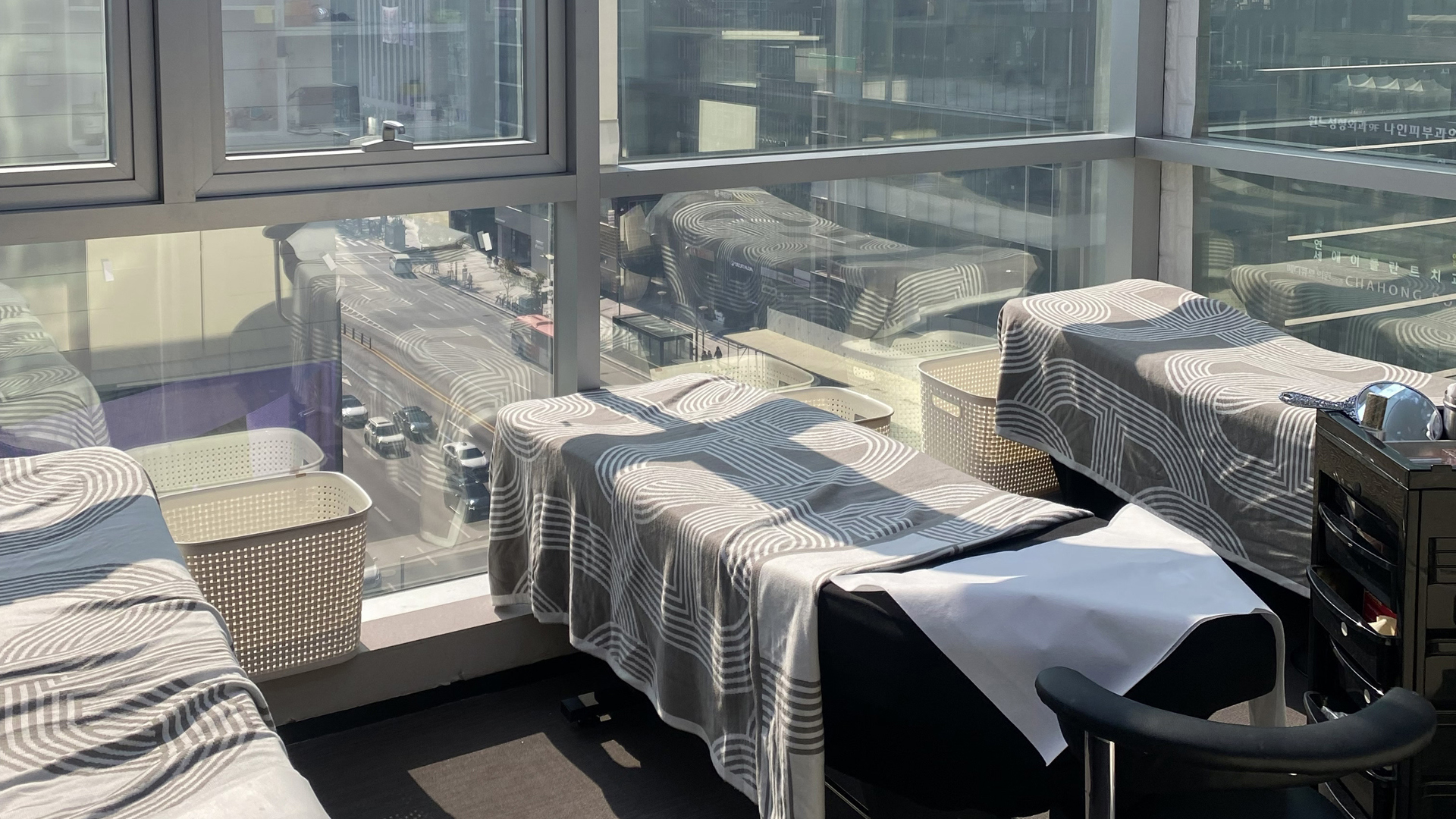
Melasma & Pigmentation Treatment is carried out at the clinic in Gangnam-gu, Seoul, and the examination of your pigment — its type, its depth, its history — decides which method, if any, is suitable. Photographs from earlier cases are published at clinic's gallery.
Contact Golden Balance Clinic through the clinic contact page, by phone on +82-2-516-7148, or by email at info@goldenbalanceclinic.com.
Disclaimer
For informational purposes only. Individual results may vary depending on each patient's medical history, physical condition, anatomy, treatment plan, and recovery. The suitability of gynecological, aesthetic, dermatological, injectable, and other medical procedures should be determined through an individual consultation with a qualified medical professional. All treatments may involve potential risks, side effects, and recovery requirements, which should be discussed before treatment. Information provided by Golden Balance Clinic does not replace professional medical advice, diagnosis, or treatment. Results may vary and individual experiences may differ.
Sources & Further Reading
American Academy of Dermatology — melasma diagnosis and treatment: that there is no one best treatment, that the most effective plan often combines sun protection with topical medication and sometimes a procedure, and that results usually take three to twelve months.
DermNet — melasma: the bilateral blotchy brownish facial pigmentation it presents as, and the epidermal, dermal and mixed types with their differing responses to treatment.
MedlinePlus — National Library of Medicine encyclopedia entry on melasma: its association with estrogen and progesterone, its frequency in pregnancy and with oral contraceptives or hormone replacement therapy, and its fading over several months once the hormone medicine stops or the pregnancy ends.
International Journal of Women's Dermatology — review of laser and light therapy in melasma: the approximately 50% recurrence within three to six months regardless of device, the instruction that procedural treatments are not cures, and the therapeutic ladder placing risk-factor control and topical therapy first.
Other Services
Explore additional treatments offered by our specialists.
Eyebrow Semi-Permanent Makeup
Eyebrow semi-permanent makeup is a cosmetic tattooing procedure that deposits pigment into the skin to enhance eyebrow shape, definition, and color.
Learn More
Facial Contour Micropigmentation
Facial contour micropigmentation refers to depositing pigment into the skin to create or enhance selected facial features.
Learn More
Eyeliner & Eye Enhancement PMU
Eyeliner PMU is a cosmetic tattooing procedure that deposits pigment into the skin around the eyelids to create a longer-lasting eyeliner effect.
Learn More