Personalized Medical Care & Dedicated International Patient Concierge

Pelvic Floor & Urinary Health · Consultation Required
Painful Intercourse & Pelvic Pain Treatment
Painful intercourse and pelvic pain treatment is the evaluation and management of pain during or after intercourse, pain with vaginal penetration, or pain in the pelvic region.
Schedule a ConsultationPainful Intercourse and Pelvic Pain Treatment in Seoul, Republic of Korea

Medically reviewed by Dr. Jong-Yeol Kim, board-certified obstetrician-gynecologist, and Dr. Yu-Jin Oh, board-certified obstetrician-gynecologist Golden Balance Clinic, Gangnam-gu, Seoul
Painful intercourse and pelvic pain treatment is the evaluation and management of pain during or after intercourse, pain with vaginal penetration, or pain in the pelvic region. It is not one procedure but a plan built around a cause, and depending on that cause it may involve pelvic floor physical therapy, medication, vaginal moisturizers or lubricants, counseling, or treatment of an underlying gynecologic condition. The appointment that starts it is an assessment, not a treatment.
What Is Painful Intercourse & Pelvic Pain Treatment?
Painful intercourse and pelvic pain treatment is cause-directed care: the clinician works out why the pain is happening, and the treatment follows from that answer rather than preceding it.
The complaint covers several distinct experiences — pain on penetration, pain deeper inside during intercourse, pain that arrives afterwards, and pain in the pelvic region that has nothing to do with sex at all.
The causes commonly named in this setting are pelvic floor dysfunction, vaginal dryness, infection, endometriosis and vulvar conditions. More than one can be present at once.
No anesthesia is required for the assessment itself.
The tools of assessment are history and examination first, with ultrasound, infection testing or further gynecologic assessment added where symptoms point that way.
Where pelvic floor physical therapy is used, biofeedback may form part of it.
The service sits within Pelvic Floor & Urinary Health at the clinic in Gangnam-gu, Seoul.
Patients in the United States who look for this care are usually describing something specific: penetration that hurts, dryness, pelvic muscles that will not release, pain that started after childbirth, or a pelvic ache that has outlasted every explanation offered so far. The international clinical literature treats this as a condition with overlapping origins rather than a single disease. The StatPearls review of dyspareunia in the NCBI Bookshelf describes persistent or recurrent genital pain occurring before, during or after intercourse, and lists gynecologic, urologic, musculoskeletal, neurologic, hormonal and psychosocial contributors that frequently coexist. The same review separates superficial pain, limited to the vulva or vaginal entrance, from deep pain felt in the deeper vagina or lower pelvis — a distinction that does a great deal of the diagnostic work, because deep pain is frequently associated with endometriosis.
Who Performs Painful Intercourse & Pelvic Pain Treatment at Golden Balance Clinic
|
|
Dr. Jong-Yeol Kim | Dr. Yu-Jin Oh |

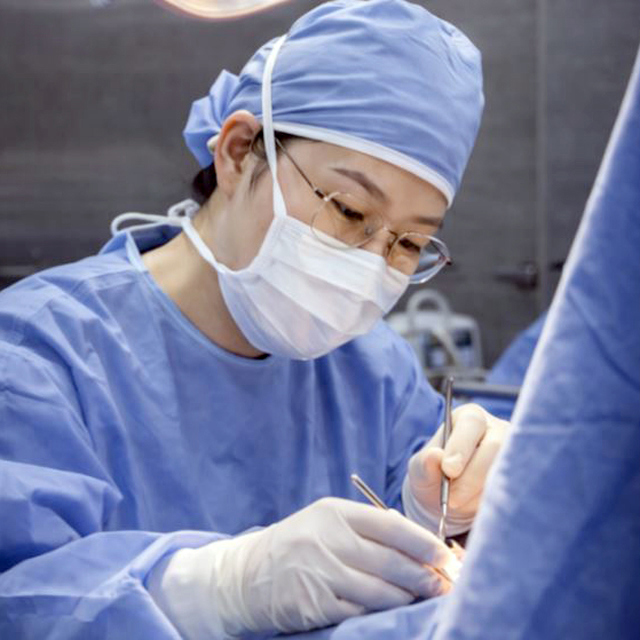
The assessment and the treatment plan both sit with the clinic's two obstetrician-gynecologists, who also reviewed this page.
Dr. Jong-Yeol Kim leads the clinic as its Medical Director, and his training covers the full span of obstetrics and gynecology — the discipline in which pelvic pain, dyspareunia and their gynecologic causes are investigated.
Dr. Jong-Yeol Kim is the Medical Director of Golden Balance Clinic and a board-certified obstetrician-gynecologist with 30 years of experience. He graduated from Hallym University College of Medicine and completed his internship and residency training in obstetrics and gynecology at Hallym University Sacred Heart Hospital. He is a regular member of the Korean Society of Obstetrics and Gynecology.
The clinic's second obstetrician-gynecologist, Dr. Yu-Jin Oh, trained in the same specialty at a Korean teaching hospital and holds memberships that reach beyond gynecology alone.
Dr. Yu-Jin Oh is a Director and a board-certified obstetrician-gynecologist with 23 years of experience. She graduated from Jeonbuk National University Medical School, completed her internship at Samsung Medical Center Cheil General Hospital, and completed residency training in obstetrics and gynecology at Samsung Medical Center Kangbuk Samsung Hospital. She is a member of the Korean Society of Obstetrics and Gynecology, the Korean Academy of Functional Medicine, and the Korean Society of Medical Aesthetics and Dermatology.
Both doctors perform this service; the clinic does not assign it to one of them.
Painful Intercourse & Pelvic Pain Treatment Options Available
Because the diagnosis decides the treatment, it helps to see the main directions side by side before the consultation rather than after it.
Direction | What it addresses | What it looks like |
|---|---|---|
Pelvic floor physical therapy | Muscle dysfunction and involuntary tightening | A course of sessions, sometimes with biofeedback; home exercises between visits |
Lubricants and vaginal moisturizers | Dryness | Used before or between intimacy, as advised |
Medication | An identified underlying condition, or pain itself | Prescribed and reviewed by the treating clinician |
Vaginal dilators | Selected difficulties with penetration | Graded, practised over time |
Psychological or sex therapy | Fear, distress and the behavioral side of pain | Used where appropriate, often alongside physical treatment |
Treating the underlying disorder | Infection, endometriosis or another gynecologic condition | Managed on its own terms, sometimes with more than one specialist |
A pelvic floor injection of botulinum toxin is a further option for selected patients whose muscle tightness has not responded to conservative care; it is offered as its own service at the clinic and assessed separately.
Independent clinical guidance points the same way. The NCBI Bookshelf review of dyspareunia states that a conservative nonsurgical approach should be the first step, and lists patient education, avoidance or modification of irritants and triggers, vaginal lubricants and moisturizers, hormone therapy, pelvic floor physical therapy and psychosocial interventions among the options. For pelvic muscles specifically, it describes pelvic floor physical therapy as relaxing those muscles and restoring their function, with perineal muscle training improving relaxation, restoring baseline muscle activity and enhancing muscle awareness.
Where dryness is the driver, the measures are ordinary and effective. The NHS advises using water-based lubricants before sex and vaginal moisturisers inside the vagina to keep it moist, using unperfumed soaps and washes around the vagina, and avoiding perfumed soaps, washes and douches, which can irritate further.
Who Is a Good Candidate for Painful Intercourse & Pelvic Pain Treatment?
People with recurrent or persistent pain during or after intercourse.
People for whom vaginal penetration itself is painful.
People experiencing involuntary tightening of the pelvic floor muscles.
People with chronic pelvic pain, whether or not it is linked to intimacy.
People whose pain has a cause that the assessment can identify — pelvic floor dysfunction, vaginal dryness, infection, endometriosis or a vulvar condition — because the treatment must match that cause.
Some presentations need a different route first. Sudden or severe pelvic pain, fever, suspected infection or possible pregnancy-related complications may require urgent medical evaluation before any elective treatment is considered, and no particular therapy should go ahead until the relevant contraindications have been assessed. The NHS sets out when pelvic pain needs same-day attention rather than an appointment: difficulty peeing or pooing, blood in the urine or stool, unusual vaginal discharge, fluid or bleeding, pain on peeing or needing to pee more than usual, a very high temperature, vomiting and diarrhoea, or being pregnant or possibly pregnant.
What to Expect: Procedure, Recovery, and Results Timeline
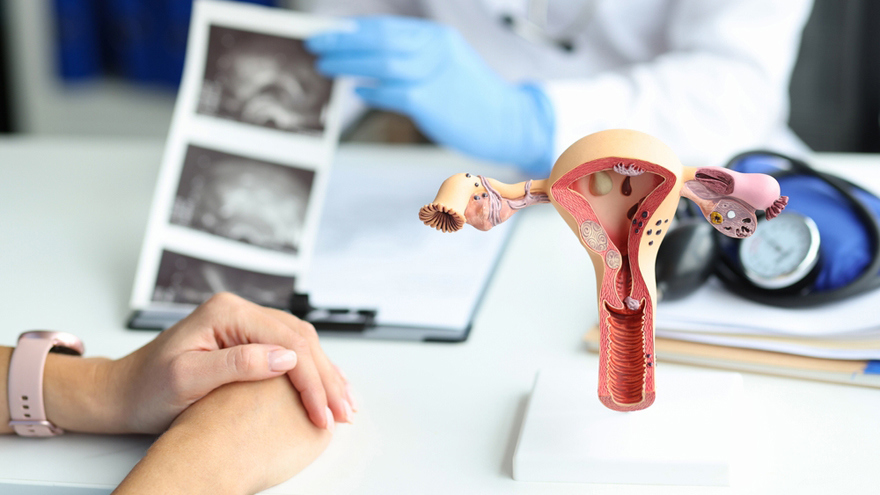
The first appointment is a conversation and an examination, and it carries most of the weight. The clinician reviews the location, timing, severity and duration of the pain, together with sexual and medical history, current medications and any previous treatments. A physical or pelvic examination may be offered, with the patient's consent. Depending on what the symptoms suggest, testing may include ultrasound, infection testing or further gynecologic assessment.
Five steps follow from there. Symptoms and treatment goals are discussed; medical history and possible causes are reviewed; an appropriate examination and any necessary tests are completed; a cause-specific treatment plan is chosen; and follow-up is attended so that the pain and the response to treatment can be reassessed. What happens after the fourth step depends on whether the plan runs through physical therapy, medication, injections or surgery.
Anesthesia is not needed for the assessment. Discomfort during a pelvic examination or during physical therapy can occur and is temporary; medication-based treatments carry their own side effects instead. Pain-control options should be explained before any procedure rather than during it.
Stage | What to expect |
|---|---|
Initial assessment | Up to about 60 minutes |
Course of pelvic floor physical therapy | Approximately 6 to 12 sessions, depending on the condition |
Early recovery after physical therapy | Around Day 1 to Day 3 |
Stay in Korea | Roughly 2 to 3 days, depending on the evaluation and treatment required |
Flying home | Generally after 2 to 3 days, once your doctor confirms you are fit to travel |
If a pelvic floor botulinum toxin injection forms part of the plan | Results may take 1 to 2 weeks |
Aftercare is a routine rather than an event. Follow the prescribed treatment and exercise plan. Avoid products that trigger irritation, such as fragranced intimate products, where they make symptoms worse. Use lubricants when appropriate for dryness. Seek medical assessment for new, severe or worsening pelvic pain, particularly if it comes with fever or unusual bleeding.
What counts as the final result depends on the cause. Pelvic floor physical therapy may require multiple sessions before its effect is clear, while treatment of dryness or of an infection runs on a different clock entirely. Treatment may reduce pain, improve comfort during intimacy and help patients return to daily activities with less discomfort, but outcomes depend on the cause, the severity and the response to treatment. Some conditions need ongoing management or a combination of treatments, and a complete or permanent resolution cannot be guaranteed.
That honesty is shared by the clinical literature. The NCBI Bookshelf review advises that patients be counselled that pain management may take time and may not resolve completely even after treatment is finished, and that they be told about all available options and helped to choose among them.
Combining Painful Intercourse & Pelvic Pain Treatment with Other Treatments
A care plan may combine pelvic floor physical therapy, medication, home exercises and counseling, depending on the cause.
More than one specialist may be involved in a single plan.
Where the cause is an underlying disorder — an infection, endometriosis or another gynecologic condition — that disorder may need separate management alongside pain treatment.
Where dryness is part of the picture, lubricants and moisturizers are used alongside whatever else the plan contains rather than instead of it.
Safety, Precision, and Clinic Standards
The clinic states its philosophy as: "We are committed to personalized 1:1 treatment plans tailored to each patient's condition and prioritize safety above all else in every procedure."
The clinic states that it carries out individualized pre-procedure consultations, limits surgeries to two per day, installs CCTV in all surgery and procedure rooms, and avoids unnecessary over-treatment.
Golden Balance Clinic is registered as a Medical Institution for Attracting Foreign Patients with the Republic of Korea's Ministry of Health and Welfare, under the Medical Overseas Expansion and Foreign Patients Attraction Act. That is a registration for treating international patients; it is not a facility accreditation.
English-language support is available through designated marketing, consultation, and global coordination staff, and the clinic names Scarlett Kim as its global coordinator, available from 10:00 to 20:00 KST.
Golden Balance Clinic is on the 12th floor of the Chunglim Building at 468 Gangnam-daero, Gangnam-gu, Seoul 06123, Republic of Korea. The clinic is open Monday to Sunday from 10:00 to 21:00 KST year-round, with a lunch break from 11:30 to 12:30 KST and last registration at 19:00 KST.
The Bottom Line
The treatment is chosen by the cause, so the assessment comes first and does most of the work.
Pelvic floor physical therapy, lubricants and moisturizers, medication, dilators and counseling are the main directions, used alone or together.
Anesthesia is not needed for the assessment, and the initial appointment runs up to about an hour.
A course of physical therapy is usually measured in several sessions rather than one, with early recovery over Day 1 to Day 3.
Improvement is realistic; a complete or permanent resolution is not something anyone can promise.
Frequently Asked Questions
What will the first appointment actually involve?
A detailed conversation, then an examination if you consent to one. The clinician asks where the pain is, when it started, how severe it is and how long it lasts, and reviews your sexual and medical history, your medications and anything you have already tried. Testing such as ultrasound, infection testing or further gynecologic assessment is added only where your symptoms point to it.
Does the assessment hurt?
Anesthesia is not needed for it. A pelvic examination can be temporarily uncomfortable, and pelvic floor physical therapy can be too, though the discomfort is short-lived. Medication-based treatments do not hurt in that way but carry side effects of their own. Ask about pain-control options before anything begins.
How long should I plan to be in Korea?
About two to three days, depending on how much evaluation and treatment is required. Most patients can fly home after that same two-to-three-day window, provided the treating doctor confirms they are fit to travel. A course of physical therapy, if one is recommended, continues after you are home.
How soon will I notice a difference?
That depends entirely on what is causing the pain. Pelvic floor physical therapy generally needs several sessions before its effect can be judged, with the earliest recovery falling around Day 1 to Day 3 after a session. Treating dryness or an infection works on a different timescale again. If a pelvic floor botulinum toxin injection is part of the plan, improvement may take one to two weeks.
How should I prepare for the visit?
Write things down before you come: when the pain started, what it feels like, what makes it better or worse, your medications, the treatments you have already had, and any menstrual or menopause-related changes. Ask the clinic in advance whether an examination, an ultrasound or infection testing will be needed. If a procedure is planned, follow whatever fasting or medication instructions you are given.
Is there anything to avoid beforehand?
Leave out scented intimate products, vaginal douches and fragranced wipes if they irritate the area. Tell the clinician about your medications, allergies, current symptoms and medical history rather than assuming anything is too minor to mention. Where a procedure is scheduled, specific fasting or medication instructions take precedence over general advice.
When should I seek help rather than wait?
Sudden or severe pelvic pain, fever, a suspected infection or any possibility of a pregnancy-related complication needs urgent medical evaluation before elective treatment is considered. After treatment has started, new, severe or worsening pelvic pain deserves assessment, especially alongside fever or unusual bleeding — wherever in the world you happen to be at the time.
Can pain during sex be a sign of something else?
It can, and that is why the assessment looks beyond the symptom. Pain during or after sex is among the symptoms the NHS lists for endometriosis, alongside severe period pain, heavy periods and pain in the lower tummy and back. Infections, vulvar conditions and hormonal changes can produce it too, which is why an identified cause matters more than a treatment chosen in advance.
Book a Consultation at Golden Balance Clinic

Painful intercourse and pelvic pain treatment is provided at the clinic in Gangnam-gu, Seoul, and the first appointment is an assessment of what is causing the pain rather than a treatment decided beforehand.
Contact Golden Balance Clinic through the clinic contact page, by phone on +82-2-516-7148, or by email at info@goldenbalanceclinic.com.
Disclaimer
For informational purposes only. Individual results may vary depending on each patient's medical history, physical condition, anatomy, treatment plan, and recovery. The suitability of gynecological, aesthetic, dermatological, injectable, and other medical procedures should be determined through an individual consultation with a qualified medical professional. All treatments may involve potential risks, side effects, and recovery requirements, which should be discussed before treatment. Information provided by Golden Balance Clinic does not replace professional medical advice, diagnosis, or treatment. Results may vary and individual experiences may differ.
Sources & Further Reading
NCBI Bookshelf — StatPearls review of dyspareunia: the definition of persistent or recurrent genital pain, the superficial and deep distinction, the conservative-first treatment sequence, pelvic floor physical therapy, and counselling patients that pain may not resolve completely.
NHS — types and common causes of pelvic pain, and the symptoms that call for urgent help rather than a routine appointment.
NHS — self-care for vaginal dryness, including water-based lubricants, vaginal moisturisers, unperfumed washes, and avoiding douches.
NHS — involuntary tightening of the vaginal muscles on attempted penetration, and the other conditions that can cause vaginal pain during sex.
NHS — pain during or after sex as a symptom of endometriosis, alongside severe period pain, heavy periods and pelvic pain.
Other Services
Explore additional treatments offered by our specialists.
Eyebrow Semi-Permanent Makeup
Eyebrow semi-permanent makeup is a cosmetic tattooing procedure that deposits pigment into the skin to enhance eyebrow shape, definition, and color.
Learn More
Facial Contour Micropigmentation
Facial contour micropigmentation refers to depositing pigment into the skin to create or enhance selected facial features.
Learn More
Eyeliner & Eye Enhancement PMU
Eyeliner PMU is a cosmetic tattooing procedure that deposits pigment into the skin around the eyelids to create a longer-lasting eyeliner effect.
Learn More