Personalized Medical Care & Dedicated International Patient Concierge

Dermatology & Laser Treatments · Consultation Required
Redness & Vascular Treatment
Redness and vascular treatment in Seoul uses laser or light-based technology to reduce the appearance of visible blood vessels, facial redness, broken capillaries and certain vascular lesions.
Schedule a ConsultationRedness and Vascular Treatment in Seoul, Republic of Korea

Medically reviewed by Dr. Eun-Young Kwak, MD, graduate of Yonsei University College of Medicine, and Dr. Yu-Jin Oh, board-certified obstetrician-gynecologist Golden Balance Clinic, Gangnam-gu, Seoul
Redness and vascular treatment in Seoul uses laser or light-based technology to reduce the appearance of visible blood vessels, facial redness, broken capillaries and certain vascular lesions. Depending on what the examination finds, the session may use a vascular laser, intense pulsed light or another device suited to the diagnosis. The energy is absorbed by the blood inside the vessel rather than by the surface of the skin.
What Is Redness & Vascular Treatment?
The treatment aims light energy at haemoglobin, so that selected superficial vessels are affected while the skin around them is left as intact as the settings allow.
What it addresses: visible facial capillaries, selected superficial vascular lesions, persistent facial redness, and the redness that accompanies rosacea.
Treatment time runs fifteen to thirty minutes for a small area and twenty to forty minutes for a full face, inside a total appointment of thirty to sixty minutes.
Injectable anesthesia is usually unnecessary. Patients commonly report brief warmth, snapping or stinging, and cooling may improve comfort.
Protective eyewear is worn, because the eye is the structure most at risk from a device aimed at colour in the skin.
The service is delivered within the clinic's Dermatology & Laser Treatments department in Gangnam-gu.
One limit deserves stating before anything else, because it governs what the treatment is for. The clinic's record says in plain terms that laser treatment does not cure rosacea and does not prevent all future redness and blood vessel formation. That is consistent with how national health services describe the condition: the NHS states that rosacea cannot be cured, that treatment from a doctor can help control the symptoms, and that it can get worse if it is not treated. The National Library of Medicine's MedlinePlus encyclopedia likewise records that there is no known cure for rosacea, that the condition involves swelling of the blood vessels just under the skin, and that avoiding individual triggers may help prevent or reduce flare-ups.
Mechanically, the devices used for this work are well described in the dermatological literature. DermNet explains that intense pulsed light is a non-invasive, non-ablative treatment delivering many wavelengths in each pulse, with light pulses targeted at the red pigment in the blood, which heats and destroys the pigment; it also lists bruising, which affects up to ten per cent of patients, and the rarer possibility of blistering or of damage to pigment cells leaving darker or paler patches. A review of laser-based therapies in rosacea in the Journal of Clinical Medicine makes the operator-dependence explicit, noting that in the hands of unqualified personnel improper parameter selection may lead to serious adverse effects.
Who Performs Redness & Vascular Treatment at Golden Balance Clinic
|
|
Dr. Eun-Young Kwak | Dr. Yu-Jin Oh |
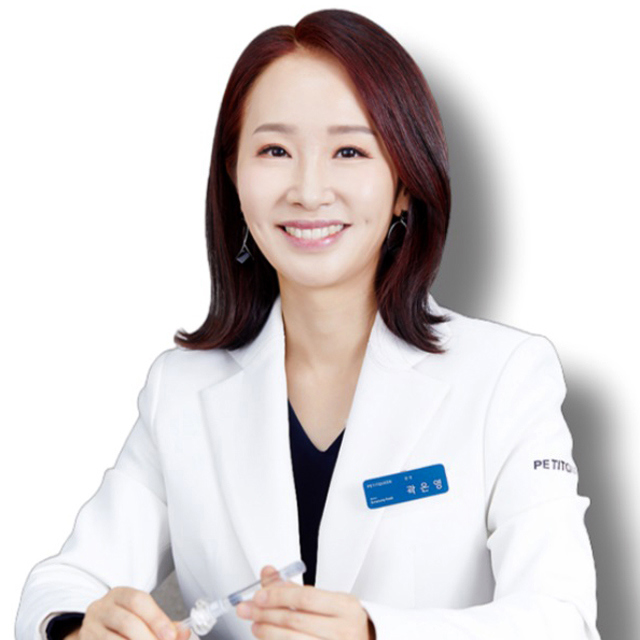
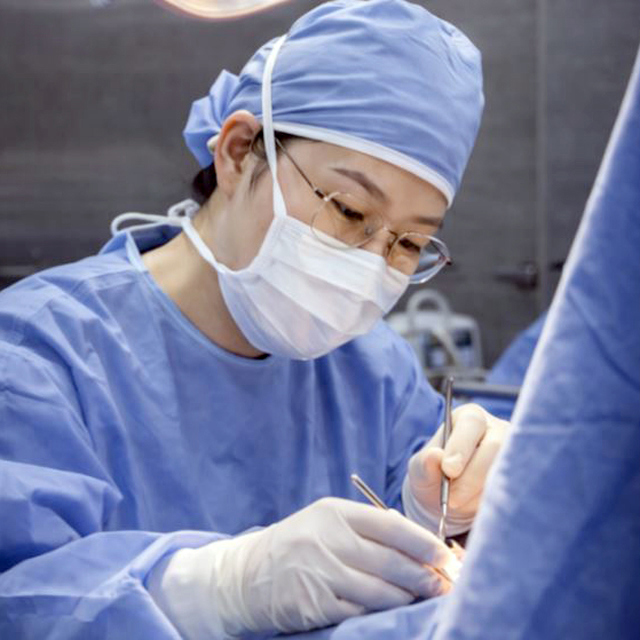
Responsibility for this treatment sits with two of the clinic's doctors rather than with a single named operator. Both doctors perform this service; the clinic does not assign it to one of them. The work begins with telling one kind of redness from another, and Dr. Eun-Young Kwak leads the department in which it is carried out.
Dr. Eun-Young Kwak is a Director and the doctor who leads the clinic's plastic surgery and petit centre. She graduated from Yonsei University College of Medicine. She is a member of the Korean Academy of Women's Aesthetic Medicine, the Korean Aesthetic Wellbeing Society, the Korean Society for Obesity and Plastic Surgery, and the Korean Society of Anti-Aging Medicine, and she previously served as a director of I-Love Petit Clinic and of Petit Queen Clinic.
Also listed for this area is Dr. Yu-Jin Oh, whose memberships extend into medical aesthetics and dermatology as well as her primary field.
Dr. Yu-Jin Oh is a Director and a board-certified obstetrician-gynecologist with 23 years of experience. She graduated from Jeonbuk National University Medical School, completed her internship at Samsung Medical Center Cheil General Hospital, and completed residency training in obstetrics and gynecology at Samsung Medical Center Kangbuk Samsung Hospital. She is a member of the Korean Society of Obstetrics and Gynecology, the Korean Academy of Functional Medicine, and the Korean Society of Medical Aesthetics and Dermatology.
The route into treatment is set out step by step in the clinic's record. You share your treatment goals, medical history, medications, allergies and relevant skin history through the clinic's consultation channel; a physician review and an in-person skin examination follow; the type and distribution of the redness or the visible vessels are identified; and then the suitable options, the expected improvement, the alternatives, the risks, the possible downtime and the likely number of sessions are discussed with you.
Who Is a Good Candidate for Redness & Vascular Treatment?
Adults with visible facial capillaries, selected superficial vascular lesions, persistent facial redness, or redness associated with rosacea, who have been assessed as suitable for laser or IPL treatment.
People whose redness has been attributed to a specific cause — visible vessels, rosacea, inflammation or another skin condition — rather than treated as one undifferentiated complaint.
Treatment may need to be postponed or modified for active skin infections, open wounds, significant irritation, recent tanning or sunburn, and for medications or conditions that increase photosensitivity.
Some skin conditions and some skin tones call for additional assessment, because of the risk of pigment changes.
Pregnancy, a history of abnormal healing, recent procedures and relevant medications should be discussed with the physician. Suitability depends on medical assessment rather than on a fixed exclusion list.
What to Expect: Procedure, Recovery, and Results Timeline
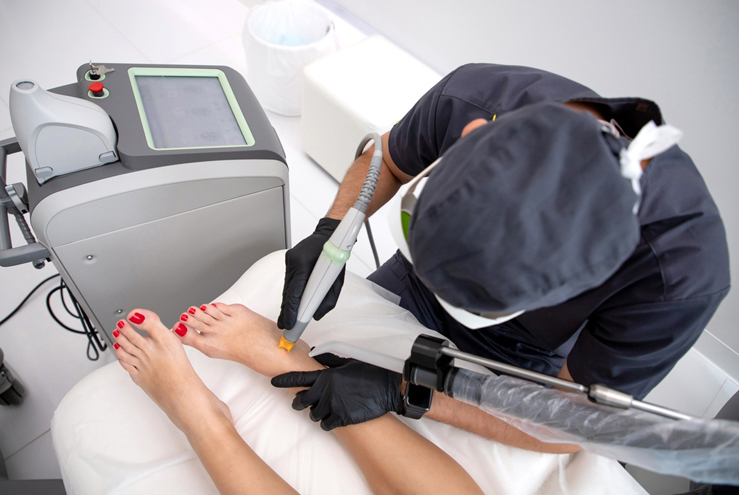
Tell the clinician about medical conditions, medications, supplements, allergies, prior laser treatments, previous pigment changes, cold sores if they affect the area to be treated, and pregnancy status. Tanning and sunburn have to be avoided beforehand, and the clinician should advise the appropriate interval, which is often several weeks. If you use exfoliating products, retinoids or strong acids, expect to be asked to set them aside for a few days depending on your skin and the planned procedure.
On the day, the sequence is short. The skin is examined and the treatment areas are identified, the skin is cleaned and prepared according to the device protocol, protective eyewear and any indicated cooling or topical anesthetic are provided, targeted pulses are delivered to the selected areas, cooling or soothing care follows as needed, and the aftercare instructions, sun protection and follow-up timing are reviewed before you leave.
Stage | What the clinic records |
|---|---|
Treatment time, small area | 15 to 30 minutes |
Treatment time, full face | 20 to 40 minutes |
Total appointment | 30 to 60 minutes |
Pain control | Usually no injectable anesthesia; cooling, and topical anesthetic for selected treatments |
Redness and swelling | Usually subside within 1 week |
Bruising | May take 2 weeks to fade |
Visible improvement | 2 to 4 weeks |
Duration of effect | 4 to 8 weeks or longer, depending on skin condition and treatment type |
Clearer final picture | Over 4 to 8 weeks, as treated vessels gradually fade |
Stay in Korea | Approximately 2 to 3 days, including consultation, treatment and an initial follow-up if needed |
Flying home | Generally after about 2 to 3 days, if the clinician confirms the skin is recovering appropriately |
Afterwards, cleanse gently, use a bland moisturizer and a broad-spectrum sunscreen of SPF 30 or higher, and stay out of direct sun and off tanning beds. Cool compresses may be recommended. Do not rub, pick or scrub the treated skin, and delay irritating skincare products, exfoliation, strenuous exercise, hot baths and saunas for the period you are told. If bruising or crusting appears, follow the specific instructions given for it. Contact the clinic promptly for increasing pain, blistering, worsening swelling, signs of infection or any unexpected visual symptoms.
Temporary redness, warmth, mild swelling, tenderness and sensitivity are possible. Depending on the treatment, so are bruising, temporary darkening of the treated vessels, crusting, blistering, burns, pigment changes, scarring or eye injury. Rare complications can be persistent or significant. Appropriate patient selection, protective eyewear, suitable device settings and adherence to aftercare help reduce these risks but cannot eliminate them — which is the clinic's own wording, and worth reading twice.
Expectations should be set around what the treatment is recorded as doing: reducing the visibility of selected superficial blood vessels, improving some forms of persistent facial redness, and evening out skin tone where vascular redness is a major factor. Results vary with the underlying condition, the depth of the vessels, the skin type and the settings used. Redness and visible vessels may recur over time, particularly with rosacea or with ongoing triggers such as sun exposure.
Combining Redness & Vascular Treatment with Other Treatments
A vascular laser or IPL session may be combined with selected pigmentation or skin-rejuvenation treatments when that is clinically appropriate.
Combining procedures may increase irritation, downtime or the risk of pigment change, so the clinician decides whether treatments are better performed together or in separate sessions.
Alternatives recorded for this concern include prescription topical treatments for rosacea, oral medication where medically indicated, other vascular lasers, IPL, or simply observation.
Treating an underlying skin condition may be more appropriate than a cosmetic laser; topical therapy may help inflammatory redness but generally does not remove established visible blood vessels in the same way as targeted vascular treatment.
Safety, Precision, and Clinic Standards
Everything in this section is quoted from the clinic's published statements rather than summarised.
The clinic states its philosophy as: "We are committed to personalized 1:1 treatment plans tailored to each patient's condition and prioritize safety above all else in every procedure."
The clinic states that it carries out individualized pre-procedure consultations, limits surgeries to two per day, installs CCTV in all surgery and procedure rooms, and avoids unnecessary over-treatment.
Golden Balance Clinic is registered as a Medical Institution for Attracting Foreign Patients with the Republic of Korea's Ministry of Health and Welfare, under the Medical Overseas Expansion and Foreign Patients Attraction Act. That is a registration for treating international patients; it is not a facility accreditation.
English-language support is available through designated marketing, consultation, and global coordination staff, and the clinic names Scarlett Kim as its global coordinator, available from 10:00 to 20:00 KST.
Golden Balance Clinic is on the 12th floor of the Chunglim Building at 468 Gangnam-daero, Gangnam-gu, Seoul 06123, Republic of Korea. The clinic is open Monday to Sunday from 10:00 to 21:00 KST year-round, with a lunch break from 11:30 to 12:30 KST and last registration at 19:00 KST.
The Bottom Line
The target is vascular: visible capillaries, selected superficial vascular lesions, and persistent facial redness including the redness of rosacea.
A full-face session takes twenty to forty minutes, inside an appointment of thirty to sixty minutes.
Redness and swelling usually settle within a week; bruising, when it happens, can take two weeks to fade.
Improvement is recorded at two to four weeks, with the picture becoming clearer over four to eight weeks as treated vessels fade.
Laser treatment does not cure rosacea, and redness or vessels may return, particularly with ongoing triggers such as sun exposure.
Frequently Asked Questions
Can this get rid of my rosacea?
No, and the clinic does not claim it can. Its record states that laser treatment does not cure rosacea and does not prevent all future redness and blood vessel formation. What it may do is reduce the visibility of selected vessels and improve some forms of persistent redness, which is a different and narrower promise.
How do you know whether my redness is actually treatable with a laser?
That is what the examination is for. The clinician identifies the type and distribution of the redness or the visible vessels and determines whether the cause is visible vessels, rosacea, inflammation or another skin condition. Where an underlying condition is driving the redness, treating that condition may be the more appropriate route, and the clinic's record says so directly.
Will I bruise?
You may. Bruising is listed among the possible effects, and where it occurs it may take about two weeks to fade, which is longer than the week in which redness and swelling usually settle. If bruising matters to your plans, raise it at the consultation so that timing can be discussed.
What does the session feel like?
Injectable anesthesia is generally not needed. Patients report brief warmth, a snapping sensation or stinging as the pulses are delivered. Cooling may improve comfort during treatment, and a topical anesthetic may be considered for selected treatments.
How long should I allow in Seoul?
Approximately two to three days, which covers the consultation, the treatment and an initial follow-up if one is wanted. More extensive treatment, or a plan involving several sessions, needs longer. Flying home after two to three days is usually possible if the clinician confirms your skin is recovering appropriately.
What should I watch for after I get home?
Increasing pain, blistering, worsening swelling, signs of infection or any unexpected visual symptoms are the reasons to contact the clinic promptly rather than waiting. Ordinary redness, warmth, mild swelling and tenderness in the days afterwards are expected and settle on their own.
Does the result last?
The recorded duration is four to eight weeks or longer, depending on your skin condition and the type of treatment used. Vessels and redness may return over time, and sun exposure is specifically named among the ongoing triggers, which is why daily broad-spectrum sunscreen is part of the aftercare rather than an afterthought.
Book a Consultation at Golden Balance Clinic
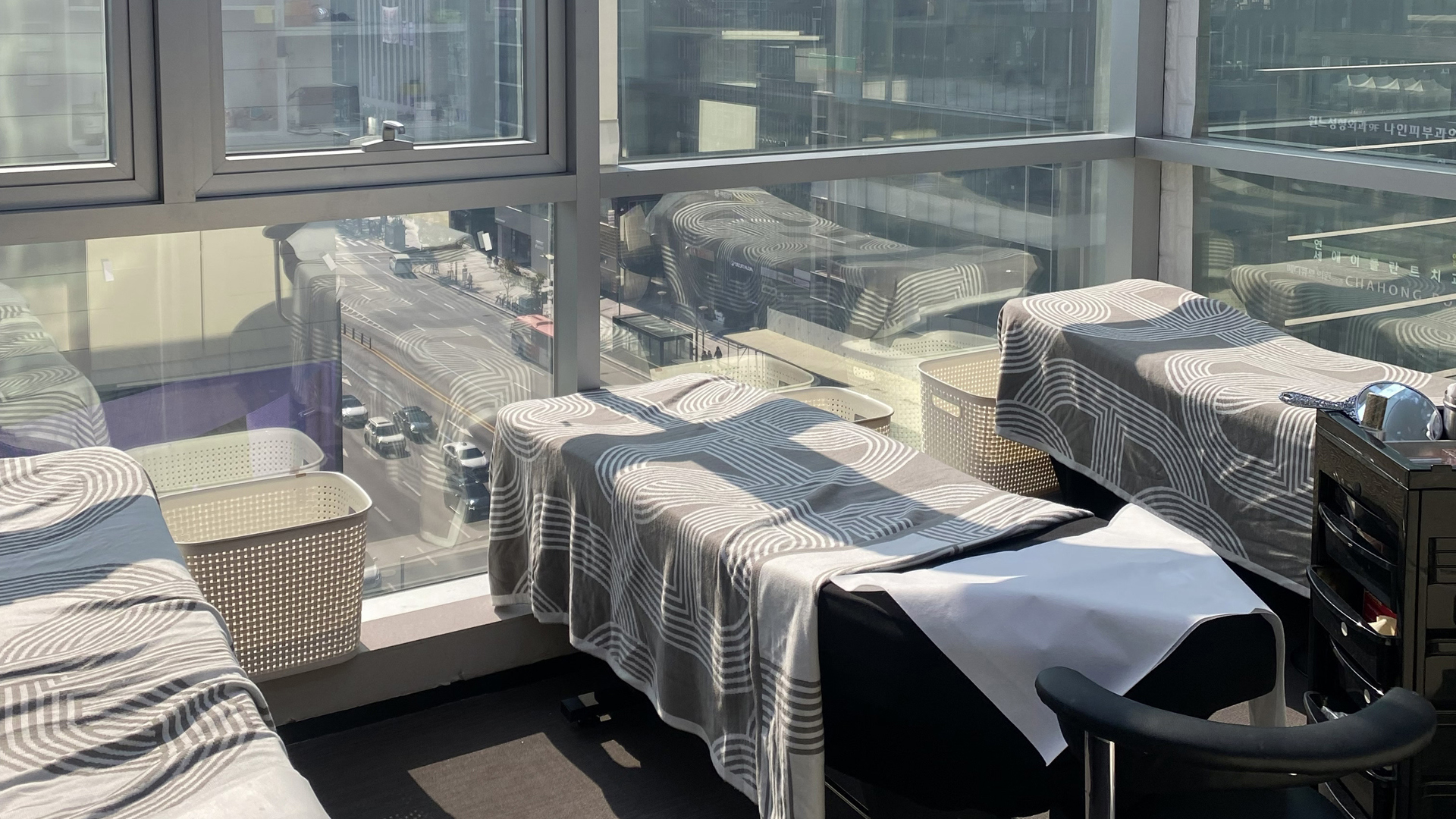
Redness & Vascular Treatment is provided at the clinic in Gangnam-gu, Seoul, and whether a laser or light-based device is the right answer for your redness is a question the in-person examination settles. A gallery of earlier cases sits at clinic's gallery.
Contact Golden Balance Clinic through the clinic contact page, by phone on +82-2-516-7148, or by email at info@goldenbalanceclinic.com.
Disclaimer
For informational purposes only. Individual results may vary depending on each patient's medical history, physical condition, anatomy, treatment plan, and recovery. The suitability of gynecological, aesthetic, dermatological, injectable, and other medical procedures should be determined through an individual consultation with a qualified medical professional. All treatments may involve potential risks, side effects, and recovery requirements, which should be discussed before treatment. Information provided by Golden Balance Clinic does not replace professional medical advice, diagnosis, or treatment. Results may vary and individual experiences may differ.
Sources & Further Reading
NHS — rosacea: that it cannot be cured, that treatment from a GP can help control the symptoms, that it can get worse if untreated, and that it may cause tiny broken blood vessels that do not go away.
MedlinePlus — National Library of Medicine encyclopedia entry on rosacea: that there is no known cure, that the condition causes swelling of the blood vessels just under the skin, and that avoiding individual triggers may help prevent or reduce flare-ups.
DermNet — intense pulsed light therapy: its non-ablative mechanism, the targeting of the red pigment in the blood, and the side effects including bruising in up to ten per cent of patients and rarer blistering or pigment-cell damage.
Journal of Clinical Medicine — review of laser-based therapies in rosacea: that improper parameter selection in the hands of unqualified personnel may lead to serious adverse effects.
Other Services
Explore additional treatments offered by our specialists.
Eyebrow Semi-Permanent Makeup
Eyebrow semi-permanent makeup is a cosmetic tattooing procedure that deposits pigment into the skin to enhance eyebrow shape, definition, and color.
Learn More
Facial Contour Micropigmentation
Facial contour micropigmentation refers to depositing pigment into the skin to create or enhance selected facial features.
Learn More
Eyeliner & Eye Enhancement PMU
Eyeliner PMU is a cosmetic tattooing procedure that deposits pigment into the skin around the eyelids to create a longer-lasting eyeliner effect.
Learn More