Personalized Medical Care & Dedicated International Patient Concierge

Non-Surgical Intimate Rejuvenation · Consultation Required
Vaginal Laser Tightening
Vaginal Laser Tightening is an energy-based treatment in which laser energy is applied to vaginal tissue, and it has been marketed for concerns such as vaginal laxity and certain vaginal symptoms.
Schedule a ConsultationVaginal Laser Tightening in Seoul, Republic of Korea

Medically reviewed by Dr. Jong-Yeol Kim, board-certified obstetrician-gynecologist, and Dr. Yu-Jin Oh, board-certified obstetrician-gynecologist Golden Balance Clinic, Gangnam-gu, Seoul
Vaginal Laser Tightening is an energy-based treatment in which laser energy is applied to vaginal tissue, and it has been marketed for concerns such as vaginal laxity and certain vaginal symptoms. Its safety and effectiveness for cosmetic vaginal tightening have not been established sufficiently to support routine claims of benefit. Suitability, potential benefits and risks therefore need to be discussed individually with a qualified gynecologist before anything is arranged.
What Is Vaginal Laser Tightening?
A session is short, the device does the work, and the uncertainty attached to the treatment is part of the description rather than a footnote to it.
Laser energy is applied to vaginal tissue; no incision is made and no tissue is removed.
A session takes approximately fifteen to thirty minutes.
The method of anesthesia and the comfort measures used depend on the device and the treatment protocol.
The stated aim is to improve vaginal tissue firmness and to address concerns about vaginal laxity or dryness, though evidence supporting effectiveness is limited and results vary.
The treatment sits within Non-Surgical Intimate Rejuvenation at the clinic in Gangnam-gu.
The language used around this category of treatment has itself been criticised. Medsafe, New Zealand's medicines and medical devices safety authority, relayed a United States regulatory warning about energy-based devices used for vaginal procedures and recorded that "vaginal rejuvenation" is an ill-defined term, sometimes used to describe non-surgical procedures intended to treat vaginal laxity, vaginal atrophy, dryness or itching, pain during sexual intercourse, pain during urination, and decreased sexual sensation. The same communication states that the safety and effectiveness of energy-based medical devices for these procedures has not been established, and advises that the benefits and risks of the available options for vaginal symptoms be discussed with a health care provider.
What counts as laxity in the first place is less settled than the word suggests. A position statement from the European Board and College of Obstetrics and Gynaecology describes vaginal laxity as a poorly understood but common symptom of pelvic floor dysfunction that currently lacks a standardised definition, and notes that it may be considered a symptom of prolapse. That statement, which reviews laser use across menopausal symptoms, prolapse and stress urinary incontinence, concludes that there is a lack of robust evidence to support laser use in routine practice and calls for high-quality evidence using patient-related outcome measures before it is adopted. On laxity specifically, it records that there are no good quality studies evaluating laser treatment for women with that symptom.
Who Performs Vaginal Laser Tightening at Golden Balance Clinic
|
|
Dr. Jong-Yeol Kim | Dr. Yu-Jin Oh |

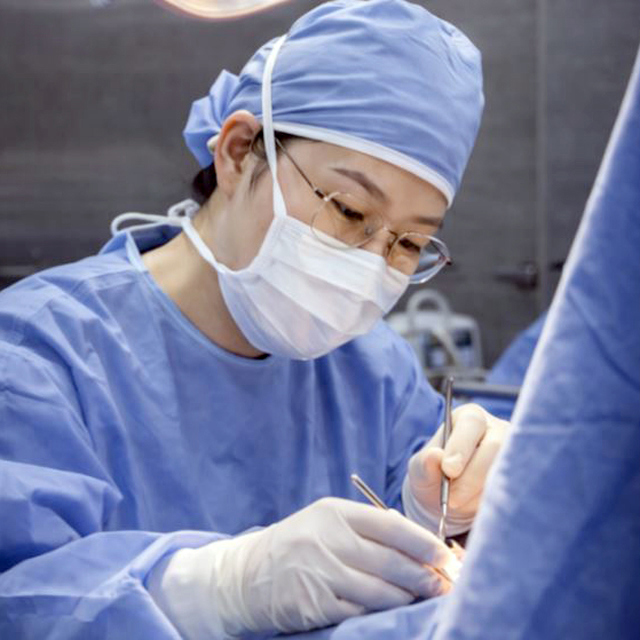
Responsibility for the treatment and for the assessment that precedes it rests with the clinic's two obstetrician-gynecologists, who reviewed this page.
Thirty years of obstetric and gynecological practice sit behind the judgement Dr. Jong-Yeol Kim brings to deciding whether an energy-based treatment is the right answer to a given symptom.
Dr. Jong-Yeol Kim is the Medical Director of Golden Balance Clinic and a board-certified obstetrician-gynecologist with 30 years of experience. He graduated from Hallym University College of Medicine and completed his internship and residency training in obstetrics and gynecology at Hallym University Sacred Heart Hospital. He is a regular member of the Korean Society of Obstetrics and Gynecology.
Dr. Yu-Jin Oh is the clinic's second board-certified obstetrician-gynecologist, and she belongs to several Korean professional societies in women's health.
Dr. Yu-Jin Oh is a Director and a board-certified obstetrician-gynecologist with 23 years of experience. She graduated from Jeonbuk National University Medical School, completed her internship at Samsung Medical Center Cheil General Hospital, and completed residency training in obstetrics and gynecology at Samsung Medical Center Kangbuk Samsung Hospital. She is a member of the Korean Society of Obstetrics and Gynecology, the Korean Academy of Functional Medicine, and the Korean Society of Medical Aesthetics and Dermatology.
Both doctors perform this service; the clinic does not assign it to one of them. The gynecologist who evaluates your symptoms is the one who decides with you whether this treatment is appropriate at all.
Who Is a Good Candidate for Vaginal Laser Tightening?
Adults whose symptoms, medical history and menopausal status a qualified gynecologist has evaluated individually.
Adults who have reviewed the established alternative treatments for their symptoms with that clinician.
Adults who have had the limitations of the evidence explained and who understand them.
Adults who have had the potential complications explained before agreeing to proceed.
There is no broadly suitable candidate group that the evidence allows anyone to define for cosmetic vaginal laser tightening, which is precisely why suitability is settled person by person. Treatment should also be postponed pending medical evaluation where there is an unexplained vaginal symptom, a suspected infection, unexplained bleeding, or another unresolved gynecological condition.
The strongest single piece of evidence on this question points away from the treatment rather than towards it. The Australasian Menopause Society reports a double-blind, randomised, sham-controlled trial published in the Journal of the American Medical Association, in which postmenopausal women with vaginal symptoms received either three fractional carbon dioxide laser treatments or a sham procedure and were followed for twelve months. There was no significant difference between the laser group and the sham group in change in symptom severity at twelve months, and both groups reported adverse events including vaginal pain or discomfort, spotting, discharge and lower urinary tract symptoms. The investigators' conclusion was that laser treatment did not significantly improve vaginal symptoms compared with sham treatment.
Professional bodies have reached a cautious position from the same literature. The Royal College of Obstetricians and Gynaecologists, in a scientific impact paper on laser treatment for genitourinary syndrome of menopause, notes that the majority of studies to date have been small, short-term and observational, and advises that laser treatment should not be adopted into widespread practice until more robust evidence is available and should be used as part of a research study only. The American Urogynecologic Society, writing to its members about the same category of device, said it was neither endorsing nor condemning these technologies and that its aim was to help clinicians deliver consistent and sufficient informed consent, including being open about where the gaps in the evidence lie and what those gaps mean for an individual making a decision. Reading those positions before a consultation is a reasonable way to arrive with the right questions.
What to Expect: Procedure, Recovery, and Results Timeline
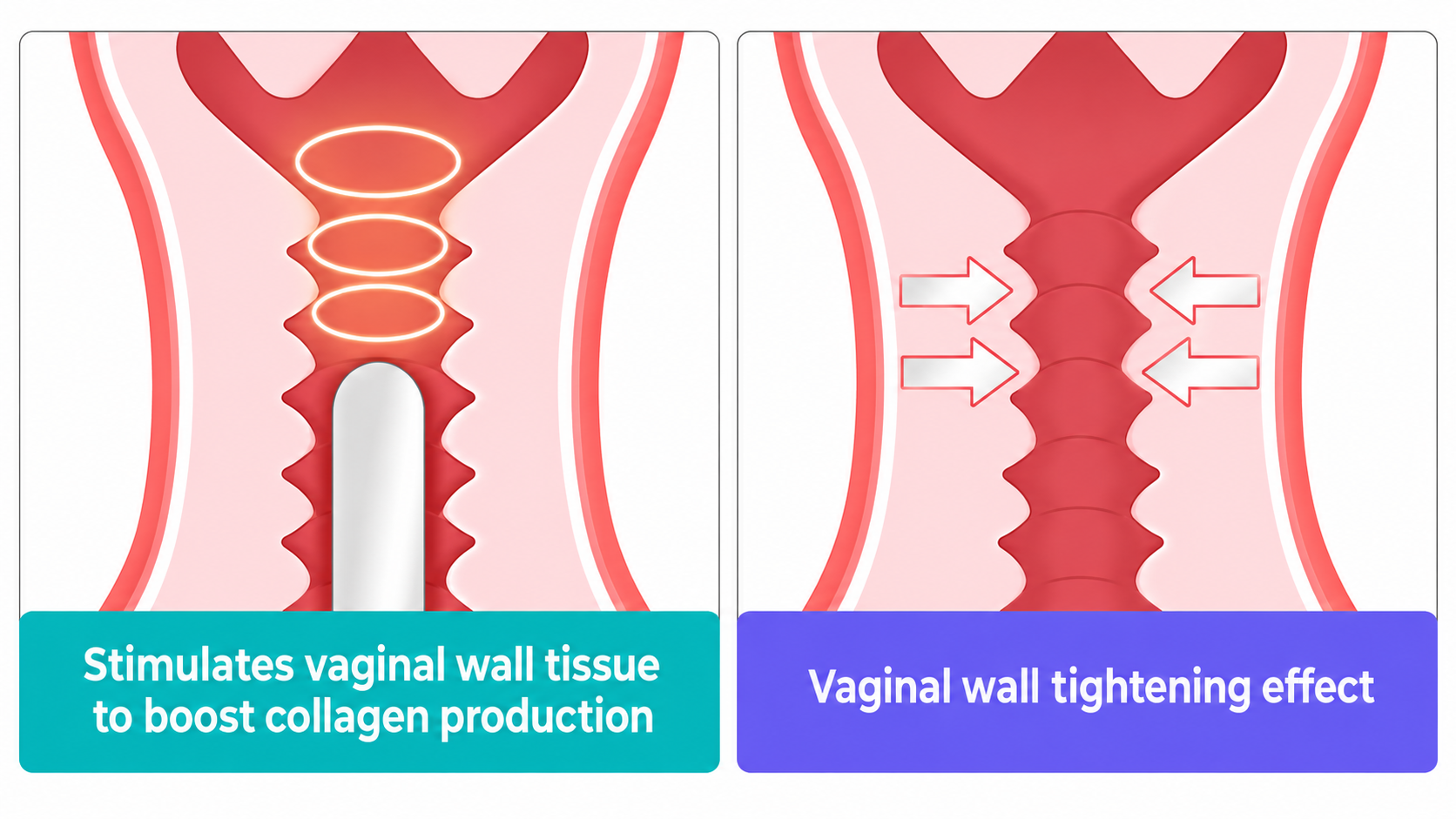
The pathway begins with a conversation rather than a device. A clinician reviews your concerns, your medical and gynecological history, your symptoms and your expectations of treatment. A physical examination or further testing may be appropriate depending on what those symptoms are. The evidence limitations, the potential complications and the established alternatives are then discussed before any treatment plan is decided.
Preparation is a matter of telling the clinician everything that could be relevant: medical history, current medications, the possibility of pregnancy, any vaginal symptoms, and any history of gynecological conditions. Individualized instructions about examination, medications and preparation follow from that conversation. If you notice unusual discharge, bleeding, irritation or signs of infection beforehand, contact the clinic and ask whether the appointment should be postponed.
The treatment itself proceeds in four steps. The medical history is reviewed and the treatment indication confirmed; the potential benefits, the uncertainties, the risks and the alternatives are discussed; if treatment is considered appropriate, the clinician follows the specific device's instructions and the established safety protocol; and the treated area is then assessed, with individualized aftercare instructions provided.
Stage | What to expect |
|---|---|
Session length | Approximately 15 to 30 minutes |
Comfort measures | Depend on the device and the treatment protocol |
Mild discomfort | Usually subsides within about 1 week |
Return to normal activities | Usually within 1 week |
Stay in Korea | Approximately 2 to 3 days, allowing for the procedure and any required follow-up |
Flying home | Generally within 2 to 3 days, on the treating practitioner's advice |
Initial improvements | 2 to 4 weeks, where they occur |
Results developing | Over 4 to 8 weeks |
Longevity | Varies by individual; not guaranteed to be permanent |
Aftercare is set by what was actually done. The clinician's instructions about hygiene, sexual activity, physical activity and follow-up are the ones to follow, and restrictions should be based on the device and the treatment performed rather than on a universal recovery schedule. Contact a healthcare professional if symptoms develop.
Sensations during and after the session vary. Some patients experience mild discomfort, pressure, warmth or sensitivity during treatment, and how much of this occurs depends on the device and the treatment method. It is reasonable to ask the treating provider in advance whether pain relief or anesthesia is appropriate for you.
The side effects that may follow are temporary discomfort, burning or tenderness, spotting or bleeding, and vaginal discharge. The more serious reported complications are vaginal burns, scarring, pain during sexual intercourse, and persistent or recurrent pain — the same group of serious adverse events named in the safety communication Medsafe relayed about this category of device. For any specific device and indication, the frequency of complications and the long-term safety may be uncertain, and that uncertainty is itself part of what should be explained before treatment.
Results, where they occur, are gradual and modest in description. Initial improvements may appear at two to four weeks, with changes developing over four to eight weeks, and longevity varies by individual. Results and their timing vary by device, by treatment protocol and by individual response, no result is guaranteed to be permanent, and the evidence supporting vaginal laser tightening remains limited.
Safety, Precision, and Clinic Standards
The clinic states its philosophy as: "We are committed to personalized 1:1 treatment plans tailored to each patient's condition and prioritize safety above all else in every procedure."
The clinic states that it carries out individualized pre-procedure consultations, limits surgeries to two per day, installs CCTV in all surgery and procedure rooms, and avoids unnecessary over-treatment.
Golden Balance Clinic is registered as a Medical Institution for Attracting Foreign Patients with the Republic of Korea's Ministry of Health and Welfare, under the Medical Overseas Expansion and Foreign Patients Attraction Act. That is a registration for treating international patients; it is not a facility accreditation.
English-language support is available through designated marketing, consultation, and global coordination staff, and the clinic names Scarlett Kim as its global coordinator, available from 10:00 to 20:00 KST.
Golden Balance Clinic is on the 12th floor of the Chunglim Building at 468 Gangnam-daero, Gangnam-gu, Seoul 06123, Republic of Korea. The clinic is open Monday to Sunday from 10:00 to 21:00 KST year-round, with a lunch break from 11:30 to 12:30 KST and last registration at 19:00 KST.
The Bottom Line
Laser energy is applied to vaginal tissue in a session of roughly fifteen to thirty minutes, with no incision and no tissue removed.
The treatment has been marketed for vaginal laxity and certain vaginal symptoms, and the evidence supporting its effectiveness for cosmetic vaginal tightening is limited.
Suitability is determined individually by a qualified gynecologist after evaluating symptoms, medical history, menopausal status and the alternatives.
Mild discomfort usually settles within about a week, and normal activities usually resume within that time.
Reported complications include vaginal burns, scarring, pain during sexual intercourse, and persistent or recurrent pain.
Frequently Asked Questions
How long does a session take, and is anesthesia used?
A session takes approximately fifteen to thirty minutes. The anesthesia method and the comfort measures depend on the device and the treatment protocol in use, so there is no single answer that applies to everyone. Ask the treating provider in advance whether pain relief or anesthesia is appropriate in your case.
Will it feel uncomfortable?
Some patients experience mild discomfort, pressure, warmth or sensitivity during treatment, and the level depends on the device and the method. Afterwards, temporary discomfort, burning or tenderness, spotting or bleeding, and vaginal discharge may occur. Mild discomfort usually subsides within about a week.
How long should I plan to stay in Korea?
Approximately two to three days, which allows time for the procedure itself and for any required follow-up. Flying home is generally possible within that period, depending on your recovery and on the treating practitioner's advice. Confirm the plan with the clinic before booking travel rather than after.
When would I notice anything, and how long would it last?
Initial improvements, where they occur, may appear at two to four weeks, with changes developing over four to eight weeks. Longevity varies by individual, and results are not guaranteed to be permanent. Because results and their timing vary by device, by protocol and by individual response, any timeline given in advance is an expectation rather than a promise.
Why is the evidence described as limited?
Because the studies behind the treatment have mostly been small, short-term and observational, and the strongest trial evidence has not shown a benefit over a sham procedure. Professional bodies reviewing that literature have called for high-quality evidence using patient-related outcome measures before the treatment is taken into routine practice. The honest position is that effectiveness for cosmetic vaginal tightening has not been established.
What complications should I know about?
Potential complications include vaginal burns, scarring, pain during sexual intercourse, and persistent or recurrent pain. For any specific device and indication, the frequency of complications and the long-term safety may be uncertain. You should receive a clear explanation of these risks before agreeing to treatment.
When should treatment be postponed?
When there is an unexplained vaginal symptom, a suspected infection, unexplained bleeding, or another unresolved gynecological condition. In those situations the symptom is evaluated first, because an elective treatment should not be layered on top of an undiagnosed problem. Contact the clinic beforehand if any of these appear in the days before your appointment.
What else could be considered instead?
That depends on what is causing the symptom, which is what the gynecological evaluation is for. An assessment can distinguish vaginal laxity from pelvic-floor dysfunction, from menopausal symptoms, or from other conditions. Pelvic-floor muscle training may be appropriate for selected pelvic-floor concerns, evidence-based treatments for menopausal symptoms may be considered, and surgical procedures carry different indications and different risks.
Book a Consultation at Golden Balance Clinic
Vaginal Laser Tightening is offered at the clinic in Gangnam-gu, Seoul, and whether it is appropriate for you is a question for the consultation rather than for the booking form. Photographs taken before and after treatment are published in the clinic's gallery at clinic's gallery.
Contact Golden Balance Clinic through the clinic contact page, by phone on +82-2-516-7148, or by email at info@goldenbalanceclinic.com.
Disclaimer
For informational purposes only. Individual results may vary depending on each patient's medical history, physical condition, anatomy, treatment plan, and recovery. The suitability of gynecological, aesthetic, dermatological, injectable, and other medical procedures should be determined through an individual consultation with a qualified medical professional. All treatments may involve potential risks, side effects, and recovery requirements, which should be discussed before treatment. Information provided by Golden Balance Clinic does not replace professional medical advice, diagnosis, or treatment. Results may vary and individual experiences may differ.
Sources & Further Reading
Medsafe — New Zealand safety communication relaying a United States regulatory warning about energy-based devices used for vaginal procedures: the ill-defined nature of the term, the symptoms the devices are marketed for, and the serious adverse events reported.
European Board and College of Obstetrics and Gynaecology — position statement on laser vaginal devices: vaginal laxity as a poorly defined symptom, the absence of good quality studies on laser for laxity, and the call for high-quality evidence before routine use.
Australasian Menopause Society — summary and abstract of the double-blind, randomised, sham-controlled trial of fractional carbon dioxide laser for postmenopausal vaginal symptoms, including the twelve-month outcomes and reported adverse events.
Royal College of Obstetricians and Gynaecologists — scientific impact paper on laser treatment for genitourinary syndrome of menopause, on the size and design of the studies to date and on restricting use to research settings.
American Urogynecologic Society — statement to members on energy-based vaginal therapies, the limits of the scientific support, and the society's focus on consistent and sufficient informed consent.
Other Services
Explore additional treatments offered by our specialists.
Eyebrow Semi-Permanent Makeup
Eyebrow semi-permanent makeup is a cosmetic tattooing procedure that deposits pigment into the skin to enhance eyebrow shape, definition, and color.
Learn More
Facial Contour Micropigmentation
Facial contour micropigmentation refers to depositing pigment into the skin to create or enhance selected facial features.
Learn More
Eyeliner & Eye Enhancement PMU
Eyeliner PMU is a cosmetic tattooing procedure that deposits pigment into the skin around the eyelids to create a longer-lasting eyeliner effect.
Learn More