Personalized Medical Care & Dedicated International Patient Concierge

Feminine Plastic Surgery · Consultation Required
Vaginoplasty (Vaginal Tightening Surgery)
Vaginoplasty, often described as vaginal tightening surgery, is a collective term for surgical procedures that address functional and aesthetic concerns involving the vaginal canal and vulva.
Schedule a ConsultationVaginoplasty (Vaginal Tightening Surgery) in Seoul, Republic of Korea

Medically reviewed by Dr. Jong-Yeol Kim, board-certified obstetrician-gynecologist, and Dr. Yu-Jin Oh, board-certified obstetrician-gynecologist Golden Balance Clinic, Gangnam-gu, Seoul
Vaginoplasty, often described as vaginal tightening surgery, is a collective term for surgical procedures that address functional and aesthetic concerns involving the vaginal canal and vulva. The operation brings stretched supporting tissues or muscles together with sutures and, where the assessment indicates it, removes an appropriate amount of excess vaginal lining. Which procedure applies to a given patient depends on her anatomy, her symptoms and the treatment goals agreed before anything is scheduled.
What Is Vaginoplasty (Vaginal Tightening Surgery)?
The surgery works on the supporting layer behind the vaginal lining rather than on the surface alone, which is why the examination that precedes it matters more than the name of the operation.
The changes it is planned around are those associated with childbirth, those associated with ageing, and congenital anatomical differences.
Stretched supporting tissues or muscles are brought together with sutures.
Excess vaginal lining is removed only in the amount and in the places the assessment indicates.
An incision in the vaginal lining is made where the plan calls for one, and it is closed with sutures.
Local or general anesthesia may be used, according to how extensive the surgery is and the clinical circumstances.
The operation takes approximately two to three hours and belongs to Feminine Plastic Surgery at the clinic's Gangnam-gu premises.
Two different things travel under the same word, and separating them early saves confusion. A commissioning policy published by NHS England defines vaginoplasty as a surgical procedure involving the creation or reshaping of the vagina, and then draws a line within it: the reconstructive indications it recognises are congenital absence or significant developmental or endocrine abnormality of the vaginal canal, and repair of the vaginal canal after trauma. The same policy treats non-reconstructive vaginoplasty — the form it describes as used to restore vaginal tone and appearance — as a procedure of low clinical priority that is not routinely funded. That is a funding decision taken inside one country's health service rather than a comment on any individual patient's choice, but it is a clear statement of where the dividing line is drawn.
Nor is the operation a recent invention. A group of obstetrician-gynecologists specialising in female pelvic medicine and reconstructive surgery, writing in the Aesthetic Surgery Journal, pointed out that perineoplasty and vaginoplasty are not novel and that gynecologists have performed and studied these surgeries as part of the treatment of pelvic organ prolapse for over fifty years. The same letter asks that surgeons who provide and report on vaginal and vulvar surgery use the standardised terminology established by the International Urogynecology Association and the International Continence Society, so that patients researching their options can actually find the relevant literature.
It is just as important to be clear about what the operation has not been shown to do. The authors of that letter state plainly that there is no evidence to support the claim that vaginal tightening procedures improve orgasmic response, and they note that the published literature reports a high rate of painful intercourse following perineoplasty. Those two statements describe the category of surgery in general, and they are the reason the consultation spends as long on expectations as it does on anatomy.
Who Performs Vaginoplasty (Vaginal Tightening Surgery) at Golden Balance Clinic
|
|
Dr. Eun-Young Kwak | Dr. Yu-Jin Oh |

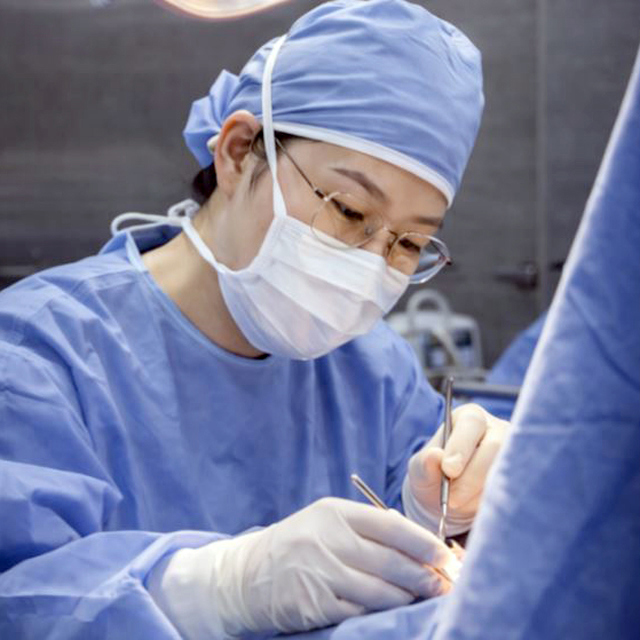
The surgery is carried out by the clinic's two obstetrician-gynecologists, who are also the doctors who reviewed this page.
Dr. Jong-Yeol Kim leads the clinic as its Medical Director, and the examination he conducts is where the extent and the plan of any repair are settled.
Dr. Jong-Yeol Kim is the Medical Director of Golden Balance Clinic and a board-certified obstetrician-gynecologist with 30 years of experience. He graduated from Hallym University College of Medicine and completed his internship and residency training in obstetrics and gynecology at Hallym University Sacred Heart Hospital. He is a regular member of the Korean Society of Obstetrics and Gynecology.
Working alongside him, Dr. Yu-Jin Oh holds the same board certification in obstetrics and gynecology, and her professional memberships extend beyond gynecology into functional and aesthetic practice.
Dr. Yu-Jin Oh is a Director and a board-certified obstetrician-gynecologist with 23 years of experience. She graduated from Jeonbuk National University Medical School, completed her internship at Samsung Medical Center Cheil General Hospital, and completed residency training in obstetrics and gynecology at Samsung Medical Center Kangbuk Samsung Hospital. She is a member of the Korean Society of Obstetrics and Gynecology, the Korean Academy of Functional Medicine, and the Korean Society of Medical Aesthetics and Dermatology.
Both doctors perform this service; the clinic does not assign it to one of them. Whichever of them examines you is the surgeon who will plan the repair, because the plan is drawn from that examination and not from a catalogue of techniques.
Who Is a Good Candidate for Vaginoplasty (Vaginal Tightening Surgery)?
Adults with vaginal laxity or stretched supporting tissues that a clinician has assessed.
Adults who are medically suitable for surgery.
Adults who hold realistic expectations and who understand the risks before consenting.
Adults with childbirth-related injury, once the vaginal wall, pelvic floor and perineum have been assessed to identify which treatment is actually appropriate.
Some situations mean the operation waits. An active genital or vaginal infection, an untreated condition that still requires investigation, and a medical problem that would make elective surgery unsafe all call for treatment or further assessment first.
The reason the examination is not a formality is that laxity rarely arrives alone. The obstetrician-gynecologists writing in the Aesthetic Surgery Journal observed that the majority of patients who describe symptoms of vaginal laxity are also found to have concurrent pelvic organ prolapse when they are assessed, and that a complete assessment of pelvic floor function, with a discussion of both non-surgical and surgical options, is what such a patient should receive.
Childbirth is the common thread behind many of these requests, and its effects vary enormously. A StatPearls review of obstetric perineal lacerations, published on the NCBI Bookshelf, records that most women experience some form of perineal trauma after a vaginal delivery, either spontaneously or because of an episiotomy, and that the severe tears involving the anal sphincter complex are grouped together as obstetric anal sphincter injuries. The same review notes that long-term complications of those injuries include pain, urinary or anal incontinence and painful intercourse, and that the time it takes to return to normal sexual function correlates with how severe the original tear was. None of that tells you whether surgery is the answer; it is the reason a careful history of previous tears and repairs is taken before anyone discusses one.
Professional guidance is unusually explicit about how this conversation should be conducted. The Royal Australian College of General Practitioners reproduces the positions of three colleges in its guideline on female genital cosmetic surgery. The Royal College of Obstetricians and Gynaecologists recommends that women be given accurate information about the normal variations in female genitalia, be offered counselling for concerns such as body image distress, and be informed both about the risks of the procedure and about the lack of reliable evidence concerning its positive effects; it adds that, because full genital development is not normally achieved before eighteen years of age, such surgery should not normally be carried out below that age. The Society of Obstetricians and Gynaecologists of Canada recommends a complete medical, sexual and gynaecologic history, makes counselling a priority, and states that physicians should not promote these surgeries as enhancing sexual function. The Royal Australian and New Zealand College of Obstetricians and Gynaecologists asks that the risks of complications such as scarring, adhesions, permanent disfigurement, infection, painful intercourse and altered sexual sensation be discussed in detail with women seeking such treatment.
What to Expect: Procedure, Recovery, and Results Timeline
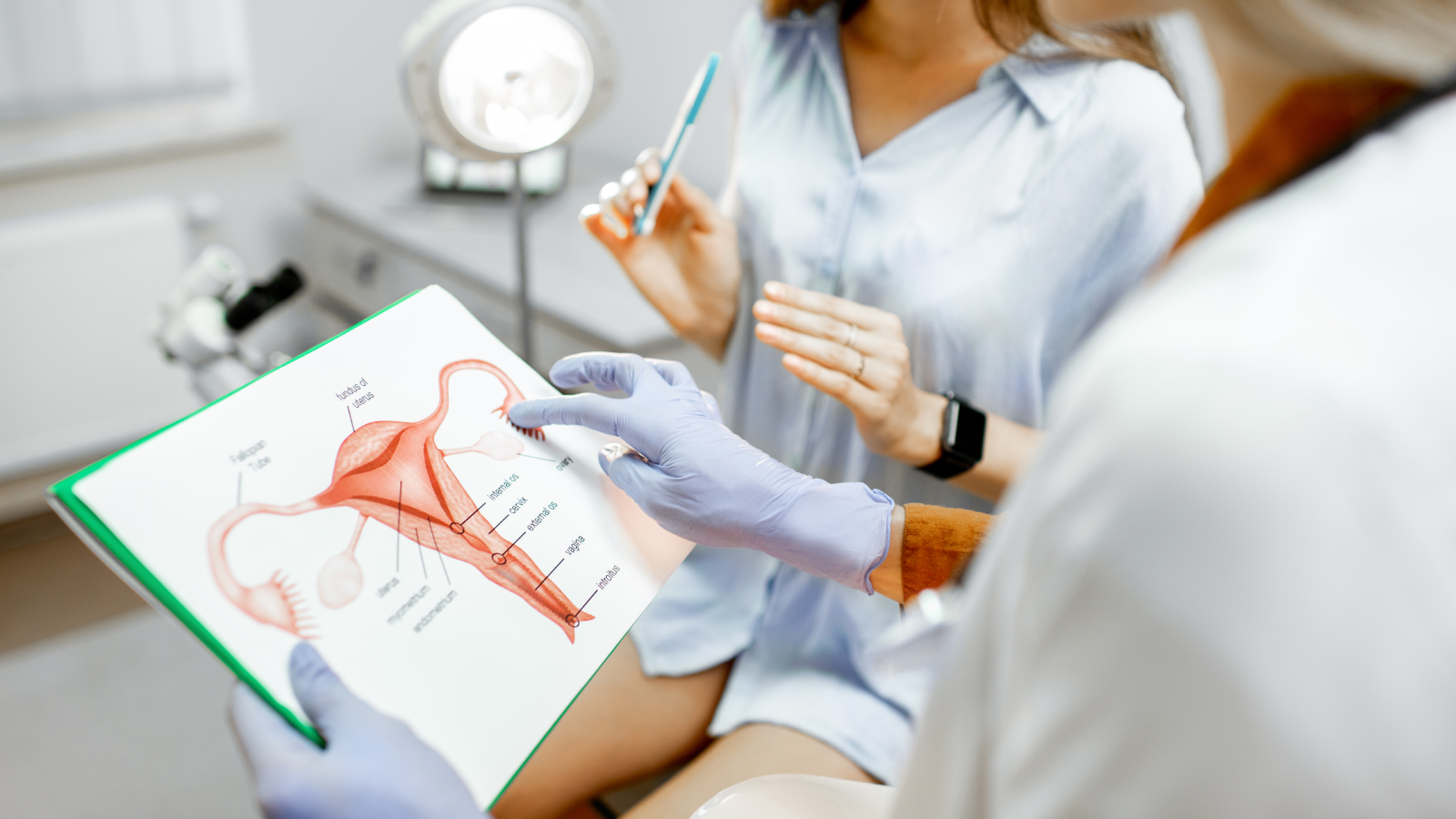
Assessment comes first and shapes everything after it. The clinician reviews your symptoms, your childbirth and surgical history, your medical conditions, medications and allergies, and what you want the surgery to achieve. A physical examination then assesses vaginal laxity, tissue condition, any previous tears or scars, and the perineum. The proposed procedure, the alternative treatments, the expected recovery, the possible effects on sensation and activity and the potential complications are all explained before consent is taken.
Preparation is largely a matter of disclosure. Your medical history, prior childbirth injuries and surgery, allergies, current medications, supplements, smoking habits and any symptoms of infection are reviewed, and you then follow the surgeon's instructions about food, fluids, medication changes and any bowel preparation that has been prescribed.
The operation itself runs through seven steps. The vaginal canal and its supporting tissues are assessed; the planned treatment area is selected and marked; anesthesia is administered; an incision is made in the appropriate vaginal lining if one is required; stretched supporting tissues or muscles are brought together with sutures and an appropriate amount of excess lining is removed where indicated; the incision is closed with sutures; and recovery is then monitored and postoperative instructions given.
Stage | What to expect |
|---|---|
Operation | Approximately 2 to 3 hours |
Anesthesia | Local or general, depending on the extent of surgery |
Initial recovery | 1 to 2 weeks |
Stay in Korea | At least 7 to 14 days as a preliminary estimate, confirmed with the operating surgeon |
Flying home | Around 7 to 14 days after surgery, depending on recovery |
Results improving | Over 4 to 8 weeks |
Full recovery | Typically 6 to 8 weeks |
Intercourse, tampons and strenuous exercise | Until the surgeon confirms it is safe, often around 6 to 8 weeks |
Longevity | May last for years, depending on healing and individual factors |
Aftercare follows the instructions you are given rather than a general rule. Wound-care and hygiene instructions are followed as written, prescribed medication is used as directed, the initial recovery period is spent resting, and the scheduled postoperative reviews are attended. Intercourse, tampons and strenuous exercise are avoided until the surgeon confirms it is safe, which is often around six to eight weeks.
Discomfort is expected rather than exceptional. Some pain, soreness and a deep ache are usual after this surgery, particularly during the first few days, and how much of it you feel varies with the extent of the procedure and with individual healing. Temporary pain, soreness and swelling are the common side effects.
The risks named for this operation are pain, bleeding, haematoma, infection, swelling, bruising, scarring, altered sensation, delayed healing, vaginal narrowing or excessive tightness, painful intercourse, and dissatisfaction with the result. Excessive tightness deserves separate attention, because it is the complication most specific to this procedure: it is the direct consequence of taking the repair further than the anatomy called for.
What the surgery sets out to achieve is correspondingly specific. It aims to reduce vaginal laxity and to improve support where stretched tissues or muscles are contributing to the problem. Some patients experience improved comfort, and individual results vary. Results improve over four to eight weeks and may last for years, depending on healing and individual factors, and the final result should only be judged once the tissues have healed and the swelling has settled.
Combining Vaginoplasty (Vaginal Tightening Surgery) with Other Treatments
Perineoplasty may be combined with it when both the vaginal canal and the vaginal entrance or perineum require correction.
Labia minora or labia majora surgery may also be considered in selected cases.
Where the symptoms are primarily related to muscle weakness or dysfunction, pelvic floor muscle training or pelvic floor physiotherapy may be the more appropriate route, and the consultation should establish that before surgery is booked.
Perineoplasty on its own addresses the vaginal entrance and the perineum rather than the entire vaginal canal, so the two are planned as answers to different questions.
Any combination is agreed during planning, not added once the operation has begun.
Safety, Precision, and Clinic Standards
The clinic states its philosophy as: "We are committed to personalized 1:1 treatment plans tailored to each patient's condition and prioritize safety above all else in every procedure."
The clinic states that it carries out individualized pre-procedure consultations, limits surgeries to two per day, installs CCTV in all surgery and procedure rooms, and avoids unnecessary over-treatment.
Golden Balance Clinic is registered as a Medical Institution for Attracting Foreign Patients with the Republic of Korea's Ministry of Health and Welfare, under the Medical Overseas Expansion and Foreign Patients Attraction Act. That is a registration for treating international patients; it is not a facility accreditation.
English-language support is available through designated marketing, consultation, and global coordination staff, and the clinic names Scarlett Kim as its global coordinator, available from 10:00 to 20:00 KST.
Golden Balance Clinic is on the 12th floor of the Chunglim Building at 468 Gangnam-daero, Gangnam-gu, Seoul 06123, Republic of Korea. The clinic is open Monday to Sunday from 10:00 to 21:00 KST year-round, with a lunch break from 11:30 to 12:30 KST and last registration at 19:00 KST.
The Bottom Line
The procedure brings stretched vaginal supporting tissues or muscles together with sutures and removes excess vaginal lining where the assessment indicates it.
It is considered for adults with assessed vaginal laxity or stretched supporting tissues who are medically suitable for surgery and understand the risks.
The operation takes approximately two to three hours under local or general anesthesia.
Initial recovery takes one to two weeks and full recovery typically six to eight weeks, with intercourse, tampons and strenuous exercise resuming only once the surgeon confirms it is safe.
Results improve over four to eight weeks and may last for years, while excessive tightness and painful intercourse remain among the named risks.
Frequently Asked Questions
How long does the operation take, and what anesthesia is used?
Approximately two to three hours. Local or general anesthesia may be used, and which one applies depends on how extensive the planned surgery is and on the clinical circumstances. That decision is made at the consultation, once the examination has established what the repair involves.
Does the surgery hurt afterwards?
Some pain, soreness and a deep ache are expected after the operation, particularly during the first few days. The amount of discomfort varies according to the extent of the procedure and individual healing. Prescribed medication is used as directed, and temporary pain, soreness and swelling are the common side effects rather than signs that something has gone wrong.
How long should I plan to stay in Korea?
Allow at least seven to fourteen days as a preliminary estimate, and confirm the required stay with the operating surgeon once the plan is settled. Flying home is generally possible around seven to fourteen days after surgery, depending on how recovery is progressing. Because the estimate depends on the extent of the operation, it should not be fixed before the consultation.
When will I be able to tell what the result is?
Results improve over four to eight weeks, and the final result should be assessed only after the tissues have healed and the swelling has settled. Healing timelines vary with the extent of surgery, so the appearance and sensation at two weeks are not a preview of the outcome. Results may then last for years, depending on healing and individual factors.
When can I have intercourse again?
Not until the surgeon confirms it is safe, which is often around six to eight weeks. The same applies to tampons and to strenuous exercise. Full recovery typically takes six to eight weeks, and the postoperative reviews exist partly so that this question is answered by examination rather than by the calendar.
What are the risks I should understand before consenting?
The named risks are pain, bleeding, haematoma, infection, swelling, bruising, scarring, altered sensation, delayed healing, vaginal narrowing or excessive tightness, painful intercourse, and dissatisfaction with the result. Anesthesia carries its own risks in any surgical procedure. These are discussed in detail before consent, together with the alternatives and the expected recovery.
Is there a non-surgical route to the same concern?
There are other routes, but they answer different questions rather than the same one. Where the symptoms are mainly related to muscle weakness or dysfunction, pelvic floor muscle training or pelvic floor physiotherapy may be appropriate; where the vaginal entrance and perineum rather than the canal are the problem, perineoplasty is the procedure that addresses them. Which route fits is decided by assessment, not by preference between surgery and no surgery.
Book a Consultation at Golden Balance Clinic
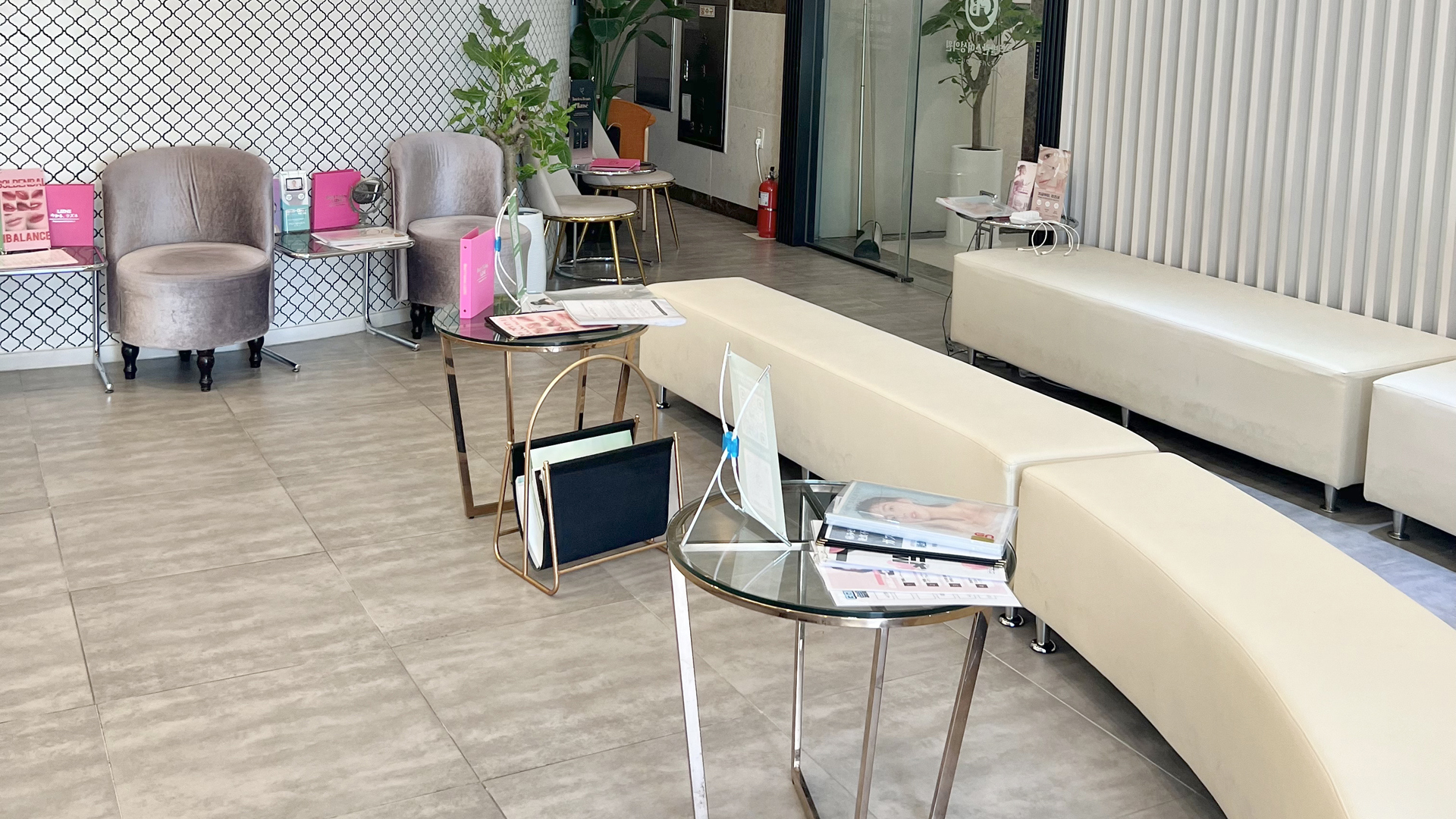
Vaginoplasty is carried out at the clinic in Gangnam-gu, Seoul, and the operation is planned from an examination rather than agreed in advance. A gallery of images recorded before and after procedures is kept on the clinic's website.
Contact Golden Balance Clinic through the clinic contact page, by phone on +82-2-516-7148, or by email at info@goldenbalanceclinic.com.
Disclaimer
For informational purposes only. Individual results may vary depending on each patient's medical history, physical condition, anatomy, treatment plan, and recovery. The suitability of gynecological, aesthetic, dermatological, injectable, and other medical procedures should be determined through an individual consultation with a qualified medical professional. All treatments may involve potential risks, side effects, and recovery requirements, which should be discussed before treatment. Information provided by Golden Balance Clinic does not replace professional medical advice, diagnosis, or treatment. Results may vary and individual experiences may differ.
Sources & Further Reading
NHS England — interim clinical commissioning policy defining vaginoplasty, distinguishing non-reconstructive vaginoplasty or "vaginal rejuvenation" from reconstructive indications, and setting out the recognised reconstructive criteria.
Aesthetic Surgery Journal — letter from obstetrician-gynecologists in female pelvic medicine and reconstructive surgery on the long history of these operations in prolapse treatment, standardised IUGA and ICS terminology, the frequency of concurrent prolapse in patients reporting laxity, the absence of evidence for improved orgasmic response, and reported rates of painful intercourse after perineoplasty.
Royal Australian College of General Practitioners — guideline appendix reproducing the positions of the RCOG, the SOGC and RANZCOG on counselling, normal anatomical variation, age, advertising and the risks that must be discussed.
National Center for Biotechnology Information — StatPearls review of obstetric perineal lacerations: the frequency of perineal trauma after vaginal delivery, the classification of obstetric anal sphincter injuries, and their long-term consequences.
Other Services
Explore additional treatments offered by our specialists.
Eyebrow Semi-Permanent Makeup
Eyebrow semi-permanent makeup is a cosmetic tattooing procedure that deposits pigment into the skin to enhance eyebrow shape, definition, and color.
Learn More
Facial Contour Micropigmentation
Facial contour micropigmentation refers to depositing pigment into the skin to create or enhance selected facial features.
Learn More
Eyeliner & Eye Enhancement PMU
Eyeliner PMU is a cosmetic tattooing procedure that deposits pigment into the skin around the eyelids to create a longer-lasting eyeliner effect.
Learn More